Korean Grilled Soy-Doenjang Pork
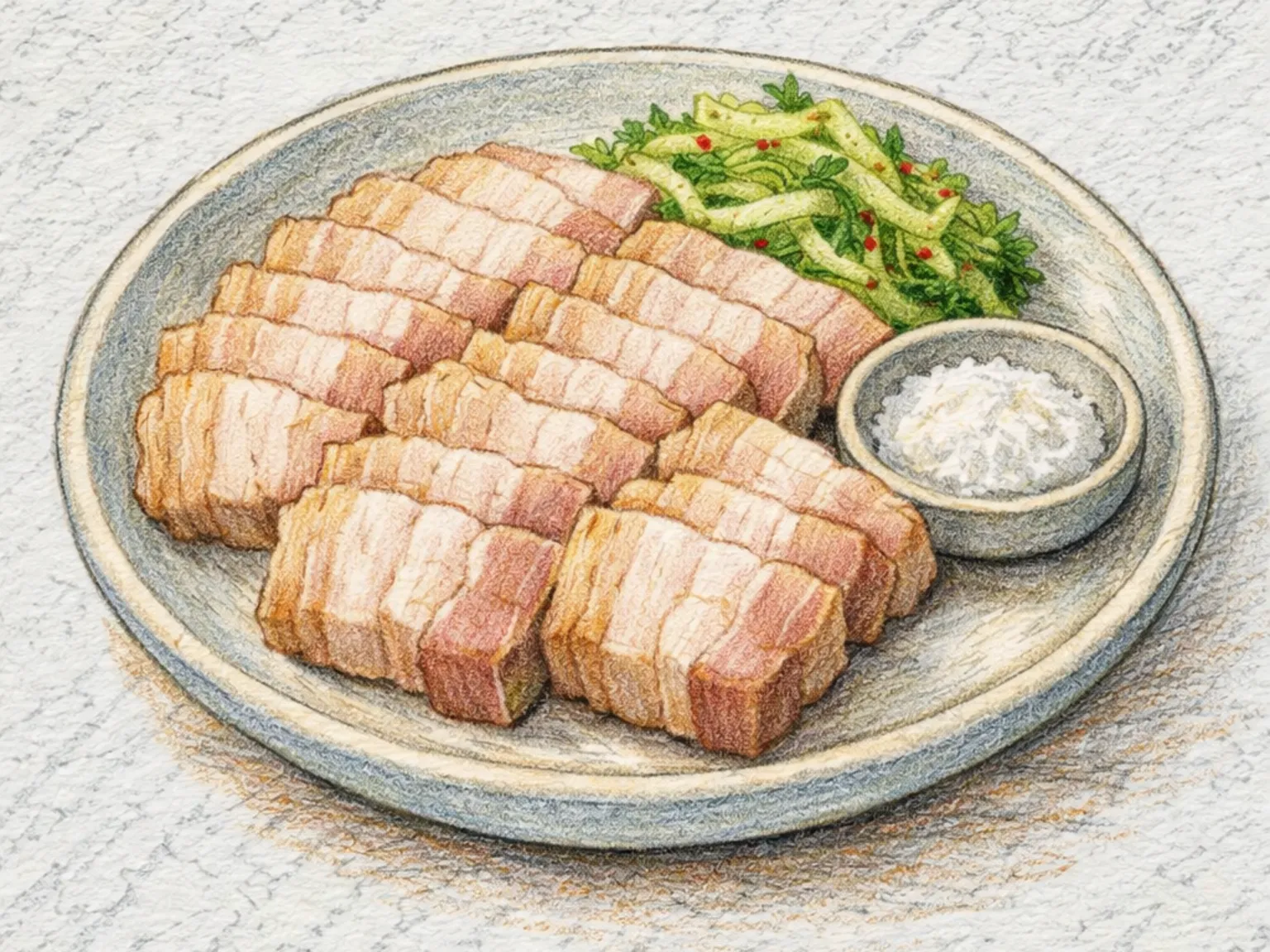
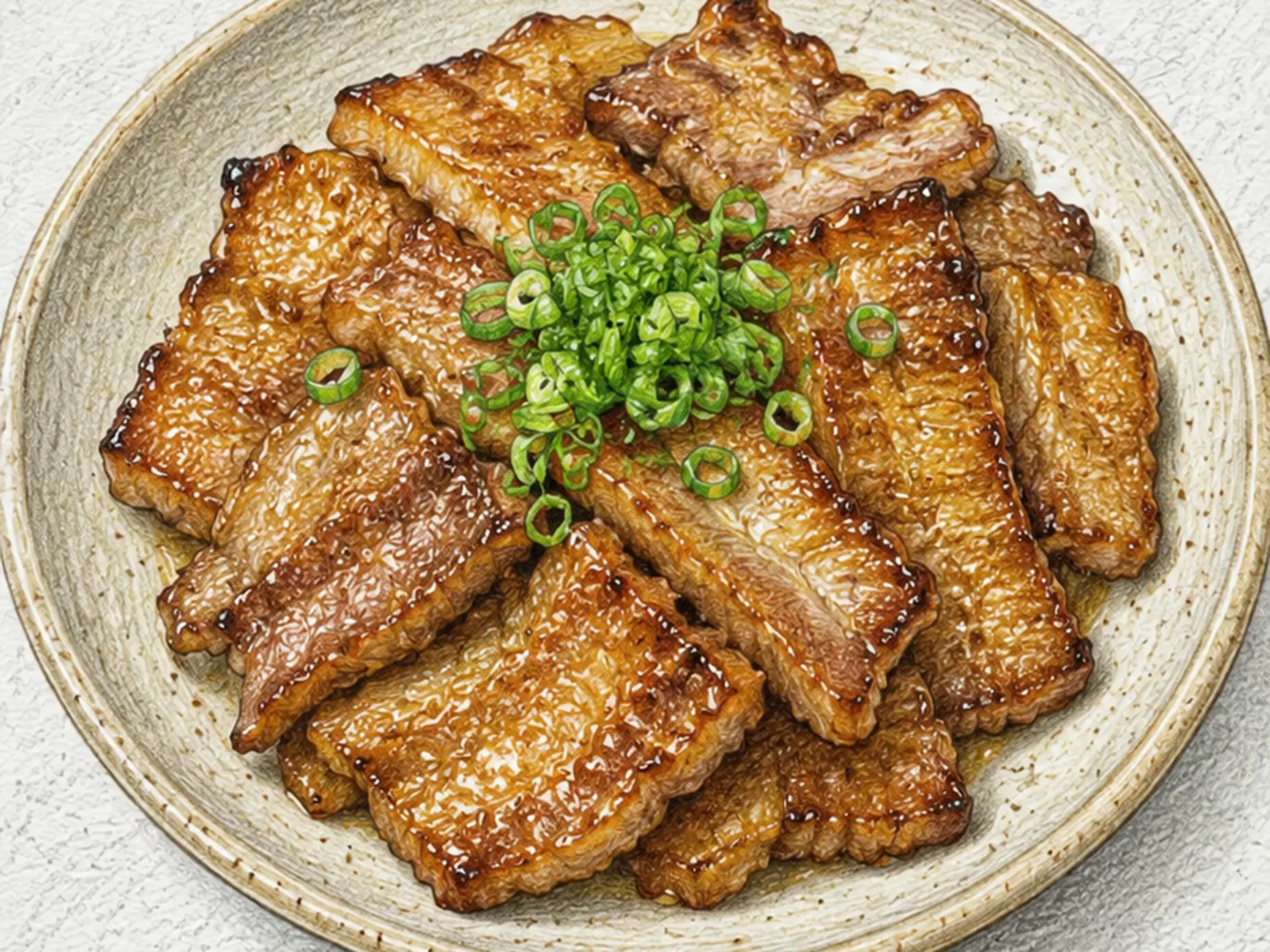
Maekjeok-gui is a traditional Korean grilled pork dish that is traced back to the Goguryeo period, prepared by marinating thick-cut pork neck in a paste of doenjang, soy sauce, rice syrup, minced garlic, ginger powder, sesame oil, and black pepper before grilling. Unlike most contemporary Korean marinades, which center on gochujang or sugar, maekjeok uses doenjang as its primary seasoning, which means the dominant flavor is a deep, fermented umami rather than sweetness or heat. The soybean paste bonds with the abundant intramuscular fat in pork neck during grilling, producing an intense savory quality that develops layer by layer over the heat, while the viscous rice syrup reduces into a shiny lacquer-like glaze on the surface. Shallow scoring on both faces of each thick pork slice allows the marinade to penetrate beyond the surface and reach the interior, and at least thirty minutes of marinating time is recommended for this effect. Doenjang scorches significantly faster than sugar, so the correct technique is to sear both sides first and then apply any final glaze only after reducing the heat or briefly pulling the meat from direct flame, which preserves the gloss without introducing bitterness. After removing from the grill, letting the meat rest for two minutes under a scattering of sliced green onion allows the juices to redistribute, so the pork stays moist and does not run when cut.

Korean Napa Cabbage Doenjang Soup
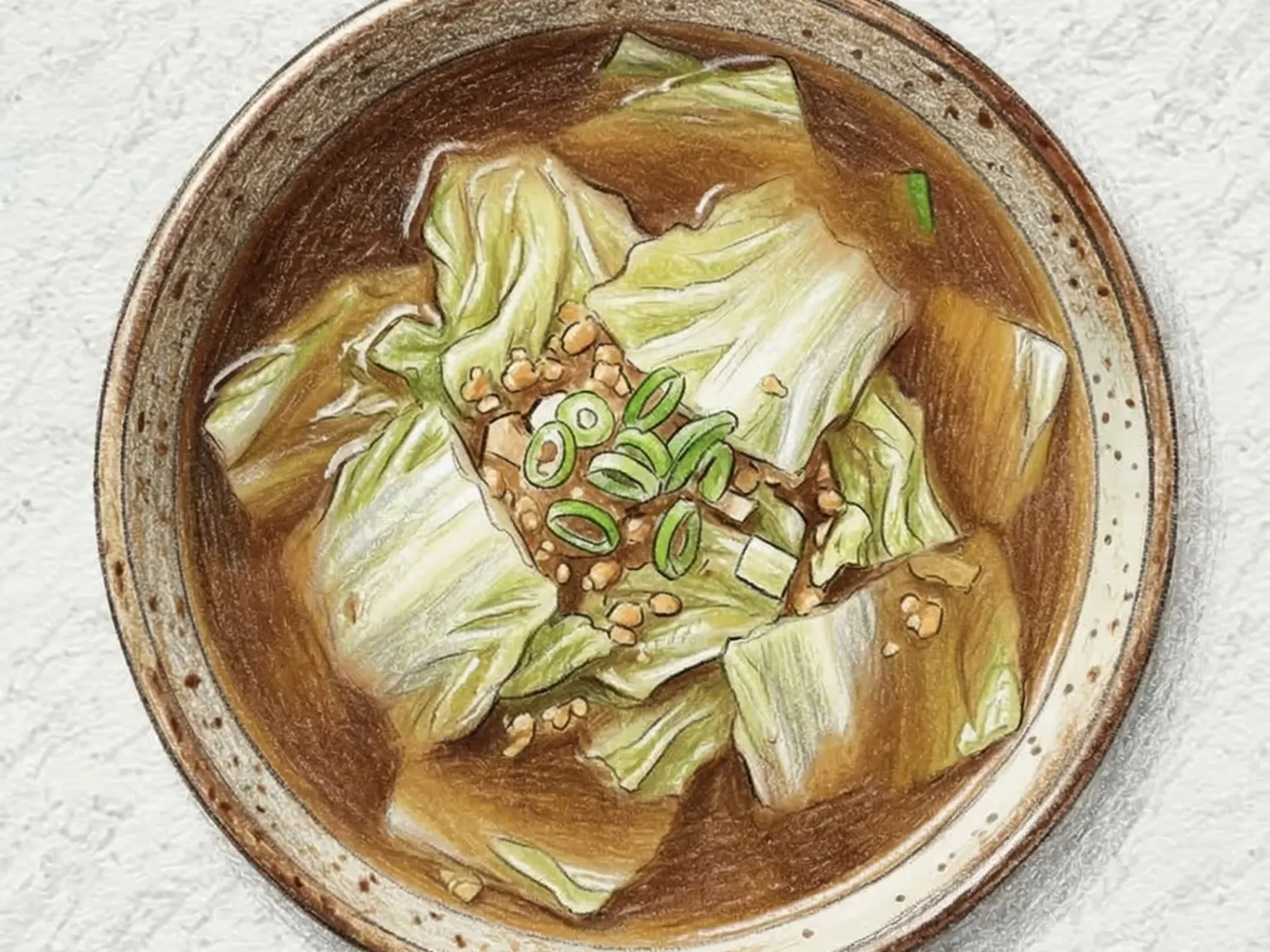
Baechu doenjang guk is a foundational Korean soup built on anchovy-kelp stock seasoned with fermented soybean paste and napa cabbage. Straining the doenjang through a fine sieve as it dissolves into the hot stock keeps the broth visually clear while extracting the full depth of its fermented, earthy flavor. The cabbage stalks go into the pot first and simmer for five minutes alone, drawing out their inherent sweetness before the leaf sections and cubed tofu are added. A small spoonful of gochujang introduced at this point gives the broth a gentle heat and a reddish cast that adds both visual contrast and flavor complexity beyond doenjang alone. Sliced cheongyang chili and scallion are stirred in during the final two minutes, contributing sharpness and aroma without turning limp. Doenjang saltiness varies significantly between brands and aged batches, so starting with a conservative amount and adjusting by taste prevents over-salting. As the cabbage softens fully, its natural sweetness seeps gradually into the broth, where it finds a natural balance with the deep fermented character of the paste. It is among the most accessible soups in Korean home cooking, requiring only the most common pantry and refrigerator ingredients.

Korean Bellflower Root Tofu Stew
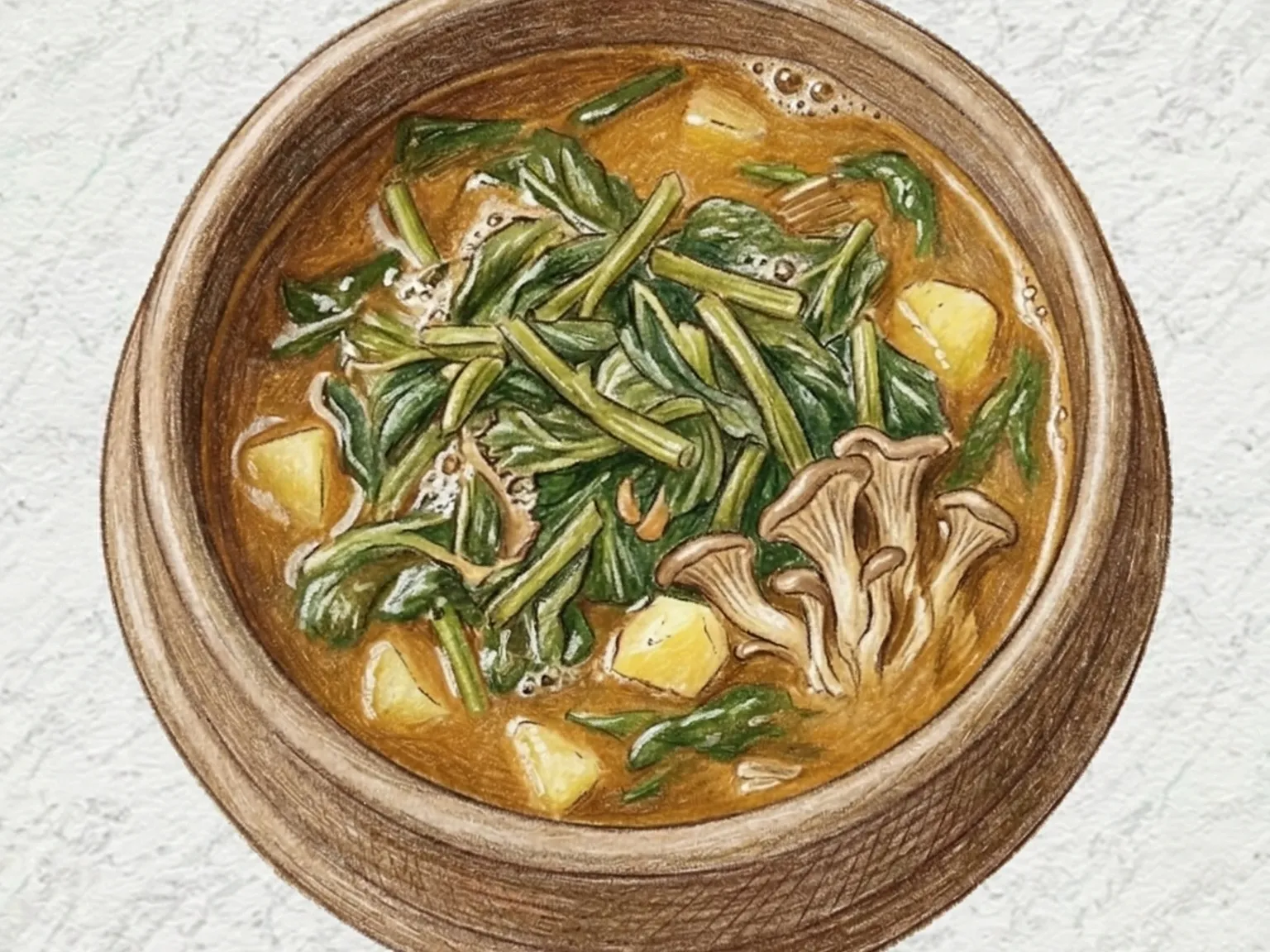
Deodeok dubu jjigae is a Korean stew that simmers bellflower root and soft tofu in a broth made from rice-rinse water. Gochujang and doenjang are dissolved together to build a base that is simultaneously spicy and deeply savory. Bellflower root contributes a signature bitter-herbal fragrance and firm bite that sets the soup apart from standard tofu jjigae. Rice-rinse water acts as a natural thickener and rounds off any residual bitterness from the root. The contrast between the chewy deodeok and the yielding tofu gives each spoonful an interesting texture. Before cooking, the bellflower root is traditionally pounded to open its fibrous grain, which allows the seasoning to penetrate more evenly.

Korean Kimchi Soy Milk Tantan Noodles
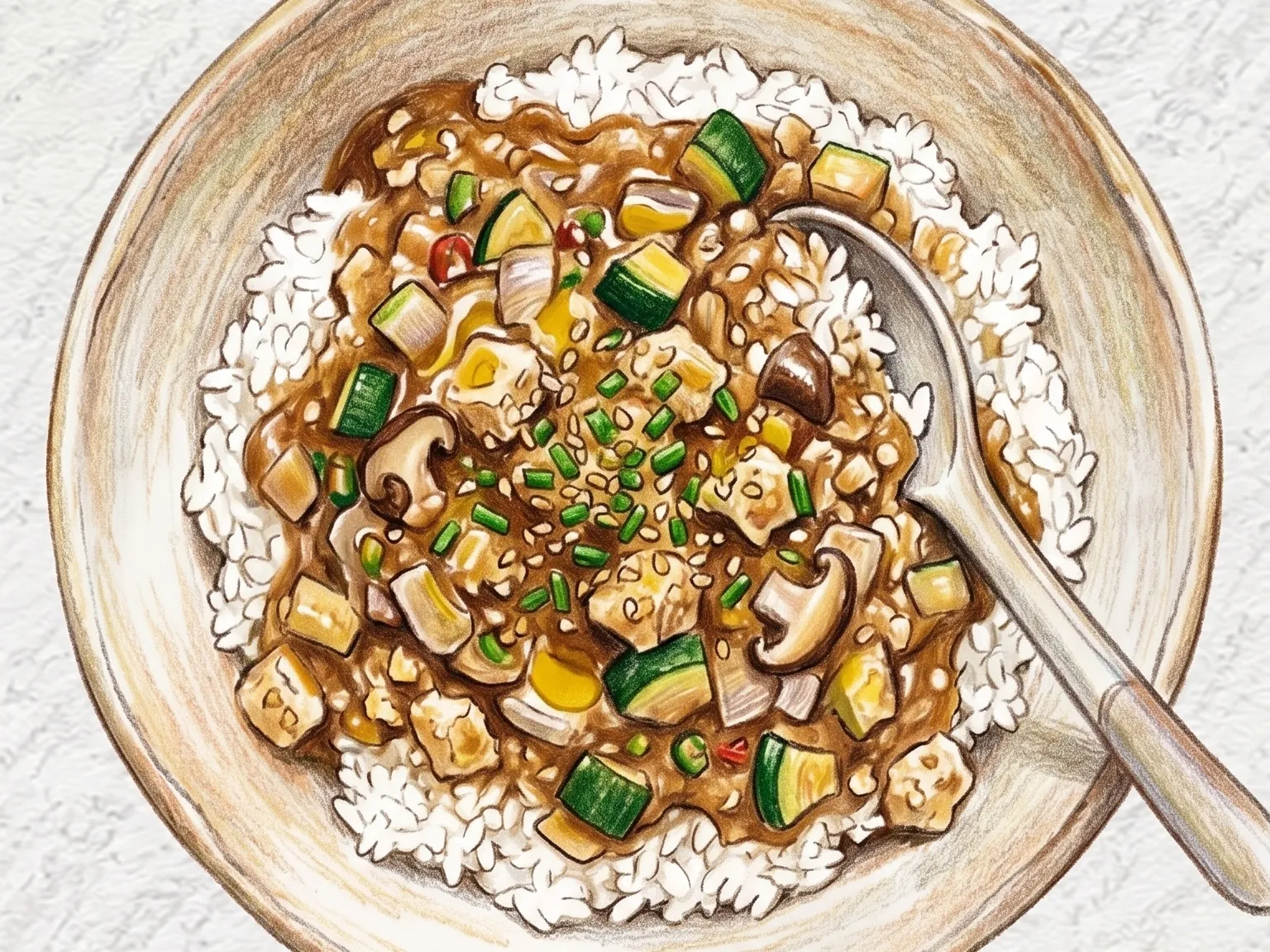
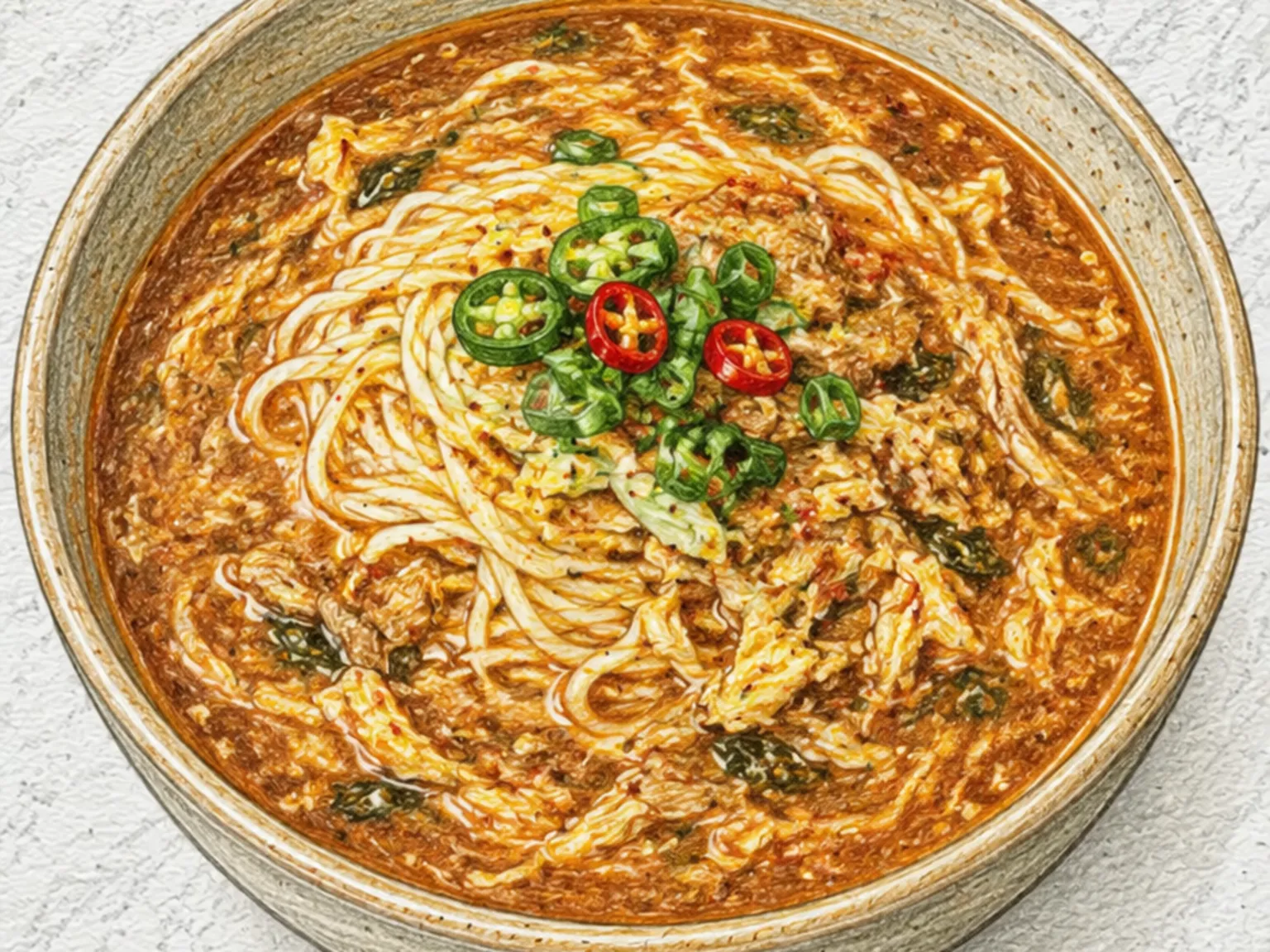
Kimchi duyu tantan myeon takes the structural logic of Chinese dandan noodles and rebuilds it around Korean pantry ingredients. Garlic and green onion are stir-fried in chili oil first to infuse the fat with fragrance, then ground pork goes in along with doenjang and soy sauce and stays on the heat until it browns and the fermented paste base deepens. Finely chopped kimchi is added and cooked for two more minutes, which softens the raw acidity of the kimchi and melds it into the meat mixture. Unsweetened soy milk is poured in at that point and heated gently, just below a boil, so it blends into a smooth, lightly creamy broth without breaking. The noodles are boiled separately and placed in the bowl before the broth is ladled over. Ground peanuts sprinkled on top at the end contribute a nutty finish, and the amount can be adjusted to thicken the broth to a preferred consistency.

Korean Chwinamul with Doenjang
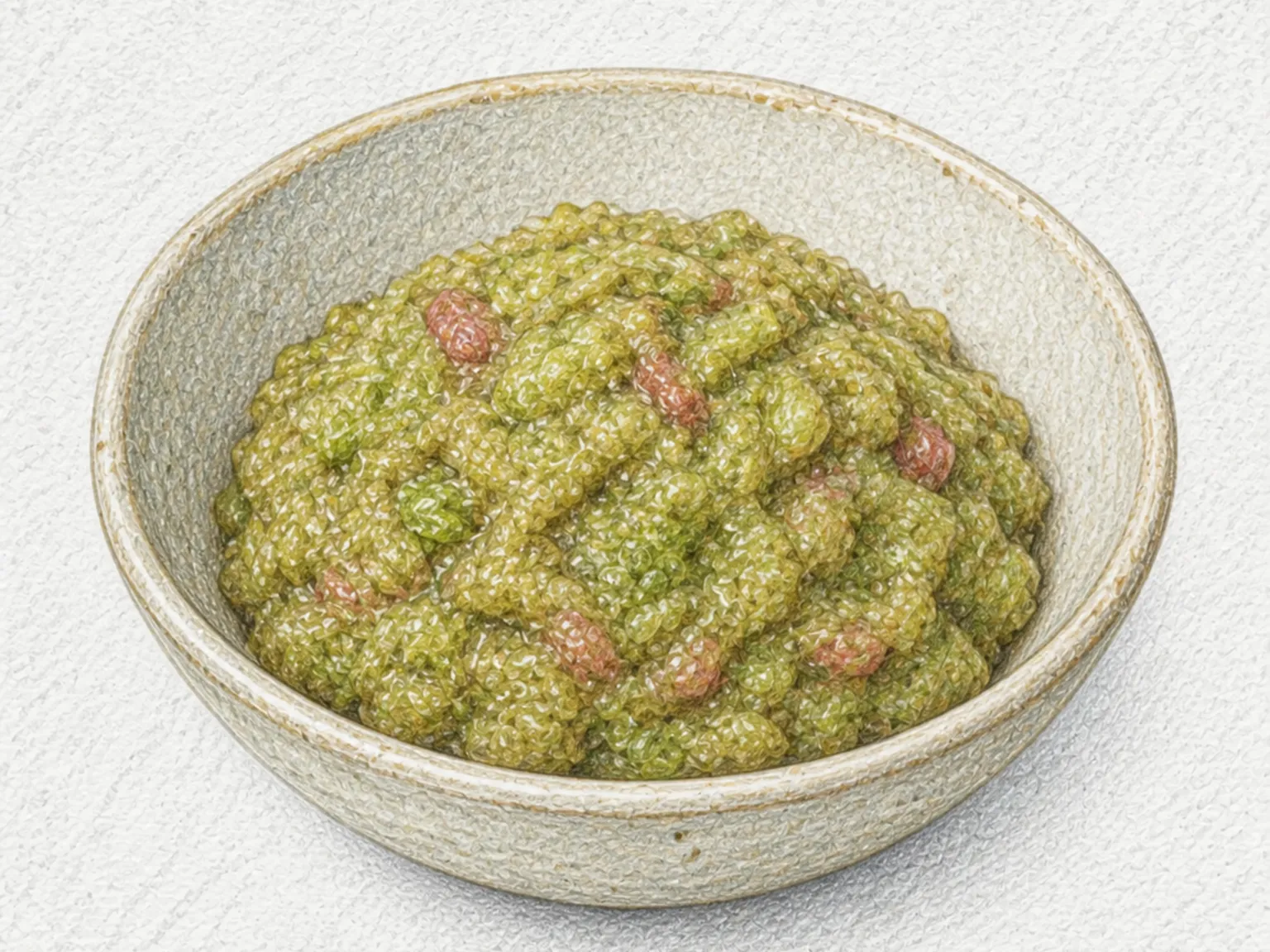
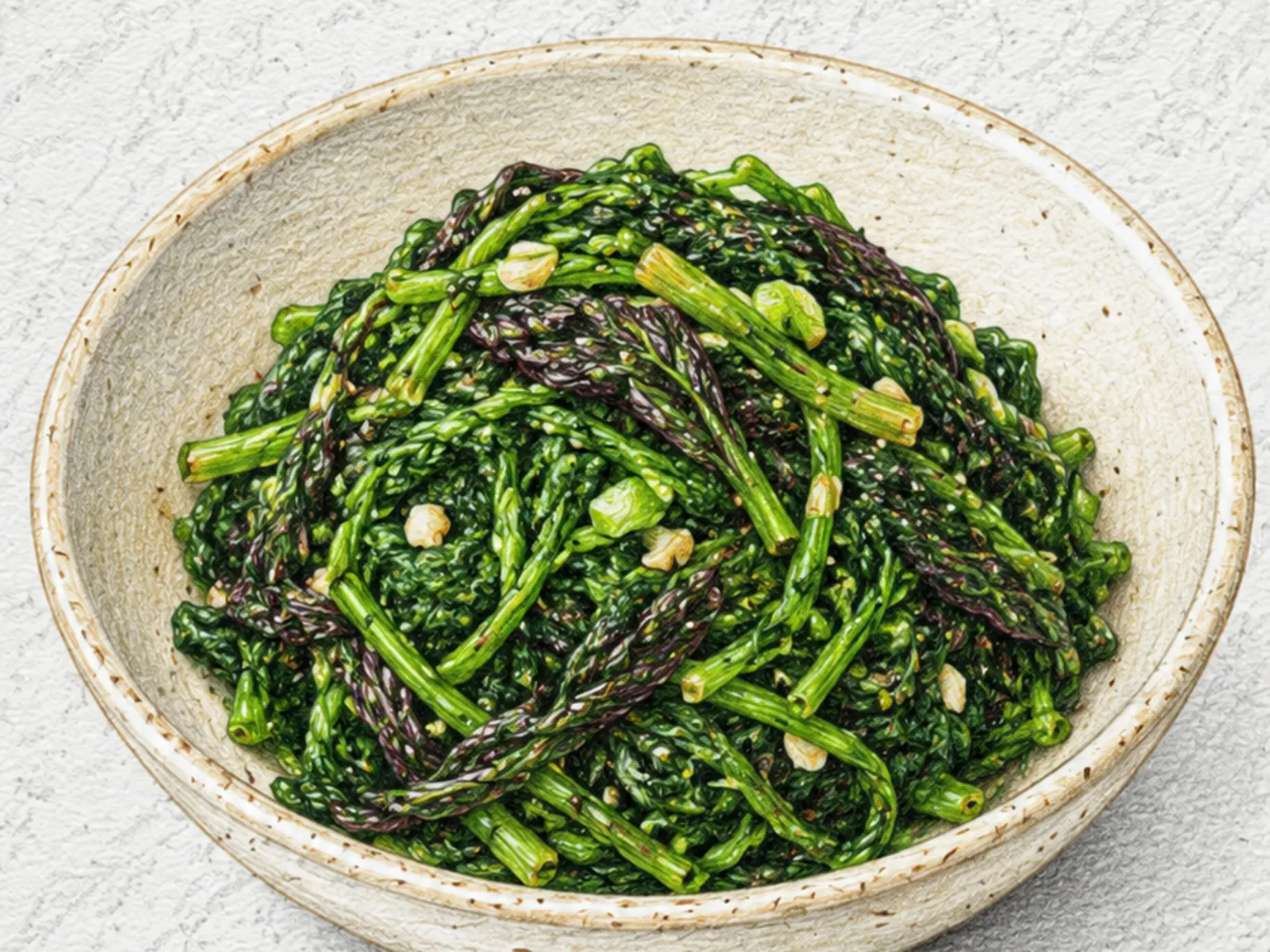
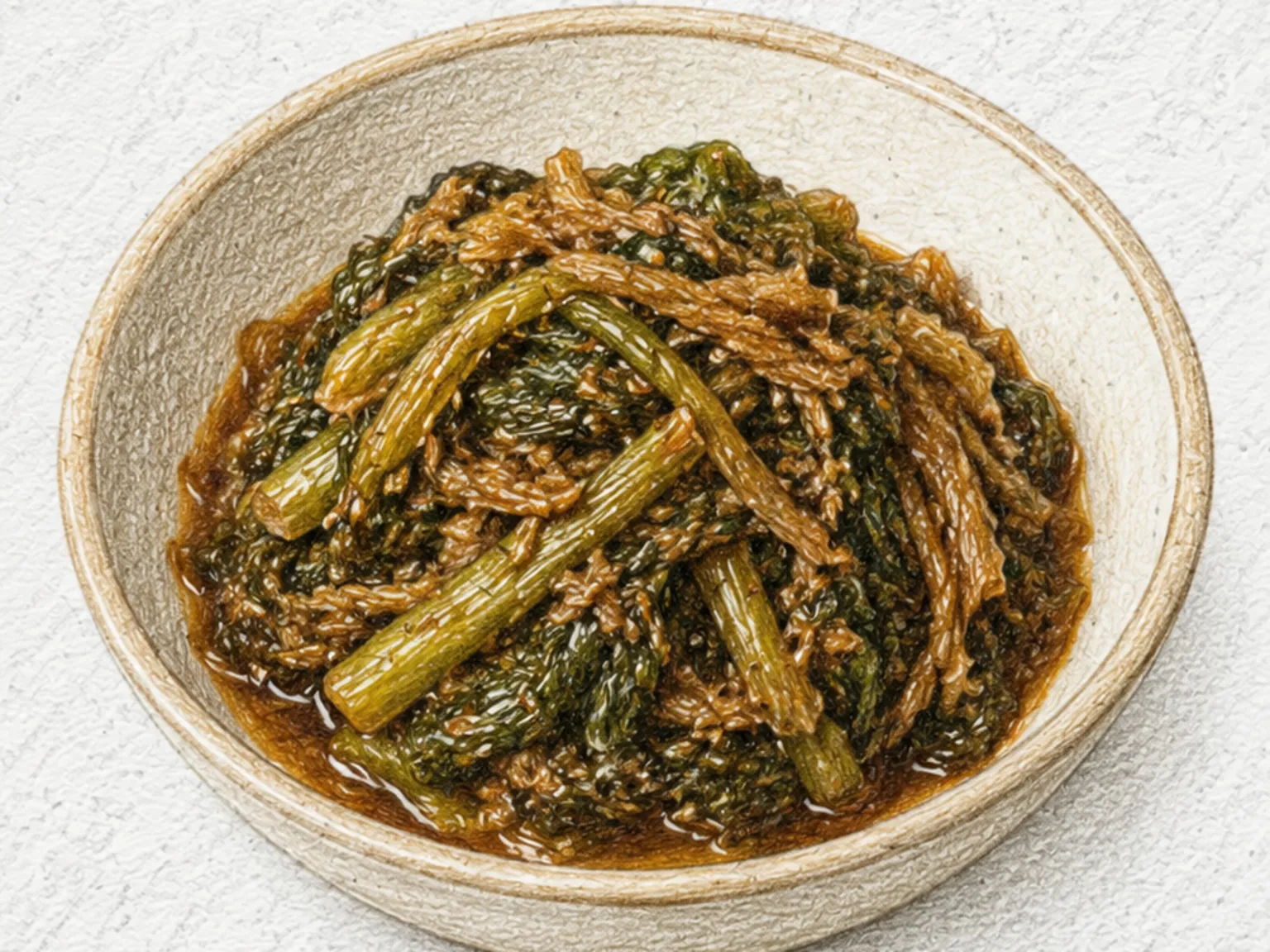
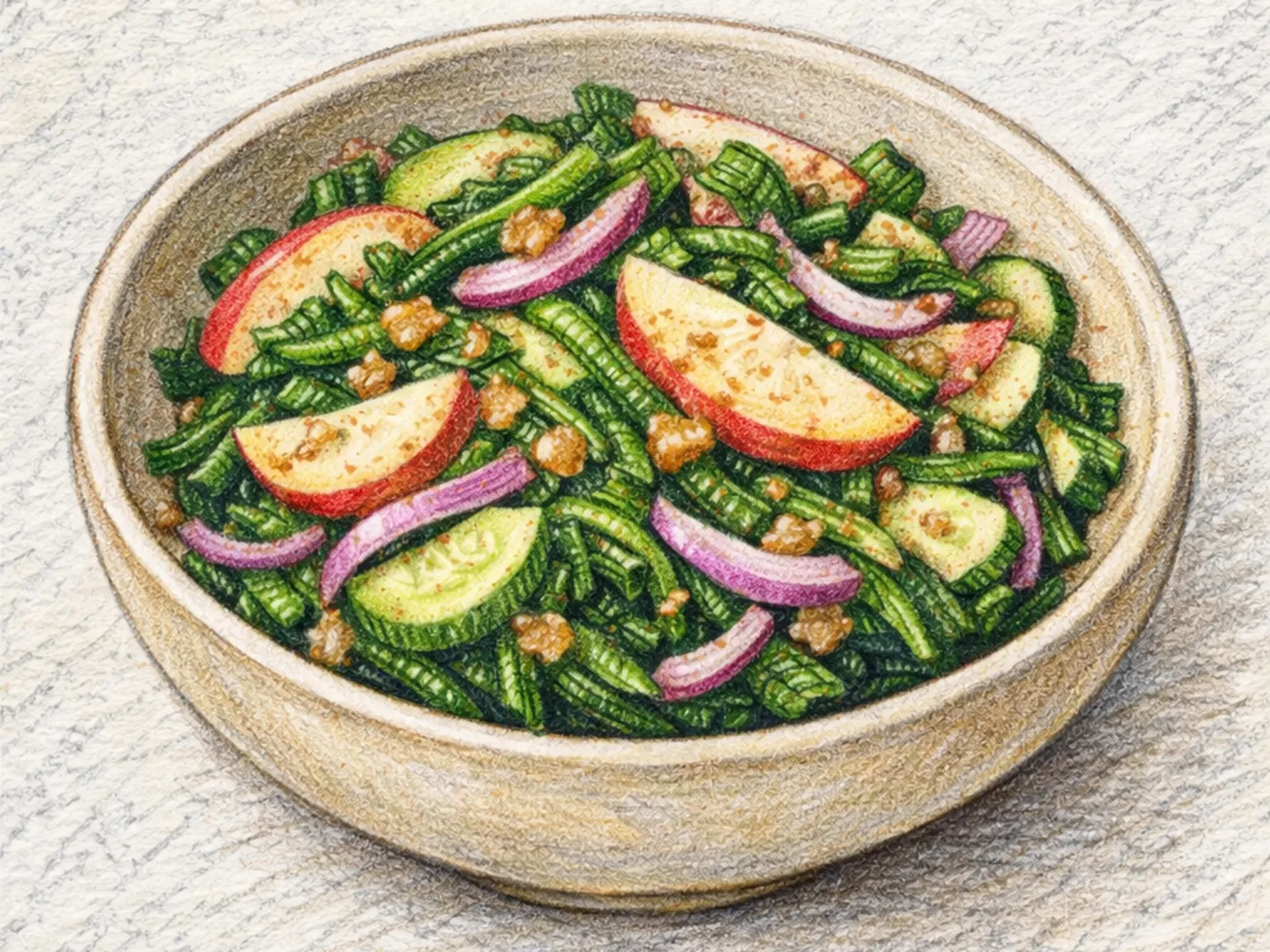
This banchan brings together chwinamul, a foraged spring green with a pronounced bitter edge, and doenjang, Korea's pungent fermented soybean paste, producing a side dish where two assertive flavors push against each other and settle into something deeper than either alone. The greens are blanched for two minutes, squeezed firmly to remove excess water, and cut to an even length before seasoning. Doenjang, soup soy sauce, minced garlic, sesame oil, and perilla powder are added and worked in by hand, pressing the thick paste into the porous leaf tissue so that the salty, fermented depth clings to every strand and the seasoning does not slide off during plating. The natural bitterness of the chwinamul does not disappear under the doenjang but transforms instead, losing its sharpness and becoming layered and rounded. Letting the dressed greens rest for five minutes before serving allows the seasoning to penetrate fully, which sharpens and deepens the overall flavor in a way that is noticeable even from the first resting period. In winter months, dried chwinamul soaked overnight in cold water is used instead of fresh; the texture is softer and less fibrous but the compatibility with doenjang holds completely.

Korean Pork & Crown Daisy Stir-fry
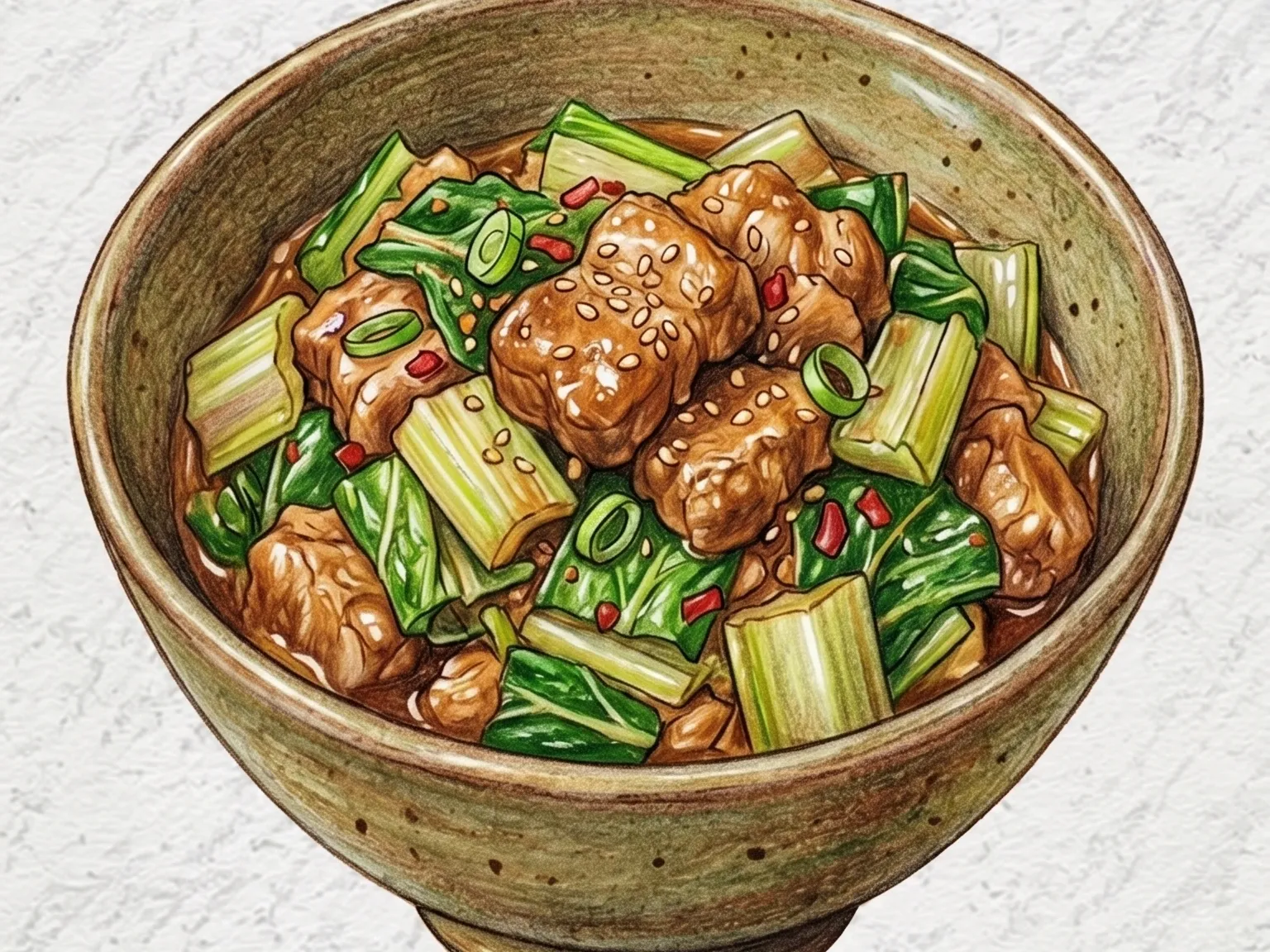
Ssukgat-dwaeji-doenjang-bokkeum is a Korean stir-fry of pork shoulder marinated in doenjang (fermented soybean paste) and gochujang, cooked with onion and scallion before crown daisy is tossed in at the end. The doenjang penetrates the pork during marination, producing a deep, salty fermented savoriness once seared. Crown daisy is added briefly to keep its herbal fragrance and gentle bitterness intact, which cuts through the richness of the pork fat. The contrast between the heavy, umami-laden meat and the bright green aromatics keeps each bite balanced.

Korean Ureok Doenjang Gui (Doenjang Grilled Rockfish)
Rockfish fillets are patted dry, pin-boned, and brushed thinly with a paste of doenjang, gochujang, minced garlic, cooking wine, honey, and sesame oil before resting in the refrigerator for fifteen minutes. Cooking begins skin-side down for four minutes, then the fillet is flipped for three minutes, and a second thin coat of paste is applied for two final minutes. The key is thin, repeated applications - a thick layer burns before the fish is done. Rockfish's mild white flesh absorbs the complex, fermented savoriness of the doenjang-gochujang blend, producing a depth of flavor that plain grilled fish cannot match.

Korean Clam Doenjang Soup
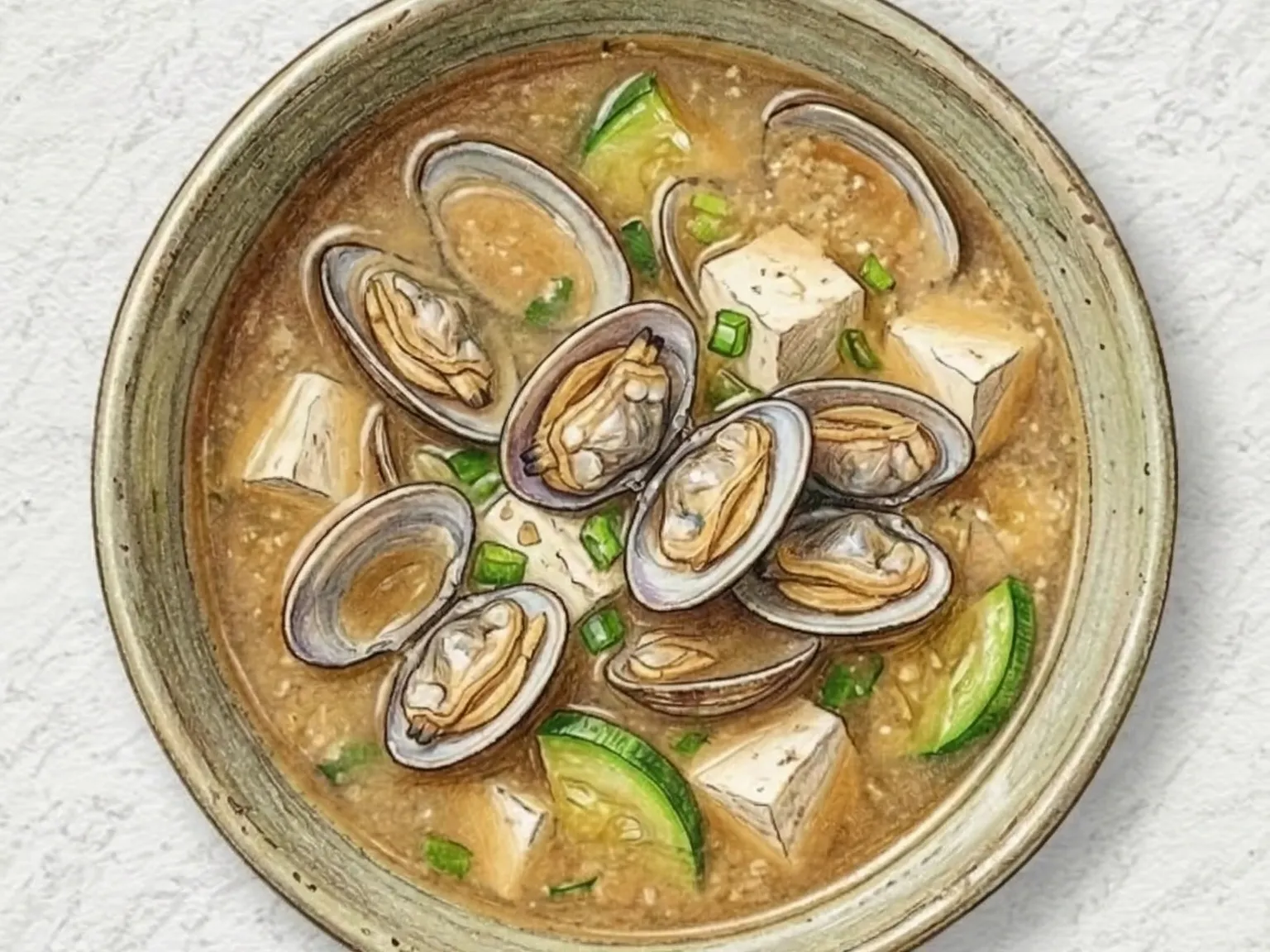
Bajirak doenjang guk is a Korean home-style soup that brings together manila clams and doenjang to layer oceanic umami with fermented soybean depth in a single, clean broth. Starting the clams in cold water and bringing everything slowly to a boil draws flavor from the shells gradually rather than shocking them, building a stock base that grows richer as the temperature rises. The doenjang must be dissolved through a strainer rather than stirred in directly, because undissolved paste left in the soup creates a grainy texture and uneven seasoning. Since clams carry their own salt, the quantity of doenjang should be noticeably less than usual to prevent the finished soup from becoming over-salted; seasoning should always be adjusted at the end after tasting. Soft tofu cut into cubes adds a gentle, yielding protein bite, and Korean zucchini releases a quiet sweetness into the broth as it cooks through, softening the overall profile. Minced garlic introduced mid-cooking harmonizes with the fermented aroma of the doenjang without overpowering it. Scallion added in the final minute preserves its fresh, sharp note rather than turning limp and faded. No anchovy stock, no dried kelp, and no dashi of any kind is needed here, because the clams alone provide enough umami to build genuine depth. That restraint is what defines the soup: when the ingredients are kept simple, the natural sweetness and marine character of good clams come through cleanly, producing a broth that tastes more substantial than its short ingredient list suggests.

Korean Perilla Radish Greens Shrimp Stew
Deulkkae mucheong saeu jjigae is a hearty stew made with radish greens, medium shrimp, and four tablespoons of perilla seed powder stirred into an anchovy-kelp stock base. Radish greens rather than dried sigeumchi give the stew a tender but substantive chew, and they absorb the savory broth well during cooking. Doenjang and soup soy sauce season the stock without overpowering the perilla, which contributes a deep, earthy nuttiness that defines the broth's character. As the shrimp cook, they release a clean briny sweetness that adds another layer of savory depth. Blanching and rinsing the radish greens before adding them removes any bitter edge and keeps the broth clear. The result is a sturdy, old-fashioned home-style stew with a well-rounded, deeply satisfying flavor.

Korean Shepherd's Purse Soybean Paste Noodles
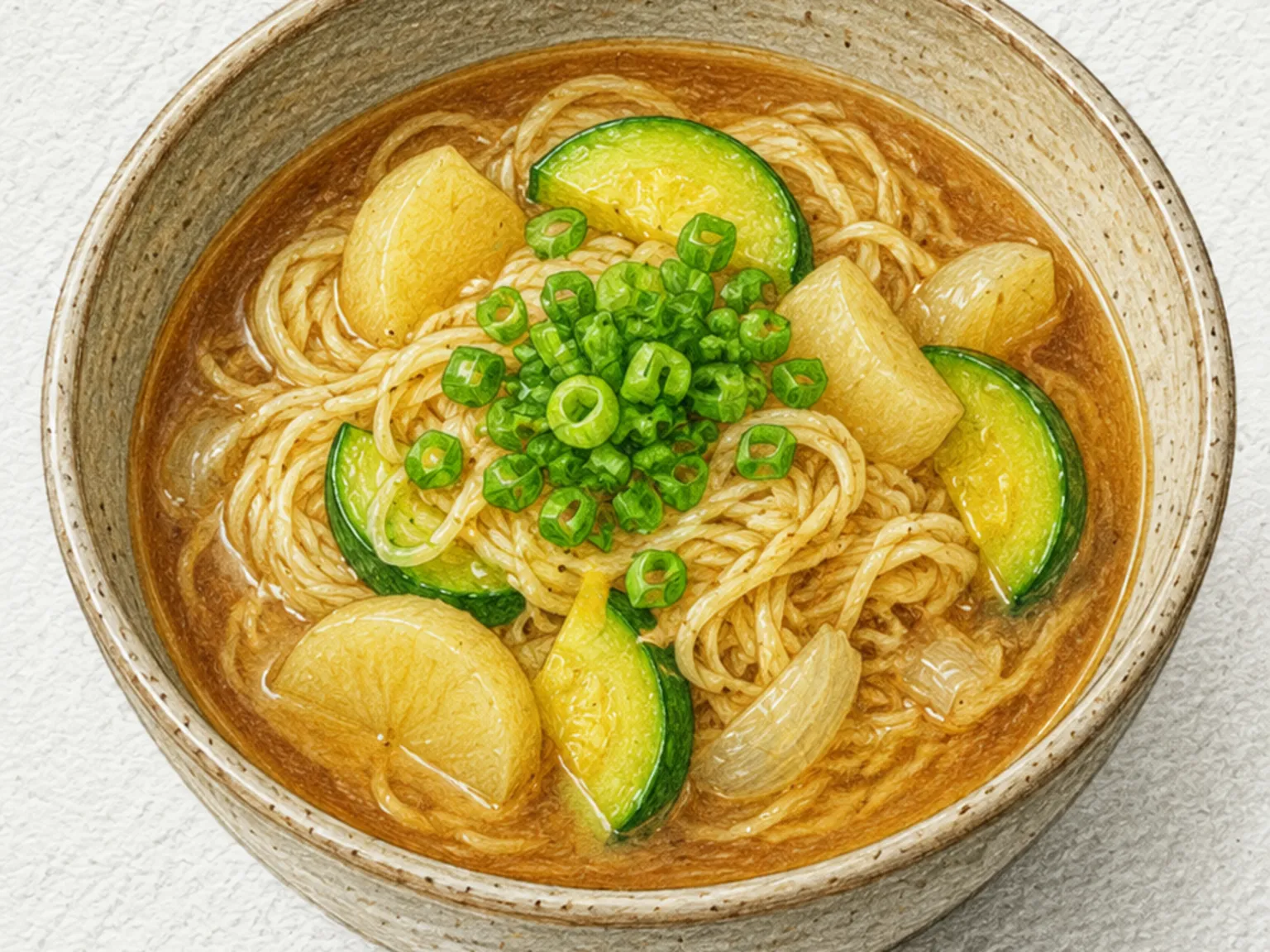
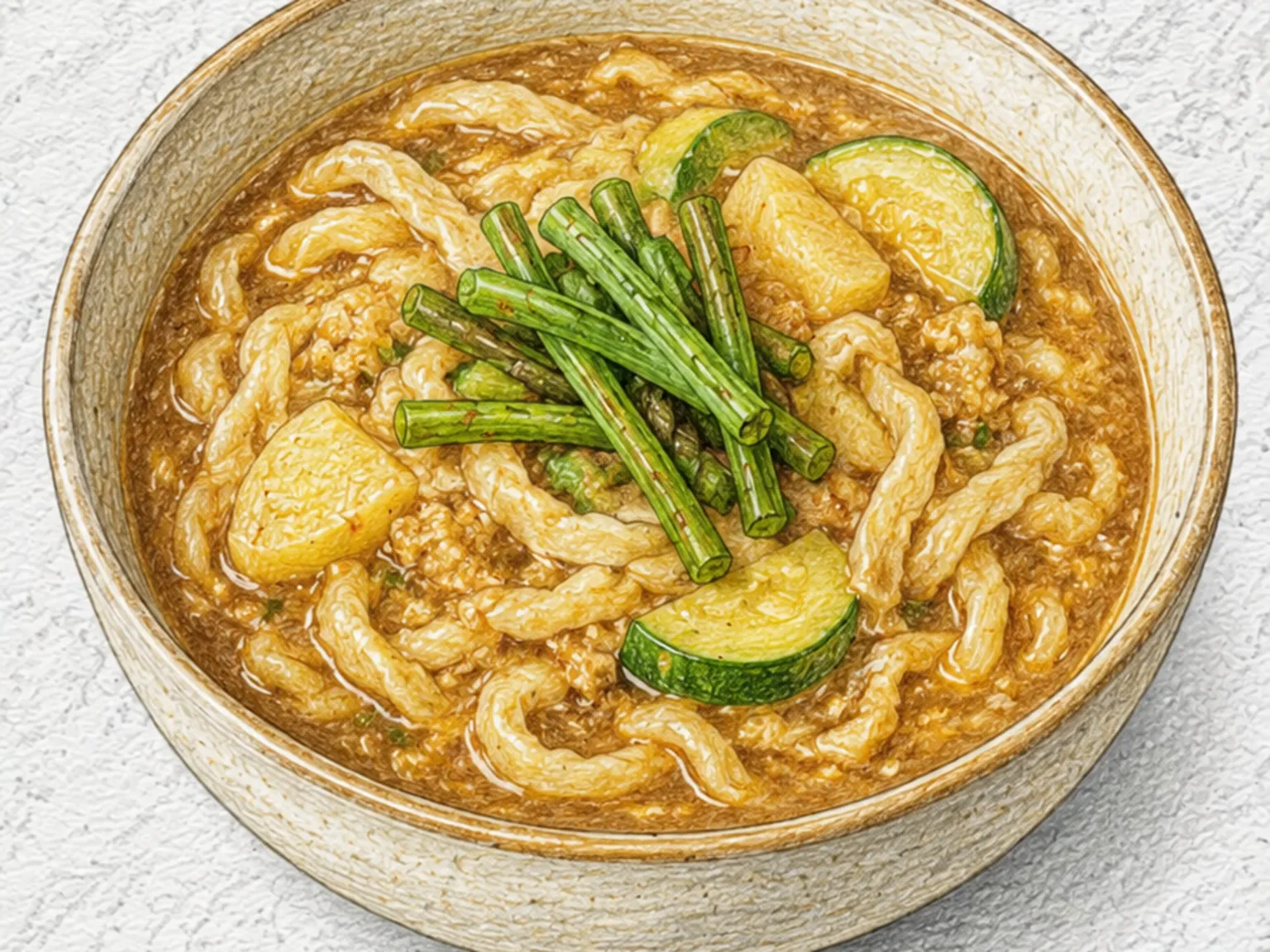
Naengi doenjang kalguksu is a Korean knife-cut noodle soup simmered in anchovy-kelp stock with doenjang and fresh shepherd's purse, a springtime herb prized for its earthy, peppery fragrance. Dissolving the doenjang through a fine strainer keeps the broth smooth and clear rather than cloudy. Soup soy sauce and minced garlic fine-tune the seasoning so the fermented soybean flavor stays rich without becoming overly salty. The noodles cook for four minutes before zucchini and onion are added for two more, allowing their gentle sweetness to dissolve into the broth. Shepherd's purse must go in only during the final minute with reduced heat, because its volatile aromatic compounds dissipate quickly at a rolling boil and the distinctive spring fragrance would be lost. Adjusting salt with soup soy sauce at the end compensates for the varying saltiness across different doenjang brands. The herb's aroma is most concentrated from mid-March to early April, making that narrow window the best time to prepare this soup for the fullest seasonal flavor.

Korean Blanched Young Napa with Doenjang
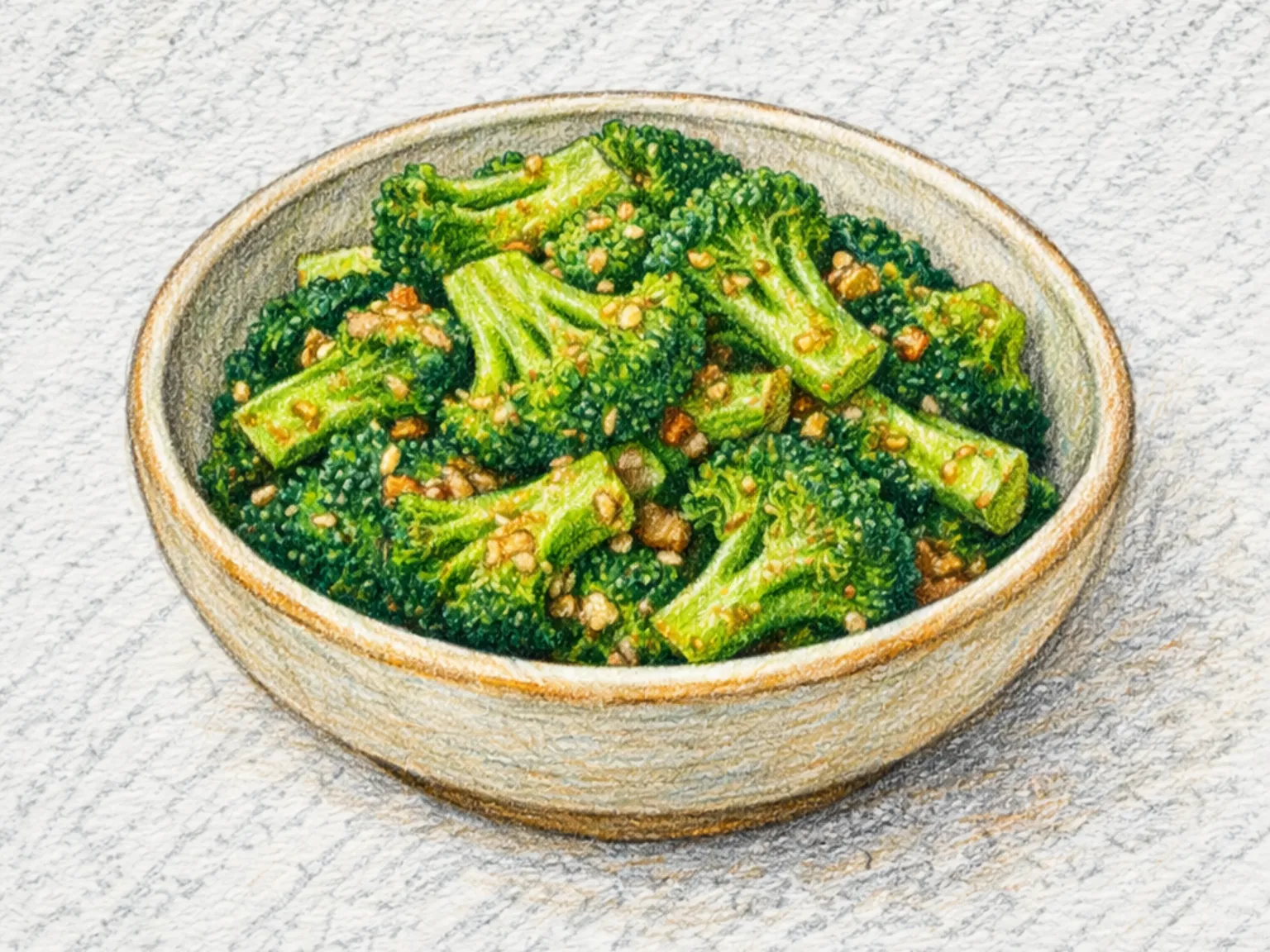
Eolgari is young napa cabbage cut before the head has formed a tight ball, leaving it with thinner leaves and more tender ribs than fully mature baechu. A quick blanch of about one minute wilts the leaf while the pale ribs retain a gentle crunch that holds even after seasoning. After blanching, the cabbage is squeezed firmly to remove water, then dressed with doenjang, soup soy sauce, minced garlic, and sesame oil. The fermented paste penetrates the tender leaves quickly, spreading a salty, earthy coating evenly through each piece. The flavor profile is mild and round with no sharp edges, making it one of the most approachable doenjang-based namul dishes for people who are new to Korean fermented seasonings. The dish comes from the Korean countryside tradition of turning whatever young greens were growing between major kimchi-making seasons into simple dressed vegetables. Eolgari is a seasonal green, available at Korean markets from late spring through early autumn.

Korean Grilled Doenjang Onions
Onions are sliced into 2 cm rings, secured with skewers, and grilled over medium heat while being brushed with a sauce of doenjang, gochujang, minced garlic, perilla oil, and water. Over eight to ten minutes of flipping and re-brushing, the onion's moisture evaporates and its natural sugars concentrate into pronounced sweetness, while the doenjang chars lightly at the edges to add a toasted, earthy note. Perilla oil softens the salt intensity of the doenjang, and a finish of sliced green chili and ground sesame layers in mild heat and nuttiness. At 146 calories per serving, this is a low-calorie side dish that also works as a light accompaniment to drinks.

Korean Spring Cabbage Soybean Paste Soup
Bomdong doenjang-guk is a seasonal Korean home soup made by simmering spring cabbage and doenjang in rice-rinsing water, which adds a subtle starchy body to the broth and softens the saltiness of the paste. The thicker cabbage stems go in first to soften properly while retaining some bite, and the tender leaves are added at the end to hold their natural sweetness and color. Tofu, a pinch of red chili flakes, and green onion round out the bowl with depth and mild heat. A drop of sesame oil just before serving adds a nutty finishing aroma. Spring cabbage has a high water content and turns mushy quickly, so the leaves should be added less than two minutes before turning off the heat.

Korean Soybean Paste Stew
Doenjang jjigae is one of the most iconic stews in Korean home cooking. Fermented soybean paste is dissolved into a simple broth and simmered with tofu, potato, zucchini, and onion until everything comes together. Garlic adds aromatic warmth, and a Cheongyang chili sharpens the earthy base with a clean kick. The vegetables and tofu absorb the salty, savory broth as they cook, deepening the overall flavor. This is the everyday stew that anchors a Korean meal, pairing effortlessly with rice and any combination of banchan.

Korean Dried Radish Greens Doenjang Kalguksu
This noodle soup features dried radish greens and soybean paste in a base of anchovy and kelp stock. The fermented soybean paste provides a savory foundation while the radish greens add an earthy bitterness. Adding onion and zucchini during the simmering process introduces a natural sweetness that balances the saltiness of the paste. A spoonful of perilla seed powder at the end gives the broth a toasted, nutty finish. Fresh kalguksu noodles thicken the soup as they cook, taking on a chewy yet soft texture. To ensure a clean taste and better texture, the radish greens are boiled, rinsed in cold water, and squeezed before being added to the pot. Toasting the dried anchovies in the pot before adding water removes any fishy scents from the stock. Since different types of soybean paste vary in saltiness, it helps to add the paste in small increments while tasting. Mixing in a small amount of cheonggukjang provides a stronger fermented character to the finished soup.

Korean Seasoned Swiss Chard Namul
Geundae namul muchim is a seasoned vegetable banchan made from Swiss chard, a leafy green that has been used in Korean doenjang soup and namul for generations. Because the stems are substantially thicker than the leaves, blanching them together results in overcooked leaves by the time the stems are ready, so they are handled separately: stems go into boiling water for thirty seconds first, then the leaves follow for another thirty. After blanching, squeezing the greens thoroughly by hand is important because excess moisture dilutes the seasoning and prevents it from clinging to the greens. The blanched chard is hand-dressed with doenjang, soup soy sauce, minced garlic, and perilla oil, working the paste into the greens so that the fermented paste's earthy, savory depth merges with chard's faintly bitter, mineral character in the way that defines traditional Korean namul. Perilla powder added last thickens the dressing into a coating that clings without adding liquid and contributes a layer of nutty, roasted fragrance. Chard's thicker, denser leaf structure holds up far better than spinach after dressing, which makes this namul a reliable make-ahead banchan that does not collapse or release water when left to sit.

Korean Freshwater Crab Spicy Soup
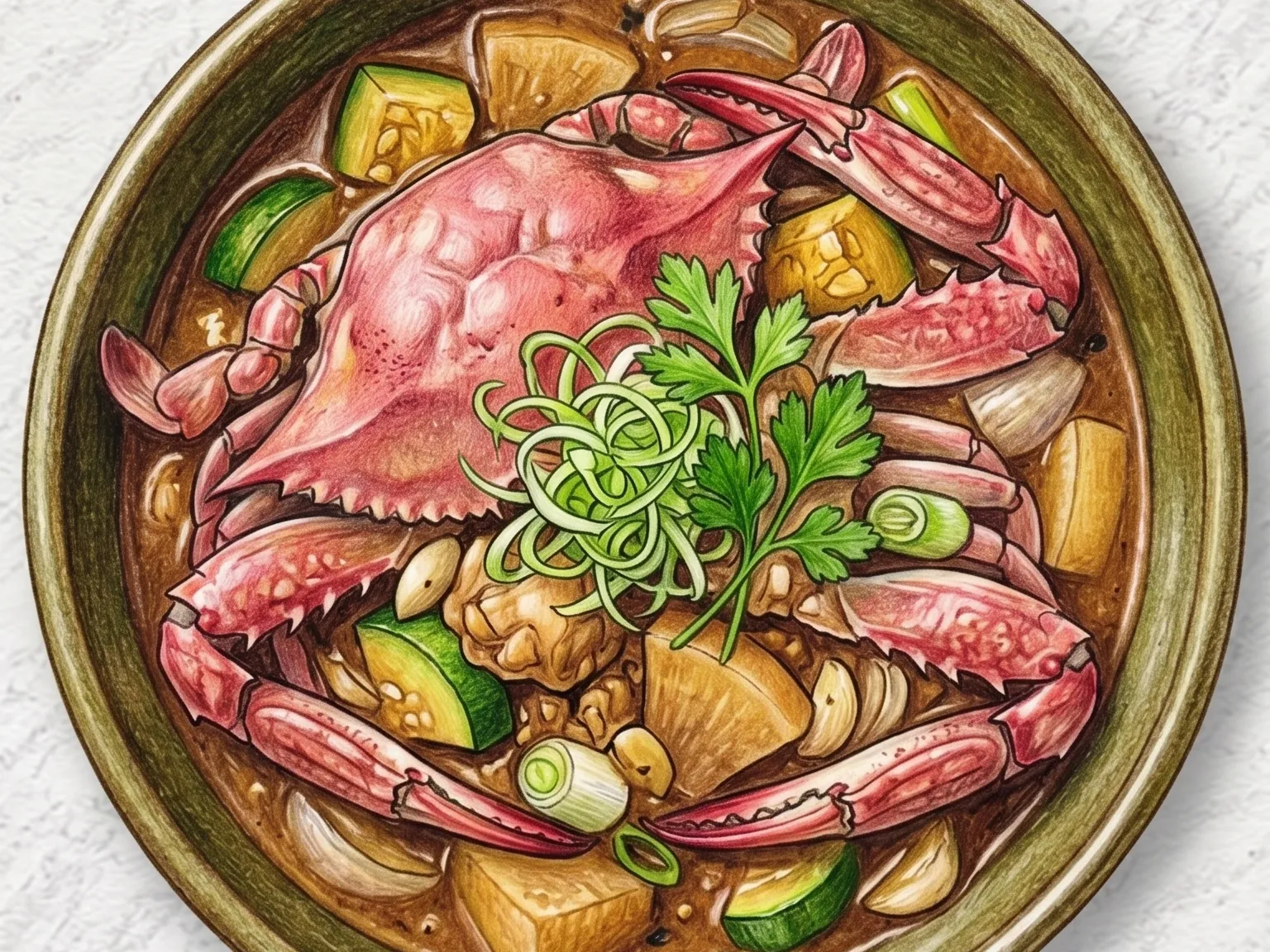
Freshwater crabs are halved, thoroughly cleaned, and simmered in a stock built from radish and doenjang that draws out their intense, briny umami over forty minutes of steady cooking. Gochugaru and cheongyang chili build up layers of fiery heat, while zucchini and radish contribute natural sweetness that tempers the spice. Pressing the soybean paste through a strainer before adding it keeps the broth smooth and clear rather than grainy, and the result is a bold, aromatic stew deeply rooted in Korean regional tradition.

Korean Frozen Pollack Stew
Dongtae jjigae is a spicy Korean stew built around whole frozen pollack, which separates into flaky, delicate pieces as it cooks through. Korean radish brings a clean, sweet undertone to the broth, while tofu and zucchini fill out each bowl with mild, soft contrasts to the fish. Gochugaru combined with a spoonful of doenjang creates a broth that is at once spicy, salty, and deeply savory rather than sharp in a single direction. Generous amounts of green onion and Cheongyang chili are added toward the end to cut through any fishiness and keep the heat clear and warming.

Japanese Dan Dan Ramen (Sesame Cream Broth with Spicy Pork)
Tantanmen is the Japanese adaptation of Sichuan dan dan noodles, served as a ramen with a thick sesame-cream broth. Ground pork is stir-fried with doubanjiang and spooned over the bowl along with chili oil. The sesame base gives the soup a dense, nutty body, while the chili oil adds a slow-building heat. Standard ramen noodles are used, paired with bok choy or scallions. Preparation takes about 45 minutes, with most of the effort going into building the sesame broth and seasoning the pork topping.

Korean Fernbrake Namul with Doenjang
This doenjang variation of gosari namul diverges from the standard soy-sauce-forward version by using fermented soybean paste as the primary seasoning, producing a banchan with noticeably more depth and a pronounced fermented character. Rehydrated and boiled bracken fern is first stir-fried in perilla oil to develop a light, nutty base, then doenjang and soup soy sauce are added along with a small splash of water for a five-minute braise over medium-low heat. The water prevents the paste from scorching and allows it to distribute evenly through the fibrous strands, so every piece of fern absorbs the full flavor. The porous texture of bracken draws in the funky, savory paste more readily than firmer vegetables, which is why this combination works particularly well. Perilla powder stirred in at the end thickens the remaining liquid into a dense, creamy coating around each strand of fern. Richer and more layered than its soy-sauce counterpart, this namul delivers deep flavor when mixed into steamed rice, with the fermented paste and toasted perilla building on each other across every bite.

Korean Young Napa Soybean Paste Soup
Eolgari doenjang-guk is a soybean paste soup that uses rice-rinse water as its base liquid rather than plain water. The starch left in the rinse water tempers the sharpness of doenjang, softening the broth and adding a mild, rounded sweetness that plain water cannot replicate. Young napa cabbage is added near the end of cooking, just long enough to wilt slightly while retaining its fresh, lightly grassy flavor and a faint crunch. Anchovy powder is stirred in early to establish a quiet savory foundation, while a sliced cheongyang chili introduces a gentle, building heat that lingers on the finish. A finishing handful of sliced green onion adds aroma and rounds out the bowl, producing a broth that is simultaneously simple and satisfying alongside steamed rice.

Korean Aralia Shoot Soybean Paste Stew
Dureup, the young shoots of the aralia tree, appear for only a few weeks in spring. Their pleasant bitterness and firm bite translate well into the savoury heat of doenjang broth. Anchovy stock forms the base, and both doenjang and gochujang are stirred in together to give the soup an earthy depth with a steady background heat. Zucchini and onion round out the bitterness with sweetness. Tofu fills the bowl with a soft contrast. The shoots go in late in the cooking so their crunch survives the heat of the broth.

Korean Green Onion Salad (Doenjang-Dressed Grilled Meat Side)
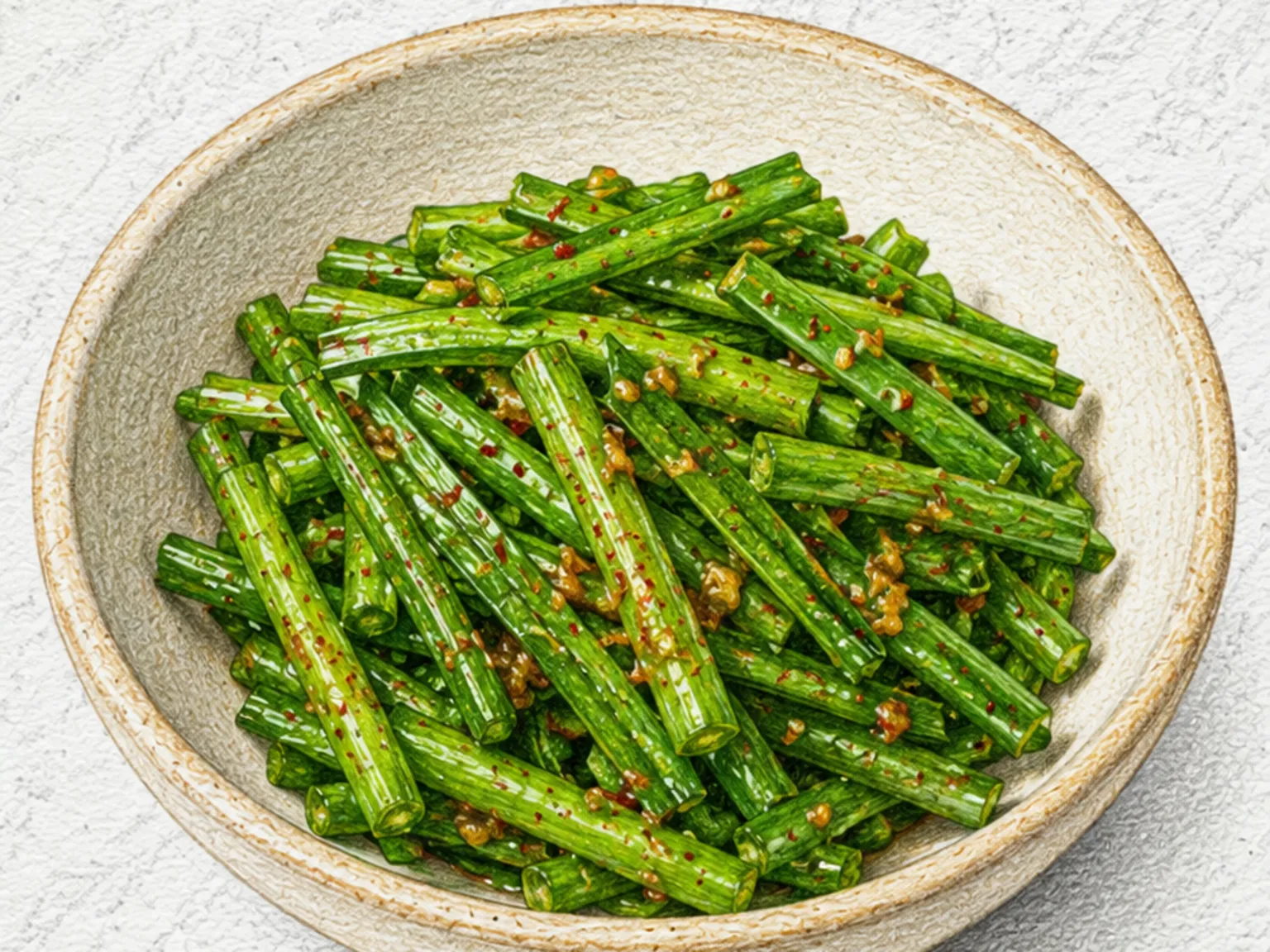
Jjokpa-muchim dresses thin, tender Korean chives in doenjang and gochujang, functioning as a supporting banchan that almost invariably accompanies grilled samgyeopsal or pan-roasted fish. Jjokpa is milder and naturally sweeter than regular green onion, which is what makes it suitable for eating raw: the gentle sharpness cuts through the fat of grilled pork without overwhelming the palate. The fermented, earthy depth of doenjang and the spicy kick of gochujang layer over the chive's natural pungency, building complex flavor from three uncomplicated ingredients. The essential rule is to dress the chives immediately before serving, because the salt in both pastes begins drawing moisture from the jjokpa within minutes, collapsing the crisp snap that defines the dish. Cut to four-centimeter lengths and gently tumbled in the sauce, the preparation takes under five minutes. Spring jjokpa is the most tender and sweet of the year, making it the best season to make this banchan. A few drops of sesame oil folded in at the end add a toasty fragrance, and a pinch of minced garlic sharpens the overall aroma. Perilla oil can substitute for sesame oil and delivers a deeper, more distinctive nuttiness.

Korean Spicy Freshwater Fish Soup
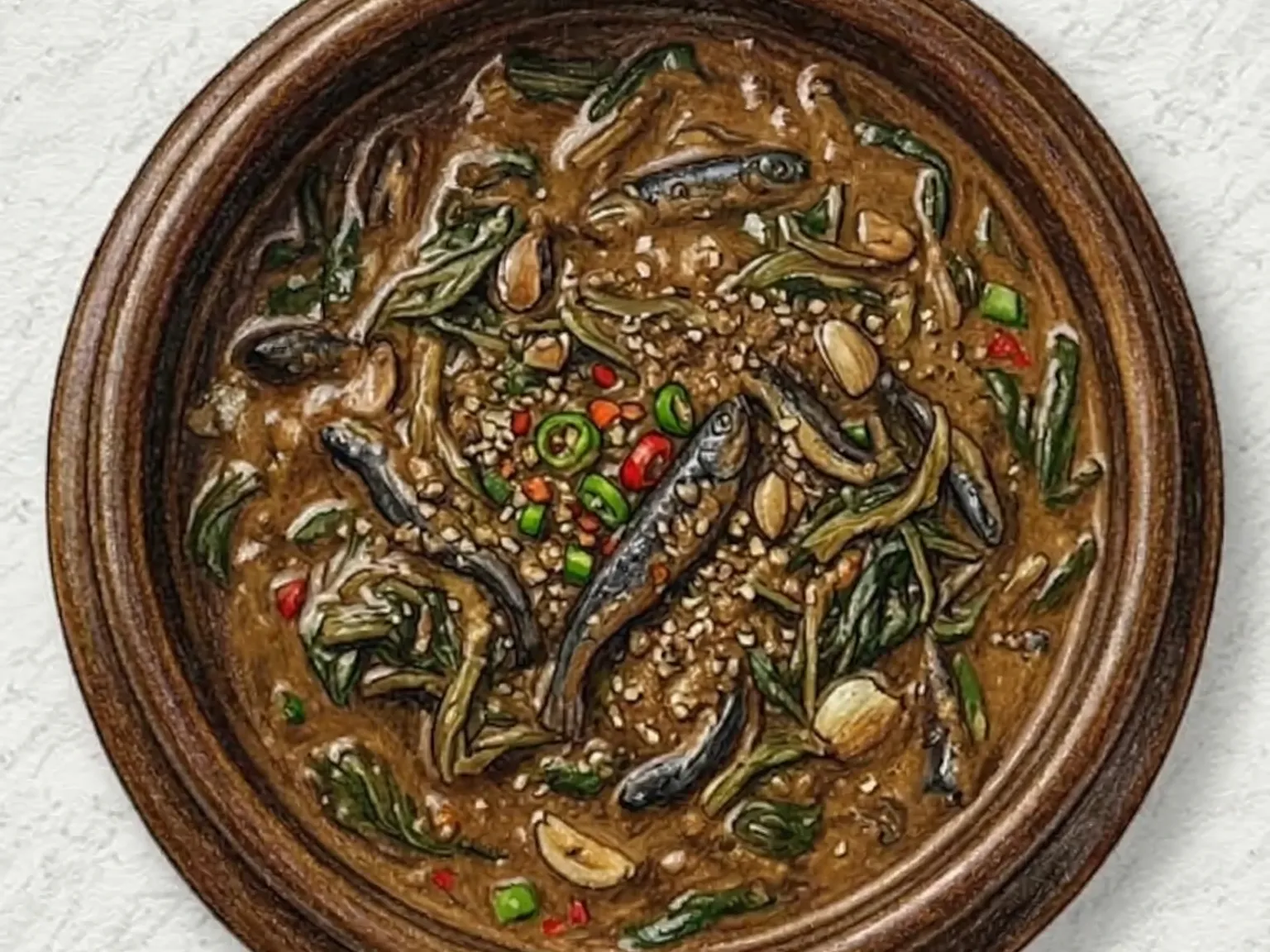
Eotang is a traditional Korean soup from the Chungcheong region, made by boiling whole freshwater fish for over forty minutes to coax a thick, deeply savory broth from both flesh and bone. The stock is strained twice through a fine sieve to remove every small bone, then returned to heat with radish, doenjang, and minced garlic for another twenty minutes of simmering. The earthy, nutty richness of freshwater fish blends with fermented soybean paste to build a broth of layered depth, and the radish softens fully over the long cook, helping the liquid take on a slightly silky body. Red chili flakes and thick-cut green onion stirred in at the end sharpen the heat and amplify the savory undercurrent of the broth. The preparation takes time and attention, but the dense, bone-drawn concentration of flavor the process produces is difficult to achieve any other way.