Charim

2686 Korean & World Recipes

2686+ Korean recipes, clean and organized. Ingredients to instructions, all at a glance.

Recipes with green onion

24 recipes

Buy green onion
Korean Spicy Stir-fried Octopus
Stir-fryMedium

Korean Spicy Stir-fried Octopus

Nakji-bokkeum is a fiery Korean stir-fry of small octopus (nakji) coated in a sauce of gochujang, gochugaru, soy sauce, sugar, and garlic, tossed with bean sprouts, onion, carrot, and scallion. Bean sprouts line the bottom of the pan, releasing moisture to prevent sticking while adding crunch. The vegetables and half the sauce go on next, then the octopus on top, covered and steamed on medium heat for three minutes before a final high-heat stir-fry sears everything for two minutes. Speed is critical - octopus toughens with prolonged cooking - and the dish is often mixed with boiled thin wheat noodles for a heartier meal.

🍺 Bar Snacks🏠 Everyday
Prep 15minCook 10min2 servings
Korean Dried Pollack Egg Soup
SoupsEasy

Korean Dried Pollack Egg Soup

Hwangtae-gyeran-guk is a Korean clear soup that pairs dried pollock with silken egg threads in the same bowl. Toasting the pollock strips in sesame oil at the start is what gives the broth its foundation: the oil absorbs the nutty, roasted fragrance and carries it throughout the liquid as it simmers. Radish and green onion add a clean sweetness and mild sharpness, and once the broth is seasoned with soup soy sauce and garlic, beaten egg is streamed in slowly to form wispy, floating ribbons. The chewy pollock and the soft egg offer a changing texture from one spoonful to the next. Hwangtae is produced on outdoor racks in the Gangwon-do mountains through a winter-long cycle of freezing and thawing that breaks down the protein into a more digestible form and increases the amino acid content. In Korean households this soup appears at both the breakfast table and the post-drinking recovery meal, favored because the protein-rich pollock is gentle on a tired stomach and the whole pot comes together in under twenty minutes.

🏠 Everyday
Prep 10minCook 18min4 servings
Korean Kimchi Jjigae (Kimchi Stew)
StewsEasy

Korean Kimchi Jjigae (Kimchi Stew)

Kimchi jjigae is a well-loved Korean home-cooked stew, built on well-fermented kimchi and pork belly simmered together until the flavors fully meld. The kimchi's sharp acidity breaks down the richness of the pork fat, producing a broth that is simultaneously tangy, spicy, and deeply savory. A spoonful of doenjang adds another layer of fermented complexity, while tofu blocks absorb the fiery liquid. Finished with a drizzle of sesame oil, it is the definitive comfort food served with steamed rice.

🏠 Everyday
Prep 10minCook 30min4 servings
Korean Steamed Shrimp
SteamedEasy

Korean Steamed Shrimp

Saeu jjim is a traditional Korean method for preparing steamed shrimp by utilizing a specific layering technique within a steamer. The process begins by creating a foundation of sliced onions, green onions, and garlic cloves across the steamer basket. Whole shrimp are then carefully arranged directly on top of this bed of aromatic vegetables. As the water boils below, the rising steam carries the volatile oils and scents of the onion and garlic upward, allowing these fragrances to penetrate the shrimp through their shells. A small amount of rice wine is applied to the shrimp before the lid is closed to neutralize any strong briny odors that may be present. Leaving the shells intact during the steaming process is a deliberate step to minimize the loss of internal moisture. This protective layer ensures the meat remains firm and juicy while preserving the natural sugars found in the seafood. Precision regarding the cooking duration is a critical factor for success. The shrimp typically require only eight to nine minutes of exposure to the steam once the water has reached a steady boil. If the cooking time exceeds this window, the proteins in the flesh will contract and cause the texture to become noticeably tough and dry. When the time is up and the lid is lifted, it should be tilted to the side rather than pulled straight up. This prevents the heavy condensation collected on the underside of the lid from dripping back down onto the shrimp, which would otherwise dilute the seasoning on the surface of the shells. Just before the dish is served, a light squeeze of fresh lemon juice is applied to provide a bright acidity that complements the inherent sweetness of the shrimp. While the dish is sufficiently flavorful to be eaten without any dipping sauce, it is often accompanied by cho-ganjang, which is a mixture of soy sauce and vinegar. Alternatively, a sweet chili sauce can be provided as a condiment for individuals who prefer an additional flavor profile alongside the seafood.

🥗 Light & Healthy
Prep 15minCook 12min2 servings
Korean Squid & Pork Belly Stir-fry
Stir-fryMedium

Korean Squid & Pork Belly Stir-fry

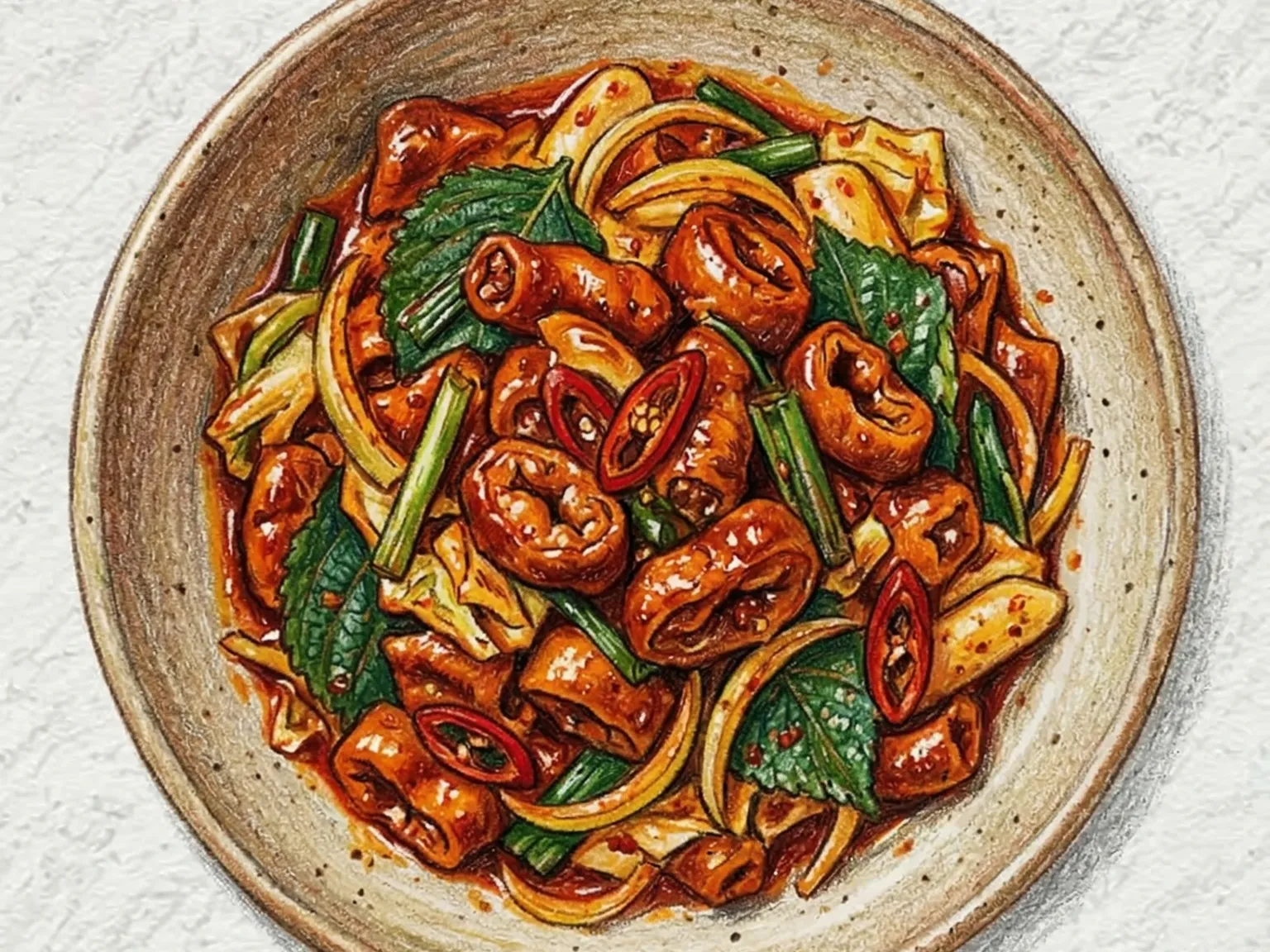
Osam-bulgogi is a Korean stir-fry that pairs scored squid and sliced pork belly in a single pan with a gochujang-gochugaru-soy-sugar sauce, delivering both oceanic umami and rich meatiness in every bite. The pork belly cooks first for three minutes, rendering its fat into the pan - this rendered fat then becomes the cooking medium for the squid, deepening the overall flavor. Squid is scored in a crosshatch pattern so the thick sauce penetrates its flesh, and onion provides sweetness to balance the heat. Scallion and perilla leaves finish the dish, adding freshness to what is a staple anju (drinking snack) in Korean restaurants.

🍺 Bar Snacks🏠 Everyday
Prep 15minCook 15min2 servings
Korean Dried Pollock Radish Soup
SoupsEasy

Korean Dried Pollock Radish Soup

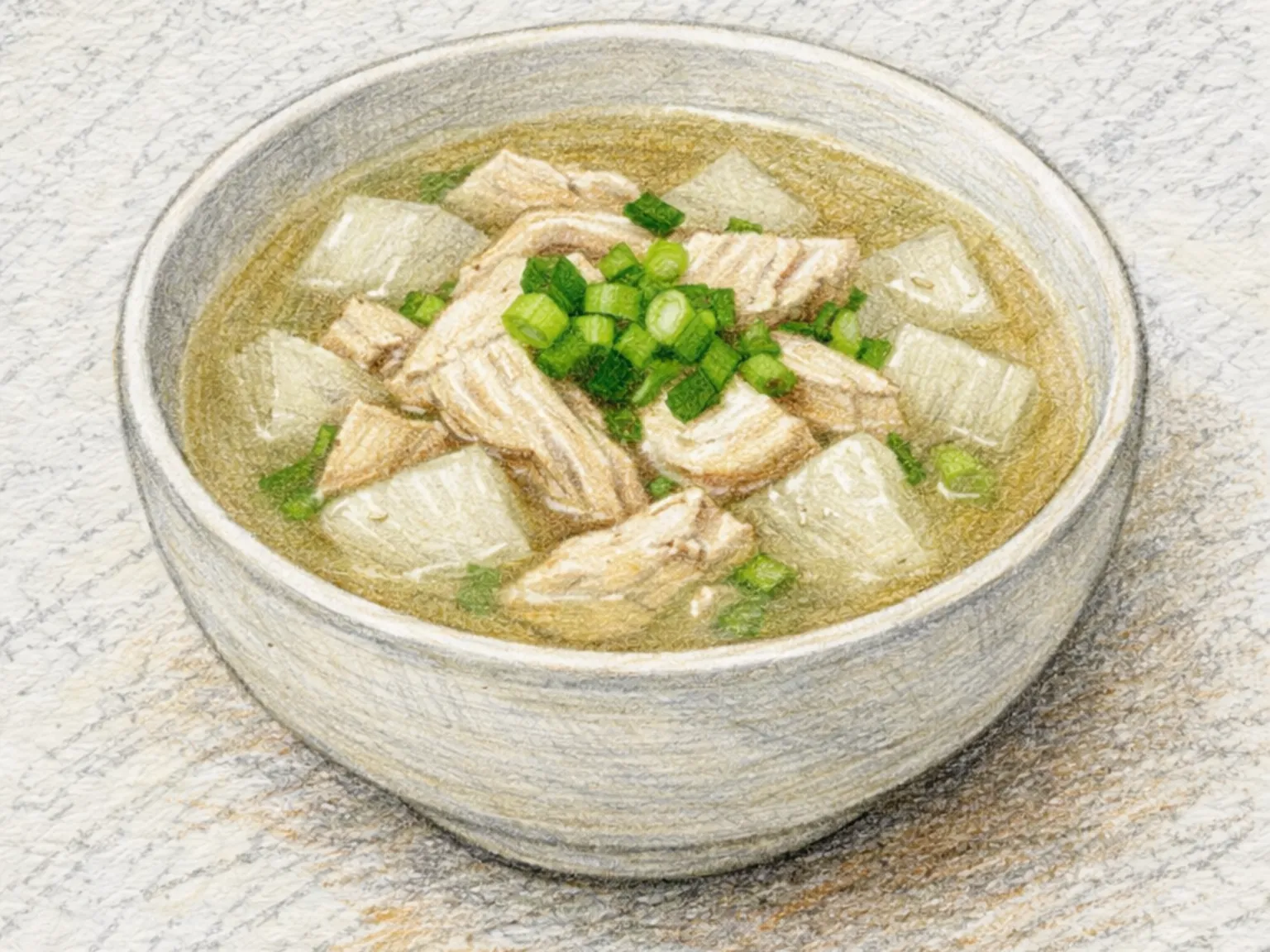
Hwangtae-muguk is an everyday Korean soup made with dried pollock strips and radish in a clean, clear broth. The pollock is first sautéed in sesame oil to coax out its characteristically nutty, savory fragrance, then water is added and the radish simmers until soft and sweet. Soup soy sauce and minced garlic provide the only additional seasoning, keeping the flavor profile transparent enough to let the pollock's concentrated umami and the radish's natural sweetness take center stage. The simplicity of the ingredient list belies the depth of the resulting broth, which tastes fuller than the sum of its parts. It is among the most frequently cooked soups in Korean homes, appearing on breakfast tables and as a reliable remedy on mornings after heavy meals. The pollock's tender, delicate flesh holds together well in the clear broth.

🏠 Everyday
Prep 12minCook 22min4 servings
Korean Kimchi Bean Sprout Stew
StewsEasy

Korean Kimchi Bean Sprout Stew

This jjigae simmers fermented kimchi and soybean sprouts in an anchovy-based stock for a broth that is both refreshing and sharply spiced. The soybean sprouts contribute a crisp bite and a clean, neutral flavor that tempers the kimchi's fermented tang and chili heat, keeping the overall taste from feeling one-dimensional. Soft tofu adds creaminess and a gentle texture contrast, while onion provides background sweetness and green onion brings a fresh, aromatic note. Soup soy sauce and gochugaru are used to season, producing a clear, clean spiciness without muddying the broth. In Korean households, this jjigae is frequently eaten in the morning or as a hangover remedy, valued for its simplicity and its ability to settle the stomach while still delivering a satisfying depth of flavor.

🏠 Everyday
Prep 10minCook 20min2 servings
Korean Braised Mackerel with Dried Radish Greens
SteamedMedium

Korean Braised Mackerel with Dried Radish Greens

Siraegi godeungeo jorim is a Korean braised mackerel dish in which the fish and pre-boiled dried radish greens are cooked down with radish and onion in a chili-soy seasoning. The richness of mackerel fat and the earthy, fibrous character of dried radish greens share the same braising liquid, each amplifying what the other brings to the pot. The radish greens must be boiled thoroughly before braising to soften their tough fibers and leach out any residual bitterness, which is then washed away with a cold rinse. Mackerel seasoned lightly with cooking wine is placed over the greens and vegetables, and the pot braises over medium-low heat for more than twenty minutes so the seasoning penetrates the flesh all the way through. Spooning the braising liquid over the fish two or three times during cooking ensures an even coating on the upper surface. Radish becomes sweeter and more concentrated as it reduces, neutralizing any fishiness from the mackerel. The finished dish, spooned generously over steamed rice with its spicy braising sauce, delivers a layered depth of flavor that is unmistakably Korean.

🎉 Special Occasion🍱 Lunchbox
Prep 20minCook 35min4 servings
Korean Perilla Braised Tofu
Stir-fryEasy

Korean Perilla Braised Tofu

Deulkkae dubu-jorim is a Korean braised tofu side dish finished with ground perilla seeds for a distinctly nutty, creamy character. Firm tofu slabs are lightly pan-seared, then simmered in a soy sauce and garlic broth with sliced onion. Ground perilla powder is stirred in toward the end, thickening the sauce into a pale, velvety coating that clings to each piece. A final drizzle of sesame oil and a scattering of green onion rounds out the dish with fragrant warmth.

🏠 Everyday🍱 Lunchbox
Prep 12minCook 14min2 servings
Jangeo-tang (Spicy Freshwater Eel Soup)
SoupsHard

Jangeo-tang (Spicy Freshwater Eel Soup)

Jangeo-tang is a nourishing Korean eel soup in which freshwater eel is boiled, deboned, and simmered in a seasoning base of doenjang and gochugaru. Dried radish greens (sirae-gi) are added to the pot for an earthy, faintly bitter depth that grounds the overall richness. Garlic and green onion work against any fishiness, leaving behind the clean, fatty character of the eel itself. What distinguishes this broth from a straightforward spicy soup is the interaction between the fermented weight of doenjang, the direct heat of gochugaru, and the rendered fat of the eel: the three together produce a complexity that neither doenjang nor chili achieves alone. The eel meat holds its grain even with extended cooking, remaining tender without falling apart. Rich in protein and unsaturated fats, this soup has long been categorized as a stamina-restoring food in Korean culinary tradition, consumed during the three hottest periods of summer or whenever the body needs rebuilding. Sliced green chili or perilla seed powder can be stirred in to shift the broth's profile.

🏠 Everyday🎉 Special Occasion
Prep 30minCook 45min4 servings
Korean Perilla Leaf Soft Tofu Stew
StewsEasy

Korean Perilla Leaf Soft Tofu Stew

Kkaennip sundubu jjigae is a mild, gently seasoned stew of soft tofu and perilla leaves simmered in a light anchovy broth. The 350g of sundubu goes in as large, rustic pieces that hold their shape while cooking, then collapse into silky, cloud-like curds on the spoon. Twelve perilla leaves added stem-on release their aromatic oils gradually as the broth comes to a boil, giving the stew a distinctly herbal, faintly anise-like character that sets it apart from standard sundubu variations. Gochugaru and soup soy sauce provide just enough background seasoning to keep the perilla fragrance forward rather than overwhelmed by heat, and a drizzle of sesame oil at the finish adds a nutty warmth. Low in spice and gentle on the stomach, this is a practical choice on days when a soothing, unfussy bowl is what is needed.

🏠 Everyday
Prep 10minCook 12min2 servings
Korean Sogogi Jangjorim (Soy-Braised Beef)
SteamedMedium

Korean Sogogi Jangjorim (Soy-Braised Beef)

Sogogi jangjorim is one of Korea's essential make-ahead side dishes, made by boiling lean beef round until thoroughly tender, shredding it cleanly along the grain, and braising the shreds with quail eggs in soy sauce, sugar, and garlic. Using the beef cooking broth as the braising base means every spoonful of the liquid carries concentrated, bone-deep meat flavor that plain water could not produce. The quail eggs take on a deep amber-brown color as they simmer, absorbing the soy seasoning all the way through to the yolk rather than just on the surface. Cooling the pot completely before refrigerating is not merely a storage step but a flavor step: both the meat and the eggs continue to draw in seasoning as the temperature drops, resulting in a more uniform taste throughout. Once fully chilled, the braising liquid partially solidifies into a savory coating around each piece of beef and every egg, helping the dish maintain its intensity for days. Refrigerated, this banchan keeps well over a week, making it a staple of Korean weekly meal preparation. The shredded beef tucks easily between grains of rice, and the firm bite of the quail eggs provides a satisfying textural contrast that makes it impossible to stop at just a few bites.

🎉 Special Occasion🍱 Lunchbox
Prep 20minCook 70min4 servings
Korean Stir-Fried Shrimp (Garlic Butter Soy Glazed Shrimp)
Stir-fryEasy

Korean Stir-Fried Shrimp (Garlic Butter Soy Glazed Shrimp)

Saeu-bokkeum is a Korean shrimp stir-fry cooked in melted butter with garlic, then seasoned with soy sauce, sugar, and black pepper. The shrimp are peeled and deveined, patted dry, and cooked only until they turn pink -- a matter of minutes. Butter and garlic form the aromatic base, while soy sauce and a small amount of sugar build a savory-sweet glaze that coats each shrimp without a separate sauce. Green onion scattered on top adds a fresh bite to finish.

🏠 Everyday🌙 Late Night
Prep 10minCook 8min2 servings
Kongnamul-guk (Bean Sprout Anchovy Soup)
SoupsEasy

Kongnamul-guk (Bean Sprout Anchovy Soup)

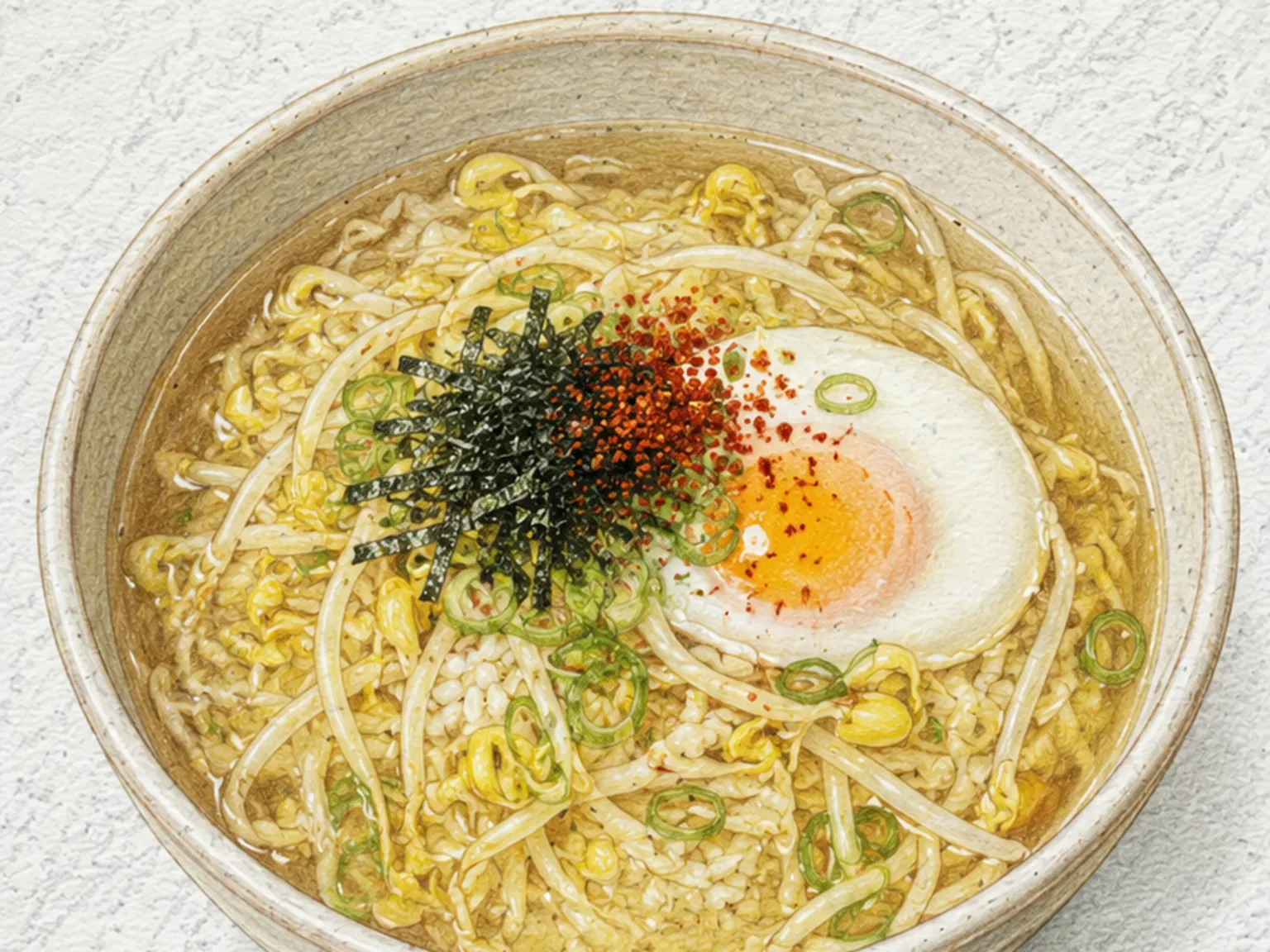
Kongnamul-guk is a clear Korean soup built on bean sprouts, water, soup soy sauce, and garlic, and its central technique is boiling the sprouts with the lid firmly closed for seven minutes. The reason behind the closed lid is a long-standing Korean kitchen belief: the compounds responsible for the raw, beany smell in soybean sprouts are volatile, and if the lid is left open, they do not escape with the steam but instead condense back into the pot. Whether the chemistry fully supports this, keeping the lid closed has been the standard method for generations and consistently produces a clean-tasting broth. Green onion goes in at the very end to keep its bright, mild bite without overcooking. Trimming the fine root tails from each sprout improves the texture and presentation, though it does not change the flavor and is often skipped on weekdays. Adding chili flakes and a cracked egg transforms the soup into a spicy, restorative hangover version, and a handful of clams deepens the broth with extra umami. From start to finish the soup takes about fifteen minutes, which makes it one of the fastest soups in the Korean repertoire, and the directness of its flavor -- clean, cool, and vegetal -- is exactly what makes it worth returning to.

🏠 Everyday Quick
Prep 5minCook 15min2 servings
Korean Pacific Saury Stew
StewsEasy

Korean Pacific Saury Stew

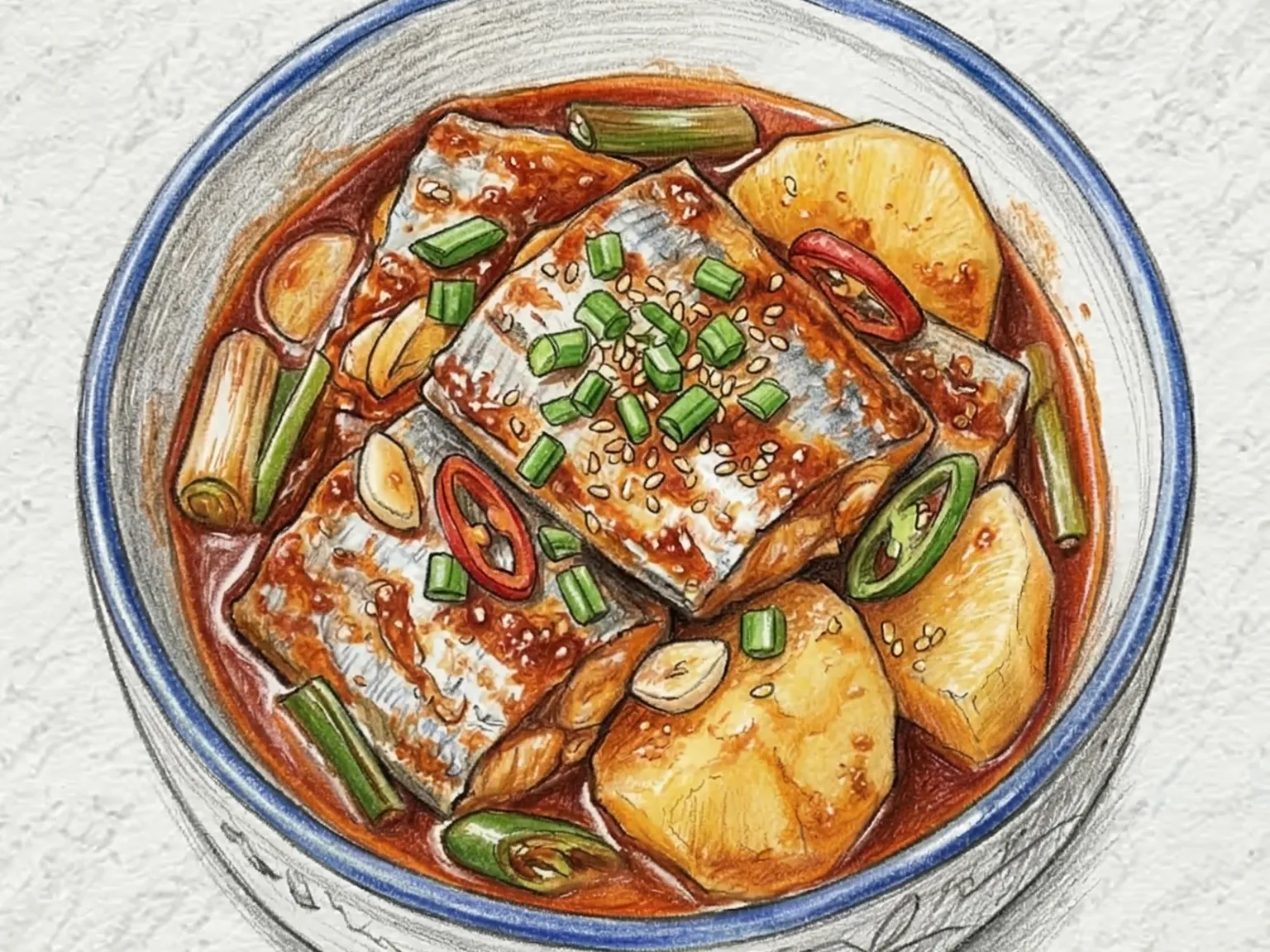
Kkongchi jjigae is a budget-friendly Korean stew built around a single can of Pacific saury, making it one of the most practical jjigae to pull together from pantry staples. Korean radish and onion go into the pot alongside the fish, absorbing the bold, oily flavor of the canned saury as everything simmers together. The canning liquid is included in the pot as well, eliminating the need for a separate stock while adding the concentrated brininess of the fish directly to the broth. A half-tablespoon of doenjang tames the fishiness that canned fish can carry while adding a layer of fermented, savory depth, and gochugaru builds the characteristic spicy bite that makes this stew work as a proper rice banchan. Because canned saury is already fully cooked and the bones have softened in the canning process, the fish can go directly into the pot without any preparation and the pieces can be eaten bones and all. The whole stew comes together in under 30 minutes, making it a reliable weeknight option when time and budget are both short.

🏠 Everyday
Prep 10minCook 25min2 servings
Korean Braised Beef and Radish
SteamedMedium

Korean Braised Beef and Radish

Sogogi mu jorim is a Korean braised beef and radish dish where brisket and thick-cut Korean radish are slowly simmered in soy sauce with garlic, ginger, and a touch of sugar. Boiling the beef first and skimming the foam produces a clean broth base for braising. The radish goes in later so it cooks until semi-translucent, absorbing the beef-enriched liquid and developing a natural sweetness that balances the soy. Green onion added at the end contributes a fresh note. Cutting the radish thick is important so it holds its shape through the braise, and resting the dish overnight before reheating deepens the flavor noticeably.

🏠 Everyday🎉 Special Occasion
Prep 20minCook 45min4 servings
Korean Stir-fried Radish Greens with Perilla
Stir-fryEasy

Korean Stir-fried Radish Greens with Perilla

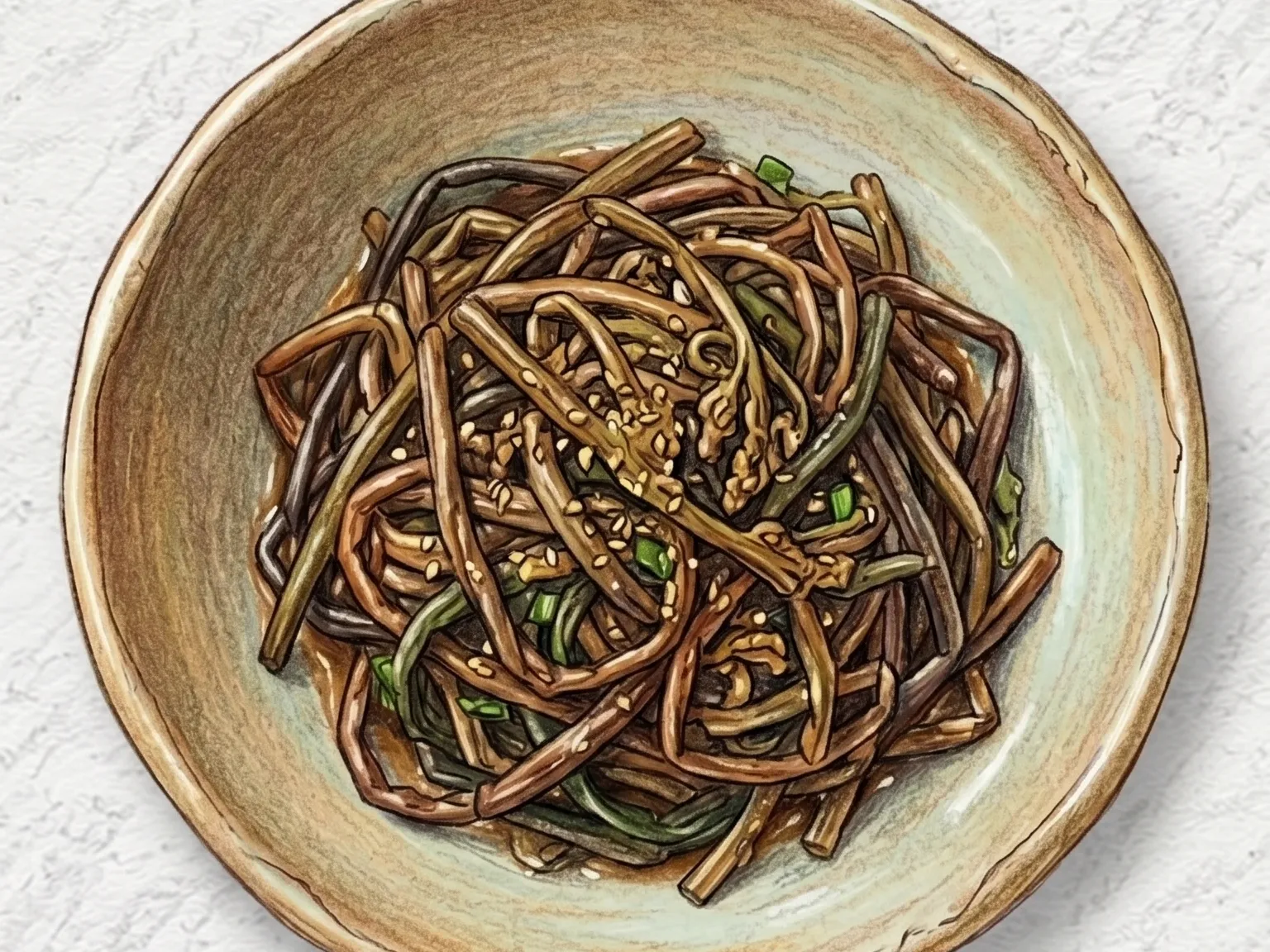
Siraegi deulkkae-bokkeum is a Korean stir-fry of pre-boiled dried radish greens seasoned with soup soy sauce and garlic, then cooked in perilla oil and finished with generous perilla powder. The greens are first tossed in the seasoning to let the flavors penetrate, stir-fried for three minutes, then simmered briefly with water and perilla powder until a thick, nutty sauce coats every strand. Green onion added at the end provides a fresh aromatic lift. Compared to the doenjang-based siraegi jorim, this version leans lighter and more distinctly nutty from the perilla.

🏠 Everyday🍱 Lunchbox
Prep 15minCook 20min4 servings
Korean Bean Sprout Dried Pollock Soup
SoupsEasy

Korean Bean Sprout Dried Pollock Soup

Kongnamul-hwangtae-guk pairs dried pollock strips with soybean sprouts in a clear broth that is widely eaten as a morning-after remedy. The pollock is toasted briefly in sesame oil to coax out a nutty, savory aroma before radish slices and water are added for ten minutes of simmering, which forms the foundational stock. Rinsing the pollock quickly in cold water rather than soaking it for a long time keeps the strands pleasantly chewy rather than soft and falling apart. Bean sprouts and minced garlic are added uncovered for five more minutes: leaving the lid off is essential, as the open steam carry away the raw beany smell while preserving the sprouts' characteristic crunch. Soup soy sauce and a pinch of salt finish the seasoning, and sliced green onion goes on just before serving. The broth turns a milky, pale white as the pollock proteins leach into the liquid, which is the visual marker of a properly cooked bowl.

🏠 Everyday
Prep 10minCook 20min2 servings
Korean Spicy Blue Crab Seafood Stew
StewsMedium

Korean Spicy Blue Crab Seafood Stew

Kkotge haemul jjigae is a Korean seafood stew that combines blue crab, Manila clams, and shrimp in 1.2 liters of anchovy-kelp stock to build the most layered possible ocean flavor. Each shellfish contributes a distinct profile to the broth: blue crab adds a sweet, nutty richness from the body and roe, clams release a clean briny depth, and shrimp fold in their characteristic sweetness and concentrated umami. Together they create a broth with complexity that no single ingredient could produce on its own. Radish and zucchini absorb the seafood-infused liquid as they cook, becoming tender and carrying the flavor deep into their flesh. Doenjang and gochugaru form the seasoning backbone, layering fermented savoriness and spice into what would otherwise be a straightforward clear broth. Cheongyang chili and sliced green onion go on last, brightening the surface and extending the clean, cool finish that is the hallmark of well-made Korean seafood stew. Adding the crab first and letting it simmer before introducing the other shellfish is the key step -- it gives the stock time to take on the crab's full flavor before everything else goes in.

🎉 Special Occasion
Prep 25minCook 30min4 servings
Korean Taro Stem Perilla Steam
SteamedMedium

Korean Taro Stem Perilla Steam

Torandae deulkkae jjim is a rustic Korean dish of boiled taro stems braised with soup soy sauce and ground perilla seeds. The stems are first stir-fried in perilla oil to drive off any lingering sharpness, then simmered covered until their fibers soften and absorb the seasoning. Ground perilla added near the end thickens the liquid into a creamy consistency and fills the dish with a roasted, nutty aroma. Green onion provides a fresh finish. Though fully plant-based and made from simple pantry staples, the combination of perilla and soy produces an earthy depth that makes a satisfying accompaniment to a bowl of rice.

🎉 Special Occasion🍱 Lunchbox
Prep 20minCook 35min4 servings
Korean Braised Dried Radish Greens
Stir-fryMedium

Korean Braised Dried Radish Greens

Siraegi jorim is a traditional Korean braise of boiled dried radish greens seasoned with doenjang, soup soy sauce, and garlic, then simmered in perilla oil and water over low heat for twenty minutes. The doenjang slowly permeates the tough, fibrous greens, infusing them with deep fermented soybean flavor while the perilla oil adds a smooth richness. The longer the dish simmers, the more pronounced the earthy, malty depth becomes. Scallion stirred in at the end brightens the otherwise dense, savory profile of this slow-cooked banchan.

🏠 Everyday🍱 Lunchbox
Prep 25minCook 30min4 servings
Korean Seaweed Winter Soup
SoupsEasy

Korean Seaweed Winter Soup

Maesaengi-guk is a winter soup made with capsosiphon, a fine, thread-like green seaweed harvested along Korea's southern coast from December to February. Garlic is briefly sauteed in sesame oil, anchovy stock is poured in, and the seaweed is added and loosened with chopsticks to prevent clumping. The entire cooking time after adding the maesaengi is only three to four minutes; any longer and its delicate ocean aroma fades. After turning off the heat, the soup rests for two minutes so the seasoning of soup soy sauce and black pepper distributes evenly through the silky, deep-green broth.

🥗 Light & Healthy🏠 Everyday
Prep 12minCook 15min4 servings
Korean Doenjang Kkotge Tang
StewsMedium

Korean Doenjang Kkotge Tang

Kkotge tang doenjang is a Korean blue crab stew that uses a full 800g of crab simmered in a doenjang-forward broth, where fermented soybean paste and the crab's natural essence are the two dominant flavors. As the shells cook, they release a deeply savory stock, and radish, zucchini, and onion simmer in that liquid and add layers of sweetness and body. Unlike the more common spicy gochujang-based crab stews, this version leads with doenjang's earthy depth and fermented complexity. Gochugaru and Cheongyang chili provide a secondary heat that balances the richness without taking over. Adding tofu keeps the texture varied and lightens the heaviness of the broth slightly. The crabs turn a vivid orange as they cook, a reliable visual cue that the meat is ready to pull cleanly from the shell. The fermented character of the doenjang suppresses any fishy edge from the crab, making the stew approachable even for those who do not normally gravitate toward shellfish. Served with rice to soak up the broth, it makes a satisfying complete meal.

🏠 Everyday🎉 Special Occasion
Prep 20minCook 22min4 servings
Korean Braised Beef Trotter
SteamedHard

Korean Braised Beef Trotter

Ujok-jjim is Korean braised beef trotter simmered for over two hours with soy sauce, garlic, ginger, and green onion until the collagen-rich joints turn soft and gelatinous. The long, low braise dissolves the connective tissue into the cooking liquid, making it so concentrated that it sets into a firm jelly when cooled. Sugar and soy sauce create a sweet-savory seasoning that penetrates deep into the layered skin and tendons. Traditionally regarded as a nourishing food for joint health, this is a slow-cooked comfort dish especially popular among older generations in Korea.

🎉 Special Occasion
Prep 25minCook 120min4 servings