Charim

2686 Korean & World Recipes

2686+ Korean recipes, clean and organized. Ingredients to instructions, all at a glance.

Recipes with sesame oil

24 recipes

Buy sesame oil
Ssambap (Korean Lettuce Leaf Wraps with Rice and Ssamjang)
RiceEasy

Ssambap (Korean Lettuce Leaf Wraps with Rice and Ssamjang)

Fresh lettuce, perilla leaves, and other leafy greens are spread flat and topped with a small mound of warm rice, a dab of ssamjang, and a slice of raw garlic or chili pepper, then folded into a single bite-sized wrap. The cool crunch of the leaves meets the warm, sticky rice and the salty-sweet depth of fermented soybean paste in every bite. Adding grilled pork belly or bulgogi inside the wrap turns it into a balanced, protein-rich meal. The hands-on ritual of building each wrap at the table is part of what makes ssambap a communal favorite.

🥗 Light & Healthy🏠 Everyday
Prep 20min2 servings
Korean Pan-Fried Tofu with Soy Dipping Sauce
GrilledEasy

Korean Pan-Fried Tofu with Soy Dipping Sauce

Firm tofu is sliced 1.5 cm thick, patted thoroughly dry with paper towels, and lightly salted before going into an oiled pan for four to five minutes per side. Removing surface moisture is the critical step - dry tofu does not splatter and develops an even golden crust. A dipping sauce of soy sauce, Korean chili flakes, chopped green onion, and sesame oil accompanies the fried slices, and the crisp exterior absorbs just enough sauce to add flavor while the soft interior stays mild. With minimal ingredients, this dish is entirely about the textural contrast between the crunchy shell and the silky center.

🍺 Bar Snacks
Prep 10minCook 15min2 servings
Korean Seasoned Bean Sprouts
Side dishesEasy

Korean Seasoned Bean Sprouts

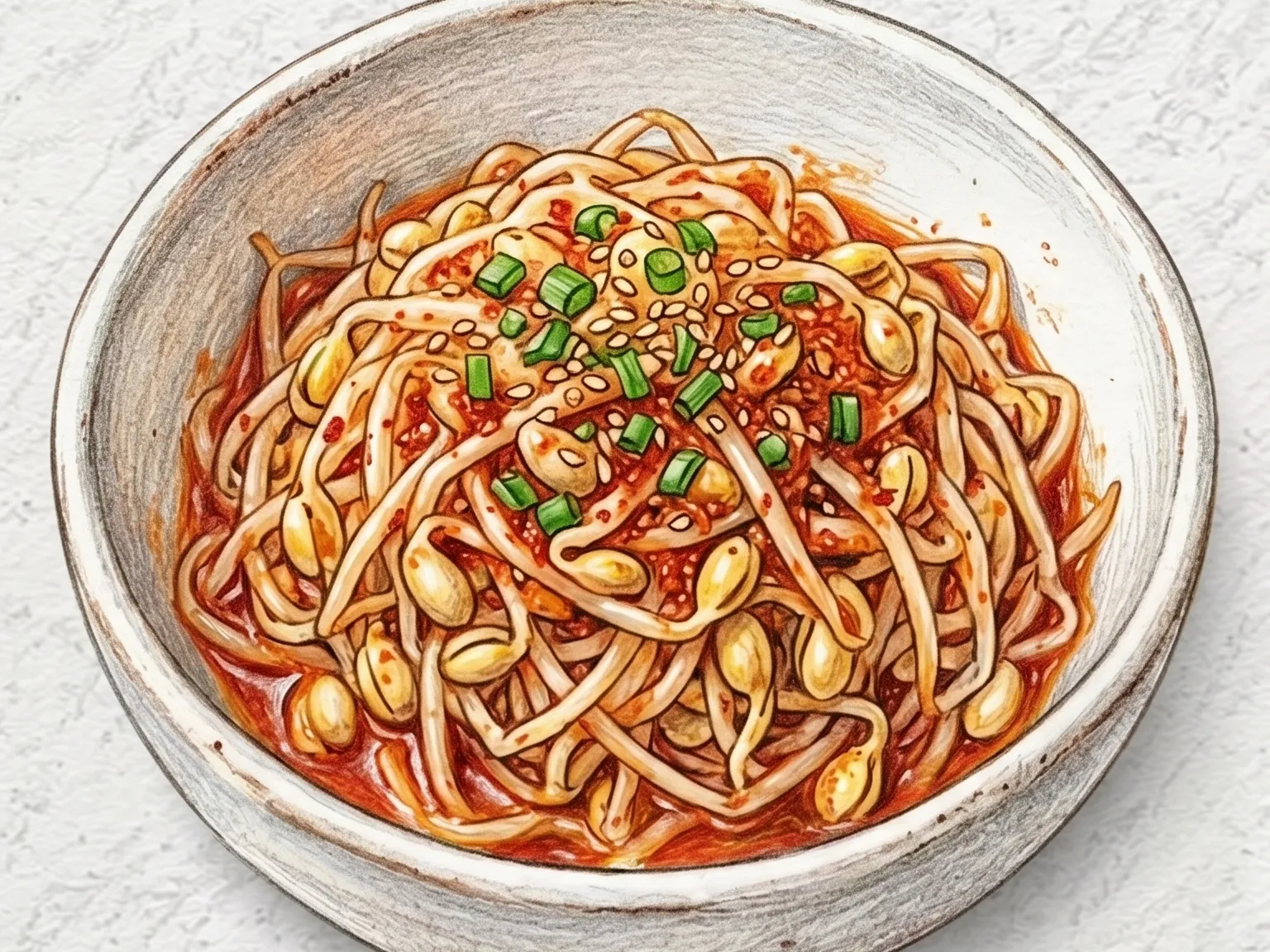
Kongnamul-muchim is arguably the most frequently served banchan on Korean family tables, boiled soybean sprouts dressed simply with sesame oil, garlic, and salt. The famous never-open-the-lid rule during cooking has a clear biochemical basis: the lipoxygenase enzyme in soybeans activates during the early stages of heating and produces the raw-bean off-odor that makes poorly cooked sprouts unpleasant. Keeping the lid firmly sealed maintains a full rolling boil at 100 degrees Celsius, which rapidly deactivates the enzyme before it can do much damage. Three minutes of covered boiling is the standard. A cold water rinse immediately after cooking halts carryover heat, preserving the crisp stem texture that defines a well-made batch, and thorough hand-squeezing prevents the dressing from becoming diluted and watery. Adding gochugaru creates the spicy red version; leaving it out yields the white baek-kongnamul variant. This namul is one of the mandatory components of bibimbap and is particularly associated with Jeonju, where kongnamul-gukbap and bibimbap together define the city's culinary identity around the same ingredient. Nail the cooking time, the rinse temperature, and the squeeze, and the result is consistent every single time.

🏠 Everyday🍱 Lunchbox
Prep 5minCook 5min4 servings
Korean Tomato Egg Fried Rice
RiceEasy

Korean Tomato Egg Fried Rice

Eggs are scrambled first and set aside, then tomatoes are stir-fried in the same pan until their juices burst and coat the wok. Day-old or freshly cooked rice goes in next, tossed at high heat so the grains absorb the tomato's sweet-tart moisture while staying individually distinct. The scrambled egg is folded back in at the end, distributing soft, fluffy curds throughout the fried rice. Rooted in the Chinese classic of tomato and egg, this version turns those familiar flavors into a satisfying one-bowl fried rice.

🏠 Everyday🍱 Lunchbox
Prep 10minCook 10min2 servings
Korean Grilled Bellflower Root
GrilledMedium

Korean Grilled Bellflower Root

Bellflower root is shredded lengthwise, soaked in salted water, and blanched for one minute to draw out its characteristic bitterness without eliminating it entirely. A ten-minute soak in a sauce of gochujang, gochugaru, soy sauce, oligosaccharide syrup, garlic, and sesame oil seasons the root before it hits a medium-heat pan for three to four minutes per side. The result has a crisp, crunchy bite - distinct from any other vegetable - with a red-glazed surface that carries moderate heat. Open-flame grilling adds a smoky dimension that pairs well with the spicy coating, and sesame seeds provide a finishing touch.

🍺 Bar Snacks🏠 Everyday
Prep 20minCook 10min2 servings
Korean Soybean Sprout Cold Salad
Side dishesEasy

Korean Soybean Sprout Cold Salad

Kongnamul-naengchae is a chilled Korean salad of boiled soybean sprouts and vegetables tossed in mustard dressing - conceptually distinct from regular kongnamul-muchim because it is designed to be served cold. The mustard sauce defines the dish: mustard powder (or tube mustard) mixed with vinegar, sugar, and salt creates a sharp, nose-tingling heat alongside a sweet-sour brightness. Prepared mustard needs five to ten minutes of resting after hydration for the allyl isothiocyanate compound to fully develop its pungency. Julienned cucumber and carrot release moisture, so they should be briefly salted or patted dry to prevent diluting the sauce. Chilling for at least ten minutes before serving maximizes the refreshing effect, and cold temperatures actually sharpen the mustard's bite. This banchan excels as a palate cleanser alongside fatty main dishes like samgyeopsal or bulgogi.

🏠 Everyday🍱 Lunchbox
Prep 15minCook 6min4 servings
Korean Seaweed and Shrimp Pot Rice
RiceMedium

Korean Seaweed and Shrimp Pot Rice

Rehydrated hijiki seaweed and whole shrimp are layered over rice in a heavy pot and cooked together so the briny ocean flavor permeates every grain. Sliced shiitake mushrooms and carrot sit beneath the seafood, lending umami depth and a mild sweetness to the base. When the lid comes off, the concentrated aroma of seaweed and shrimp fills the room. Stirring in a soy-based sauce ties the flavors together, and scraping the crispy rice crust from the bottom adds a toasty finish.

🏠 Everyday
Prep 15minCook 25min2 servings
Korean Grilled Beef Plate Rib
GrilledMedium

Korean Grilled Beef Plate Rib

Beef plate rib - a thick, fatty slab attached to the rib bone - delivers a more intense beef flavor than standard short ribs when grilled. After soaking in cold water to draw out blood, the scored meat marinates for at least thirty minutes in soy sauce, Korean pear juice, cooking wine, minced garlic, sesame oil, black pepper, and green onion. The marinade seeps into the score marks, seasoning the meat to its core. Grilled four to five minutes per side on medium-high heat and glazed with remaining marinade, the surface darkens to a lacquered finish. The meat near the bone has a pronounced chew, while fat-laced sections melt on the tongue with lingering umami.

🍺 Bar Snacks🎉 Special Occasion
Prep 25minCook 20min2 servings
Korean Water Parsley Salad
Side dishesEasy

Korean Water Parsley Salad

Minari-muchim is blanched water parsley seasoned with gochugaru, soy sauce, and vinegar, one of the most distinctly seasonal banchan on the Korean table. Minari is a semi-aquatic herb that grows along paddies, wetlands, and clean waterways throughout Korea. Its aroma belongs to a different family from Western parsley or celery: fresher, more herbal, with a green brightness that is difficult to compare to any common Western herb. That aroma is the entire reason to use minari in this dish, which makes the blanching time critical. Beyond twenty seconds in boiling water, the volatile aromatic compounds escape with the steam and what remains is texture without character. Trimming the toughest lower stems and cutting stalks to roughly five centimeters makes each piece easy to eat in a single bite. Transferring the blanched herb immediately to ice water or very cold water fixes the chlorophyll and holds the vivid green color. The vinegar in the dressing does two things simultaneously: it amplifies the herbal brightness of the minari and suppresses the faintly aquatic mustiness that water-grown plants sometimes carry. Gochugaru provides heat, soy sauce adds salted depth, and together they season the herb without masking it. International awareness of minari as an ingredient grew substantially after the 2020 film of the same name. Serving raw minari alongside cho-gochujang as a dipping green is another common spring preparation.

🏠 Everyday🍱 Lunchbox
Prep 10minCook 2min4 servings
Korean Ueong Dak Juk (Burdock Chicken Porridge)
RiceMedium

Korean Ueong Dak Juk (Burdock Chicken Porridge)

Shredded chicken tenderloin and julienned burdock root are simmered together in a long, slow cook until the porridge turns thick and smooth. The chicken releases a clean, mild broth that forms the base flavor, while the burdock contributes a subtle earthy aroma and slight crunch that adds dimension. Toasting the rice in perilla oil before adding liquid deepens the nuttiness and gives the porridge a silkier body. The result is a gentle, nourishing bowl that sits easy on the stomach.

🏠 Everyday
Prep 25minCook 40min4 servings
Korean Ureok Doenjang Gui (Doenjang Grilled Rockfish)
GrilledMedium

Korean Ureok Doenjang Gui (Doenjang Grilled Rockfish)

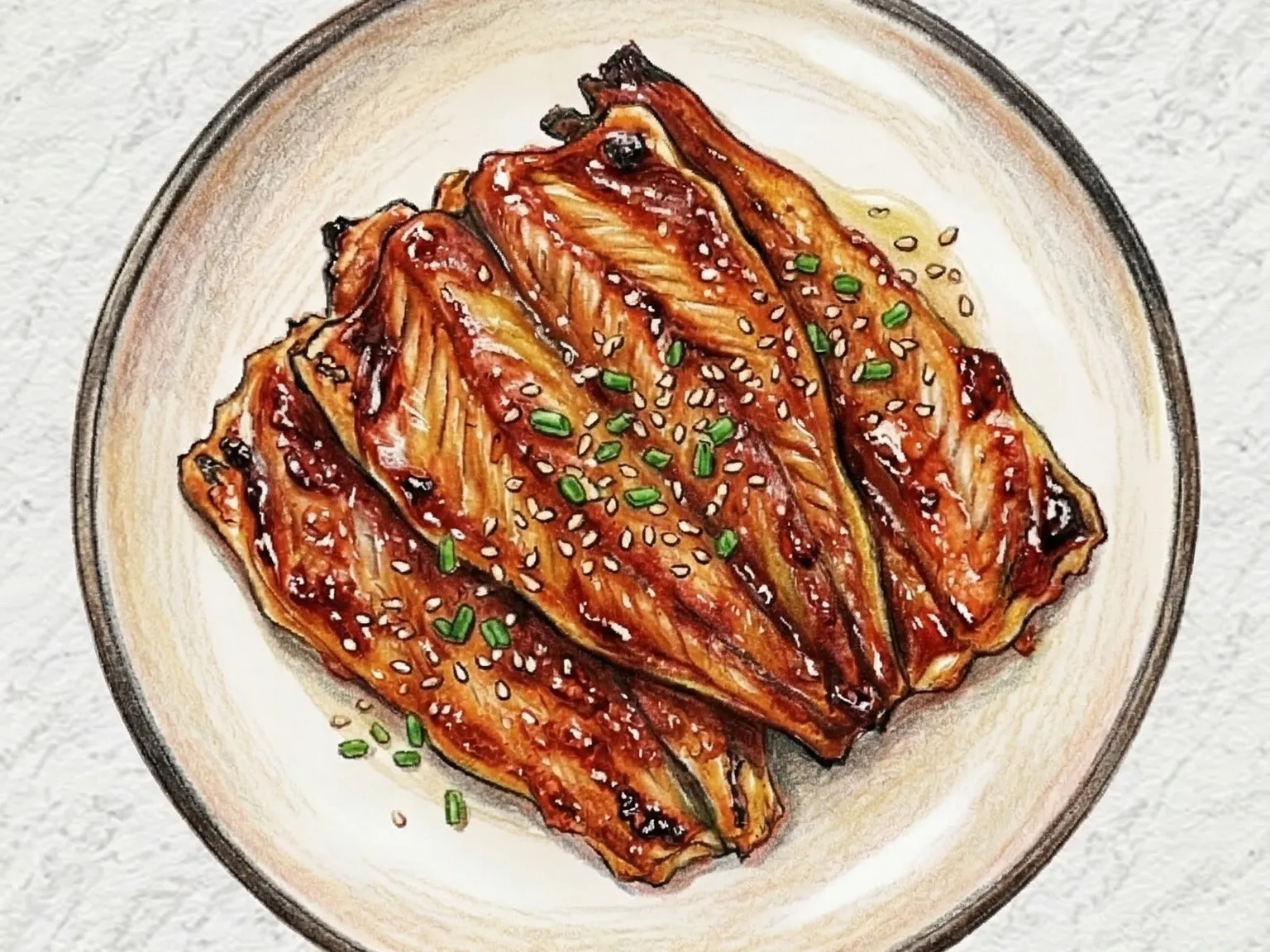
Rockfish fillets are patted dry, pin-boned, and brushed thinly with a paste of doenjang, gochujang, minced garlic, cooking wine, honey, and sesame oil before resting in the refrigerator for fifteen minutes. Cooking begins skin-side down for four minutes, then the fillet is flipped for three minutes, and a second thin coat of paste is applied for two final minutes. The key is thin, repeated applications - a thick layer burns before the fish is done. Rockfish's mild white flesh absorbs the complex, fermented savoriness of the doenjang-gochujang blend, producing a depth of flavor that plain grilled fish cannot match.

🍺 Bar Snacks🏠 Everyday
Prep 20minCook 18min2 servings
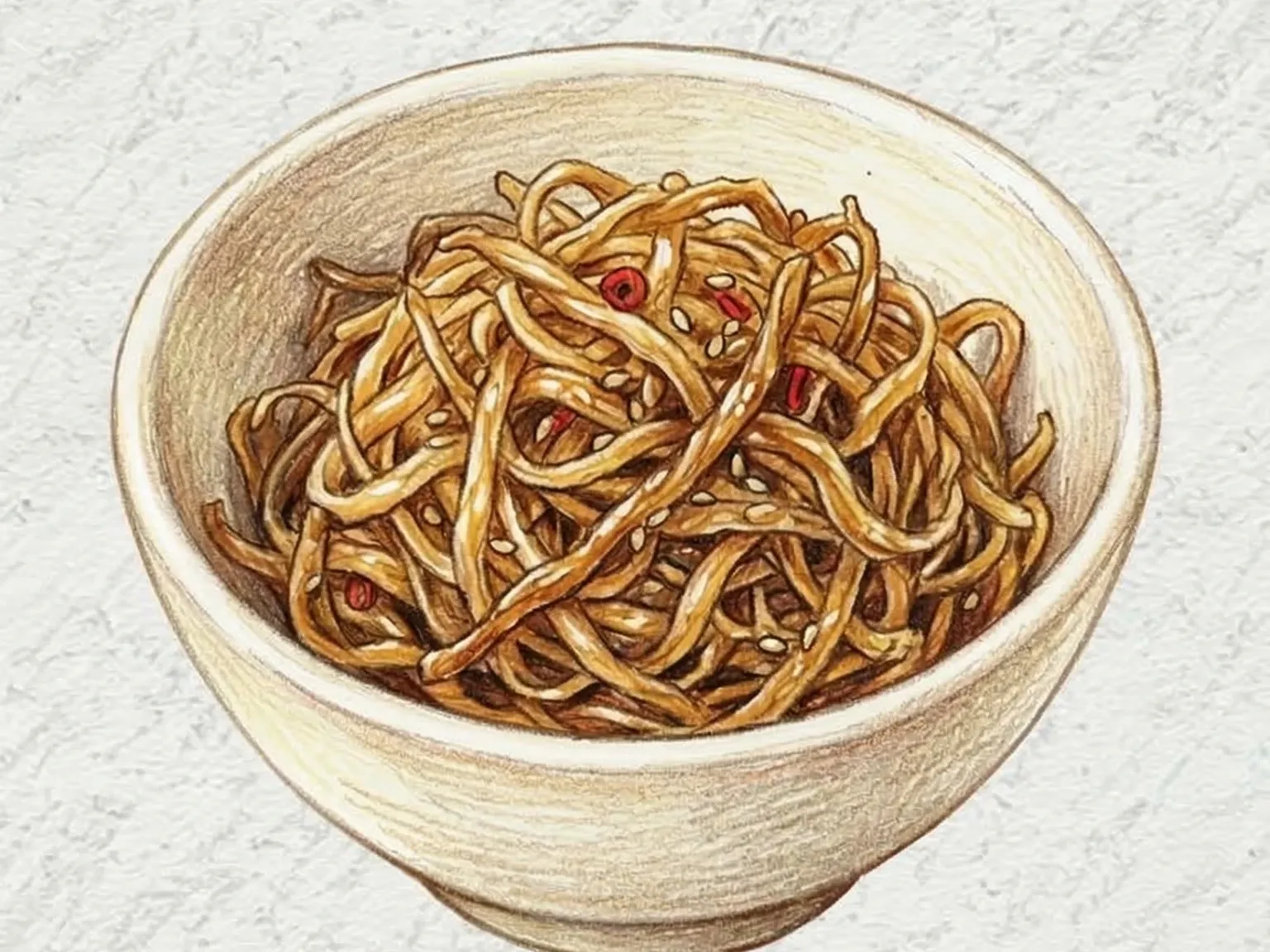
Korean Stir-fried Seaweed Stems
Side dishesEasy

Korean Stir-fried Seaweed Stems

Miyeok-julgi-bokkeum is stir-fried seaweed stems - specifically the thick midrib portions of salted miyeok (wakame) - offering a textural experience entirely different from miyeok-muchim (seaweed salad) or miyeok-guk (seaweed soup). While seaweed leaves are soft and slippery, the stems are thick and resilient, producing a distinctive crunchy pop with each bite. Salt levels vary by brand, so soaking in cold water for ten minutes is the baseline desalting step, but tasting before cooking and rinsing again if needed is essential. Julienned onion and carrot stir-fried alongside break the monotony of seaweed alone, adding sweetness and color. Garlic sauteed in oil first establishes an aromatic foundation. A finishing drizzle of sesame oil and sesame seeds bridges the oceanic seaweed flavor with a toasty nuttiness. The extremely low calorie count makes this banchan a staple in diet-conscious Korean meal plans.

🥗 Light & Healthy🏠 Everyday
Prep 15minCook 8min4 servings
Korean Burdock Beef Pot Rice
RiceMedium

Korean Burdock Beef Pot Rice

Beef is marinated in soy sauce to build savory depth, then placed on top of rice with crisp-cut burdock root and cooked together in a heavy pot. The marinated beef releases its juices during cooking, and they soak into the rice so each grain carries flavor without any extra sauce. Burdock retains its firm texture even after pot-cooking, releasing an earthy sweetness with every chew. Adding carrot brings a gentle sweetness and color that rounds out the bowl.

🎉 Special Occasion
Prep 20minCook 35min4 servings
Korean Marinated Beef Short Ribs
GrilledHard

Korean Marinated Beef Short Ribs

One kilogram of beef short ribs is soaked in cold water for thirty minutes, then marinated for at least an hour in grated Korean pear, onion juice, soy sauce, sugar, honey, minced garlic, sesame oil, cooking wine, and black pepper. The enzymes in pear and onion tenderize the meat, while soy sauce and honey caramelize on the grill into a dark, lacquered glaze. The ribs are seared on a preheated grill, then cooked at medium heat for three to four minutes per side with a final thin brush of marinade. This is a centerpiece dish for Korean holidays and dinner parties, with portions generous enough for a family of four.

🎉 Special Occasion
Prep 40minCook 20min4 servings
Korean Seaweed Salad (Tangy Chili-Vinegar Dressed Miyeok)
Side dishesEasy

Korean Seaweed Salad (Tangy Chili-Vinegar Dressed Miyeok)

Miyeok-muchim consists of rehydrated seaweed seasoned with either a vinegared chili paste called cho-gochujang or a vinegared soy sauce known as cho-ganjang. In Korean culinary traditions, this preparation represents one of the most frequent methods for consuming seaweed outside of the traditional soup typically served on birthdays. To prepare the foundation of the dish, approximately thirty grams of dried miyeok requires a twenty-minute immersion in water. During this period, the volume of the seaweed expands by eight to ten times its original size, which results in a quantity sufficient for two individual portions. A frequent error made by individuals unfamiliar with this ingredient involves using an excessive amount of the dried seaweed because the dramatic scale of its expansion is often underestimated. Following the soaking stage, the seaweed undergoes a brief blanching process in boiling water. This technique intensifies the color of the miyeok into a vivid green while simultaneously reducing the strong marine odor associated with the raw plant. Immediately after blanching, a thorough rinse in cold water is required to lock in the specific texture of the seaweed, which is characterized as being both slippery and bouncy. For the dressing, the spicy cho-gochujang variation combines fermented chili paste with vinegar and sugar to create a profile that is sweet, sour, and spicy. This combination serves to temper the inherent saltiness found in the seaweed. Many versions of the dish include thinly julienned cucumber to provide a crisp textural contrast to the silkiness of the miyeok. Alternatively, the cho-ganjang dressing offers a more subtle flavor for individuals preferring a clean taste without the heat of chili. From a nutritional standpoint, a single portion contains roughly fifty kilocalories and is recognized as a significant source of dietary fiber and iodine. These attributes make the dish a consistent feature in Korean home cooking focused on health and nutrition. The salad is typically kept in the refrigerator and served chilled, making it particularly refreshing during the summer months when people often experience a decrease in their appetite.

🏠 Everyday🍱 Lunchbox
Prep 20min2 servings
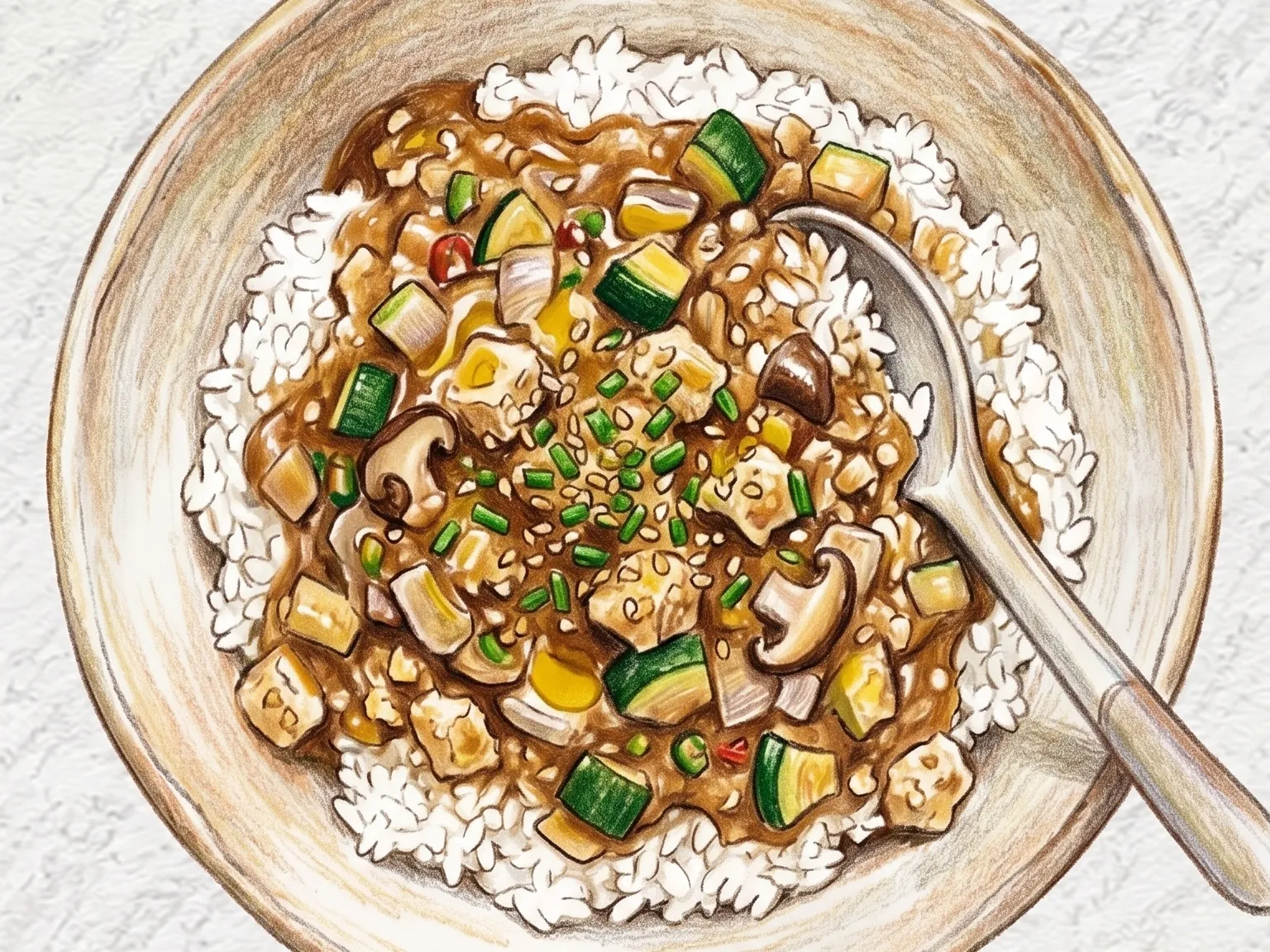
Korean Vegetable Fried Rice
RiceEasy

Korean Vegetable Fried Rice

Carrots, onions, zucchini, and bell peppers are finely diced and tossed with rice in a hot wok, moving fast enough that each grain separates and picks up a light char. The vegetables release just enough moisture to keep the rice from drying out while the high heat ensures the grains stay individually distinct. Soy sauce and sesame oil provide a clean, nutty seasoning that lets the vegetable flavors come through. Topping with a fried egg or a shower of crushed nori turns this simple fried rice into a satisfying meal.

🥗 Light & Healthy Quick
Prep 10minCook 8min2 servings
Korean Seasoned Sea Mustard Sporophyll
Side dishesEasy

Korean Seasoned Sea Mustard Sporophyll

Miyeokgwi-muchim is seasoned sea mustard sporophyll - the ruffled, root-adjacent part of the miyeok plant - blanched and tossed in a sweet-sour-spicy dressing. Though it comes from the same seaweed as regular miyeok-muchim, the sporophyll is a distinctly different eating experience. Its thicker, corrugated surface gives a chewy, almost bouncy texture compared to the silky softness of seaweed leaves. This particular part of the plant contains higher concentrations of alginic acid and fucoidan than the leaf portions, which has drawn attention in Korean health-food circles. After rinsing in cold water, blanching for exactly thirty seconds is ideal - going longer turns the texture rubbery. The gochugaru-soy-vinegar-sugar dressing tames the marine saltiness and builds a bright sweet-sour-spicy flavor profile that stimulates appetite alongside rice. Chilling for ten minutes before serving lets the dressing adhere to the bumpy surfaces and leaves a cool finish. At around fifty-two kilocalories per serving, it is a go-to diet banchan. Pre-trimmed miyeokgwi is widely available at Korean markets and online.

🥗 Light & Healthy🏠 Everyday
Prep 12minCook 3min4 servings
Korean Sweet Glutinous Rice
RiceMedium

Korean Sweet Glutinous Rice

Glutinous rice is soaked, steamed, and dressed with a mixture of soy sauce, sesame oil, and honey, then studded with jujubes, chestnuts, and pine nuts before a second steaming. The double-steaming process gives the rice a dense, chewy stickiness while the soy sauce penetrates each grain and tints it a deep amber. Jujubes lend a natural caramel-like sweetness, chestnuts add a crumbly, starchy contrast, and pine nuts contribute a subtle oiliness that enriches the overall taste. Traditionally prepared for the first full moon festival, yakbap is equally enjoyable as an everyday snack or packed lunch.

🎉 Special Occasion
Prep 30minCook 45min4 servings
Korean Sweet Stir-Fried Anchovies
Side dishesEasy

Korean Sweet Stir-Fried Anchovies

Sweet stir-fried anchovies coat tiny dried anchovies in a glossy soy-syrup glaze without any chili heat, making it the classic lunchbox banchan for Korean children who cannot yet tolerate spice. The anchovies must be dry-toasted in an ungreased pan for about two minutes before any seasoning is added: this drives off residual moisture, raises a nutty aroma, and sets up the crispy texture that separates a well-made batch from a soggy, fishy-smelling one. Soy sauce, rice syrup or oligosaccharide, and sugar are then stirred in over low heat, and the single most important moment in the recipe is when the syrup first begins to bubble. The heat must drop immediately at that point, because syrup that overcooks transforms into a brittle, tooth-cracking candy once it cools. Generous sesame seeds tossed in at the end add nuttiness and a visual finish, and once the batch cools completely, the anchovies clump lightly together into loose clusters that are easy to pick up in one or two bites. Although made from the exact same ingredient, this sweet glaze version has a completely different character from the spicy gochujang version of the same dish, and many Korean households keep both prepared simultaneously, rotating between them throughout the week.

🏠 Everyday🍱 Lunchbox
Prep 5minCook 10min4 servings
Korean Young Radish Barley Bibimbap
RiceEasy

Korean Young Radish Barley Bibimbap

Barley-mixed rice has a hearty, popping texture and a nutty flavor that pairs naturally with the crisp, tart bite of freshly made young radish kimchi. The crunchy stems of the kimchi contrast with the chewy barley grains, and stirring in gochujang ties the tangy, spicy, and sweet elements together into a cohesive bowl. A spoonful of sesame oil folded in at the end adds a roasted fragrance that lifts the overall depth of flavor. This bibimbap is especially refreshing in the summer months as a cooling, appetite-stimulating meal.

🏠 Everyday🍱 Lunchbox
Prep 18minCook 22min2 servings
Korean Seasoned Shepherd's Purse
Side dishesEasy

Korean Seasoned Shepherd's Purse

Naengi-namul-muchim is a fragrant spring banchan made from shepherd's purse (naengi), a wild green foraged from rice paddy edges and field margins in early spring. The root is eaten along with the leaves - its distinctive earthy, almost truffle-like aroma defines the dish, and discarding it halves the point of using naengi at all. Cleaning the roots of clinging soil is the most time-consuming prep step, requiring careful scraping with a knife. Blanching must stay under thirty seconds to preserve the volatile aromatics, with immediate cold-water shocking to lock in color and fragrance. Doenjang, soup soy sauce, minced garlic, and sesame oil form the dressing - the fermented paste's earthy depth meets the herb's soil-scented fragrance to create a layered spring flavor. Doenjang rather than gochujang is the traditional choice because chili heat would overwhelm naengi's delicate perfume. Available at Korean markets only during the brief February-to-March window, it is one of the most anticipated seasonal namul.

🏠 Everyday🍱 Lunchbox
Prep 15minCook 3min4 servings
Korean Salmon Rice Bowl (Marinated Raw Salmon over Warm Rice)
RiceEasy

Korean Salmon Rice Bowl (Marinated Raw Salmon over Warm Rice)

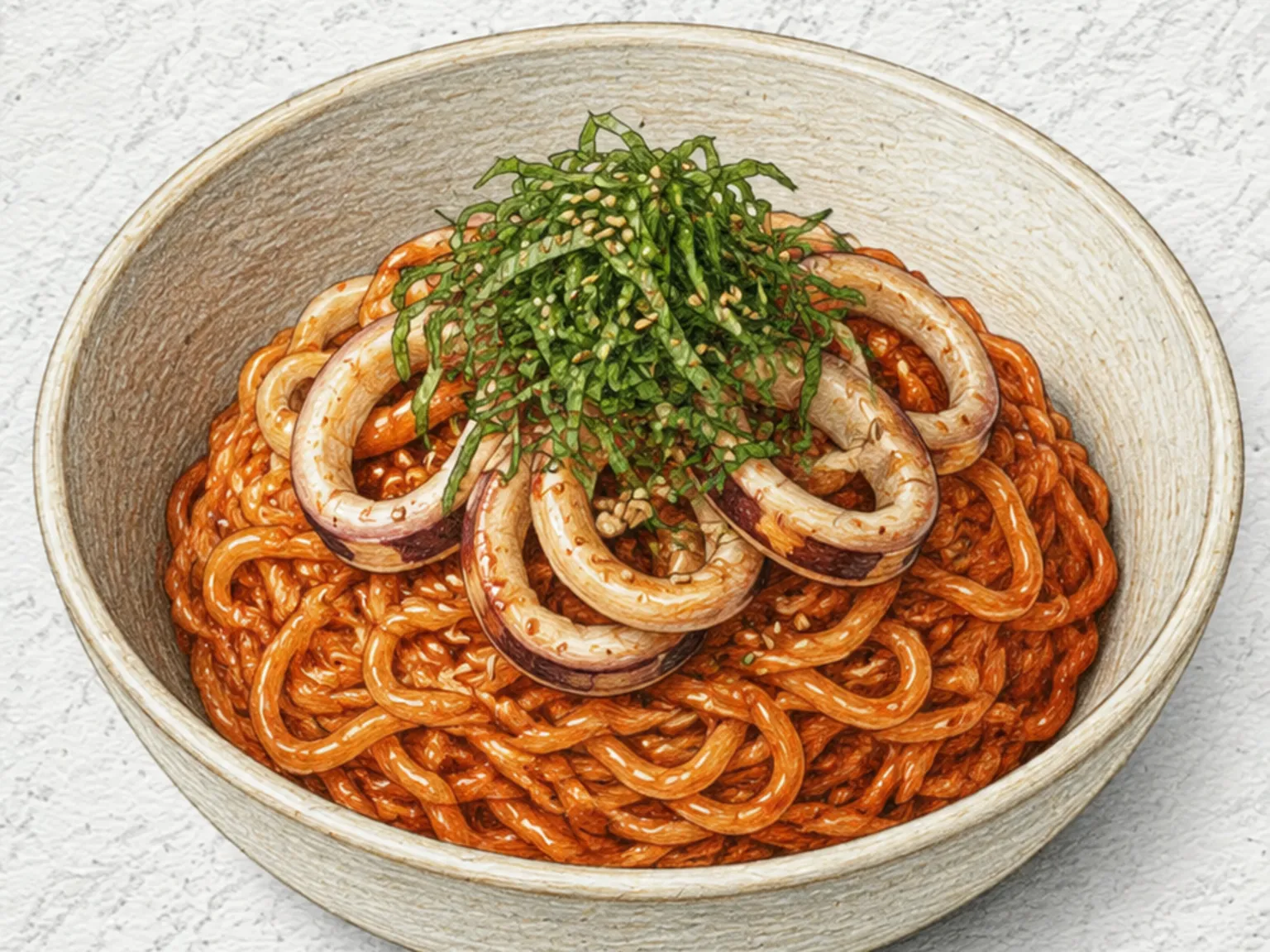
Preparing a bowl of Yeoneo deopbap begins with slicing sashimi-grade salmon and tossing it in a light dressing of soy sauce, sesame oil, and wasabi. This Korean adaptation of Japanese donburi relies on a delicate balance where the seasoning merely coats the fish rather than overwhelming its natural texture. Placing these seasoned slices over warm steamed rice creates a temperature contrast that slightly firms the bottom of the fish while keeping the center raw and buttery. Topping the bowl with shredded perilla leaves or nori adds an earthy, oceanic scent that balances the natural fats of the salmon. For a sharper profile, the amount of wasabi can be increased, or a few drops of lemon juice can be added to the soy base to provide a bright acidity. High in omega-3 fatty acids and protein, this dish also contains astaxanthin, making it a nutritious choice that demands the highest level of freshness. Including sliced avocado offers a creamy element, while a spoonful of salmon roe adds small pops of saltiness. Because the residual heat from the rice gradually cooks the fish, assembling the bowl right before eating ensures the salmon maintains its intended consistency and stays fresh on the palate.

🏠 Everyday Quick
Prep 15minCook 5min2 servings
Korean Cucumber Doenjang Salad
Side dishesEasy

Korean Cucumber Doenjang Salad

Oi-doenjang-muchim dresses cucumber in a doenjang-based seasoning - a milder alternative to the gochugaru-forward oi-muchim, foregrounding the fermented soybean paste's savory depth over spicy heat. Cucumber is sliced into half-moons or diagonal cuts and salted for five minutes to draw out moisture; skipping this step dilutes the dressing into a watery puddle. The seasoning blends doenjang, soup soy sauce, minced garlic, sesame oil, and sesame seeds, with the doenjang quantity being the critical ratio - too much and the dish is aggressively salty, too little and the cucumber's blandness dominates. Roughly one tablespoon of doenjang to two cucumbers is the working proportion. The cucumber's cool moisture meets doenjang's deep umami to produce a combination that is refreshing yet substantial enough to anchor a rice meal, especially in summer. This banchan must be eaten promptly after assembly - over time, osmotic pressure draws water from the cucumber and collapses its crunch. Served alongside grilled meat, the doenjang's savoriness complements the char while cleansing the palate.

🏠 Everyday🍱 Lunchbox
Prep 10min2 servings
Korean Lotus Root Rice (Steamed Rice with Crunchy Lotus Root Slices)
RiceEasy

Korean Lotus Root Rice (Steamed Rice with Crunchy Lotus Root Slices)

Yeongeun-bap is Korean rice cooked together with sliced lotus root, which keeps a distinctive crunch even after steaming. As the lotus root heats, its starch turns slightly sticky on the surface while the core stays firm, giving each bite a layered texture. A simple seasoning sauce of soy sauce and sesame oil is mixed in at the table. The lotus root's natural mild sweetness permeates the entire pot, making this a satisfying one-bowl meal on its own.

🏠 Everyday
Prep 15minCook 35min3 servings