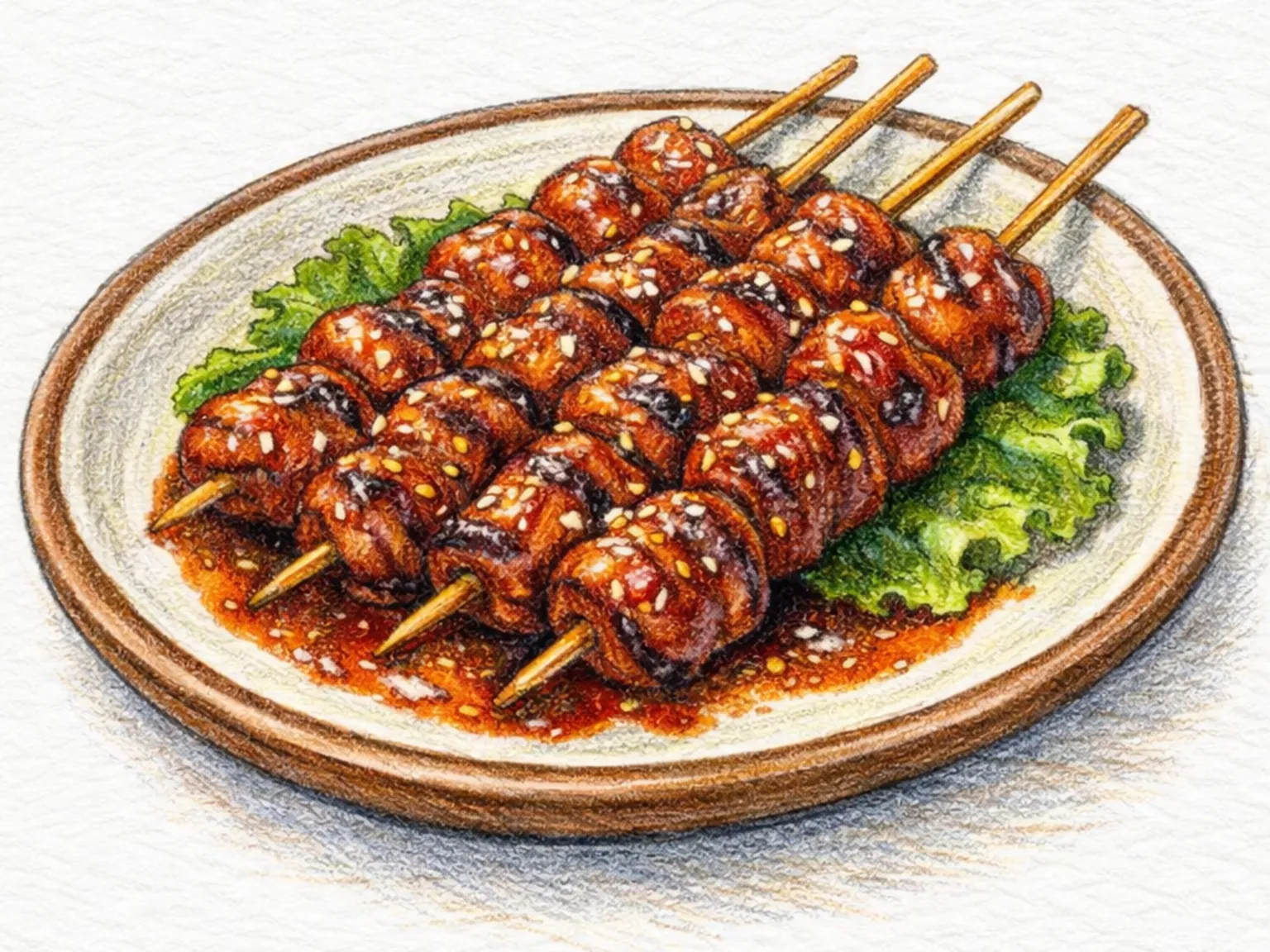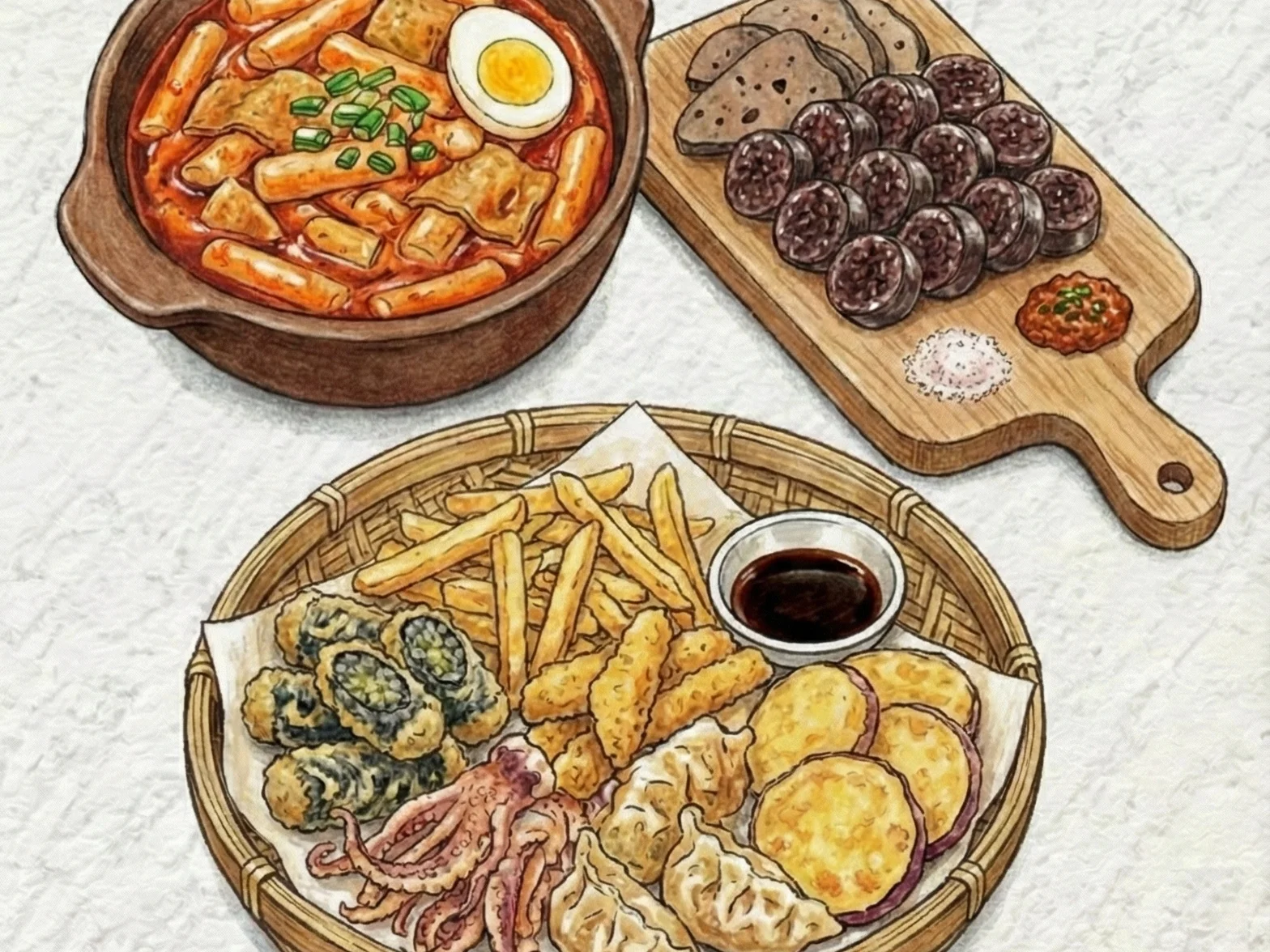
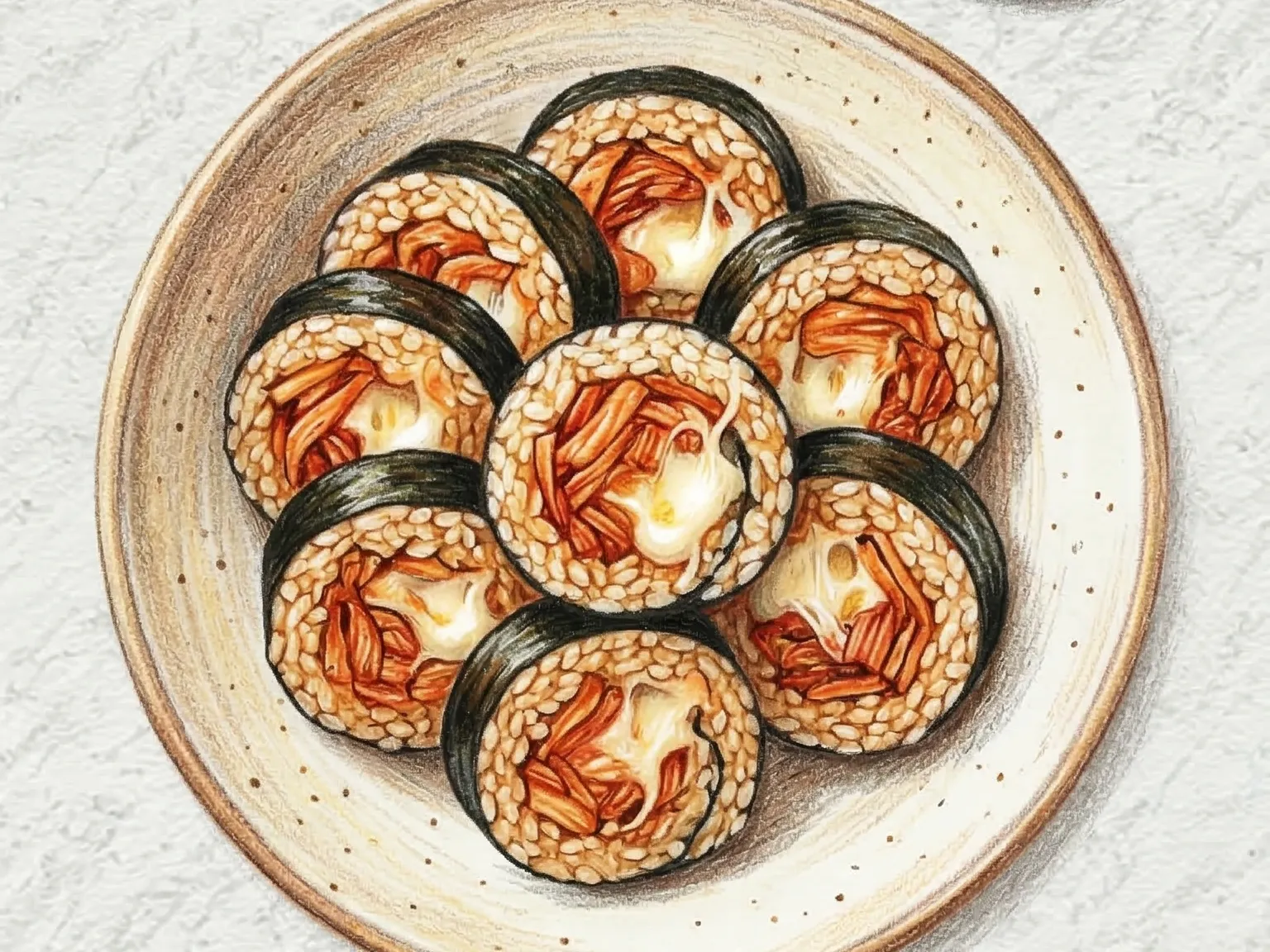
Street food
Street food

Street food Recipes

137 recipes. Page 3 of 6

Korean street food (bunsik) covers beloved snacks like tteokbokki (spicy rice cakes), sundae (blood sausage), fish cakes, and fried treats. These are the foods Koreans grew up eating at market stalls and snack shops after school - simple, affordable, and deeply satisfying.

A sweet-spicy gochujang sauce for tteokbokki, crispy gimmari (seaweed rolls), and steaming fish-cake broth - bunsik proves that the best flavors often come from the simplest ingredients. Every recipe here can be made at home with ease.

Korean Oil Tteokbokki (Dry-Stir-Fried Rice Cakes in Chili Soy Glaze)
Street food Easy

Korean Oil Tteokbokki (Dry-Stir-Fried Rice Cakes in Chili Soy Glaze)

Gireum-tteokbokki is a dry-style tteokbokki where rice cakes are stir-fried in oil and coated with a concentrated paste of gochugaru, soy sauce, sugar, and garlic - no broth involved. Blooming the chili flakes briefly in oil draws out their nutty, toasted aroma rather than raw heat, and the soy sauce and sugar build layered sweetness and umami on top of that base. Without liquid, the seasoning clings tightly to each rice cake's surface. The key technique is restraint with stirring: letting each rice cake sit undisturbed long enough to develop a lightly crisped exterior while the inside stays chewy creates a dual texture that broth-based versions cannot replicate. Green onion and sesame seeds added at the end provide fresh fragrance and textural contrast against the rich coating. The seasoning should be applied generously so the flavors penetrate past the surface rather than sitting only on the outside. Believed to have originated in school-front snack shops in 1970s and 1980s Seoul, gireum-tteokbokki is milder than gochujang versions and accessible to those who find the spicier style too intense.

🧒 Kid-Friendly ⚡ Quick
Prep 10min Cook 12min 2 servings
Korean Gochujang Bibim Udon Cup (Spicy Mixed Udon Cup)
Street food Easy

Korean Gochujang Bibim Udon Cup (Spicy Mixed Udon Cup)

Gochujang bibim udon cup is a cold-tossed udon noodle dish served in a cup, dressed with a sauce built from gochujang, soy sauce, oligosaccharide syrup, vinegar, and sesame oil. The fermented heat of gochujang meets the acidity of vinegar to create a bright, tangy-spicy flavor profile that avoids sharpness, and the viscous syrup gives the sauce enough body to cling evenly to the thick udon strands. Raw julienned cabbage and carrot are folded in without cooking, adding a snappy crunch that contrasts the soft noodles. Cooling the noodles completely before tossing is a key step that prevents the sauce from clumping and ensures even distribution throughout the cup. The handheld cup format suits street food settings, and additional toppings such as a soft-boiled egg or seasoned seaweed can elevate it into a fuller meal.

🌙 Late Night ⚡ Quick
Prep 12min Cook 8min 2 servings
Korean Gochujang Honey Dakgangjeong
Street food Medium

Korean Gochujang Honey Dakgangjeong

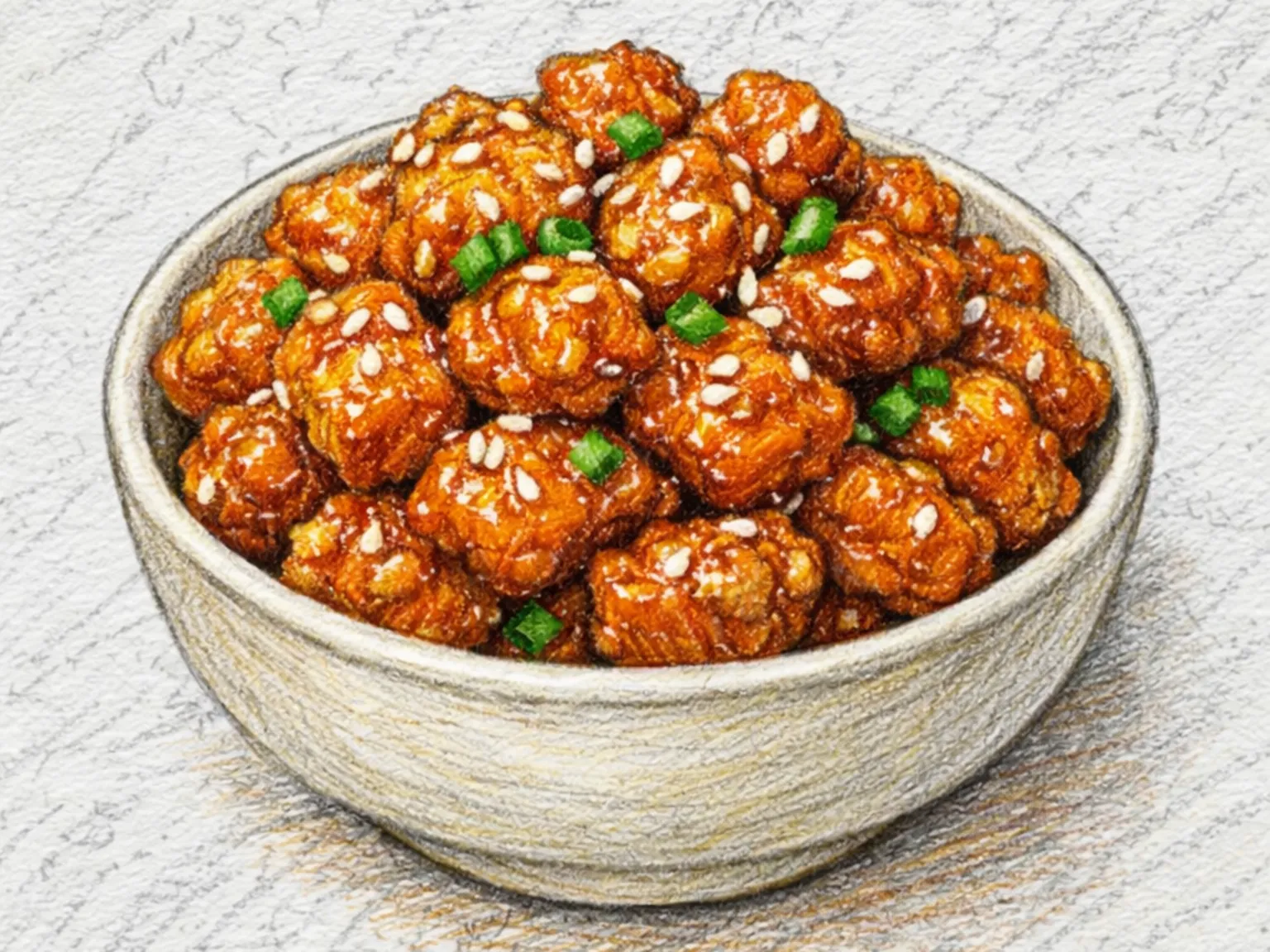
Gochujang honey dakgangjeong starts with bite-sized boneless chicken thigh pieces coated in potato starch and double-fried, first at 170 degrees Celsius and then at 180 degrees, before being tossed in a glaze of gochujang, honey, soy sauce, and garlic. The two-stage frying builds a rigid starch shell that stays crunchy even after the sauce is applied, while the natural fat in thigh meat keeps the interior juicy throughout the process. Gochujang's fermented heat contrasts directly with honey's thick sweetness, and soy sauce anchors the salt level so neither sweetness nor spice dominates. Garlic sharpens the aroma of the sauce, and sesame seeds scattered at the end add a finishing layer of nuttiness. The sauce must be reduced quickly on high heat, under one minute, to achieve a glossy coat without burning. The chicken should be sauced and eaten immediately after frying for the maximum contrast between the crackling crust and the tender, glazed interior.

🧒 Kid-Friendly 🏠 Everyday
Prep 20min Cook 20min 4 servings
Korean Meat Mandu (Pork and Beef Dumplings with Tofu Filling)
Street food Medium

Korean Meat Mandu (Pork and Beef Dumplings with Tofu Filling)

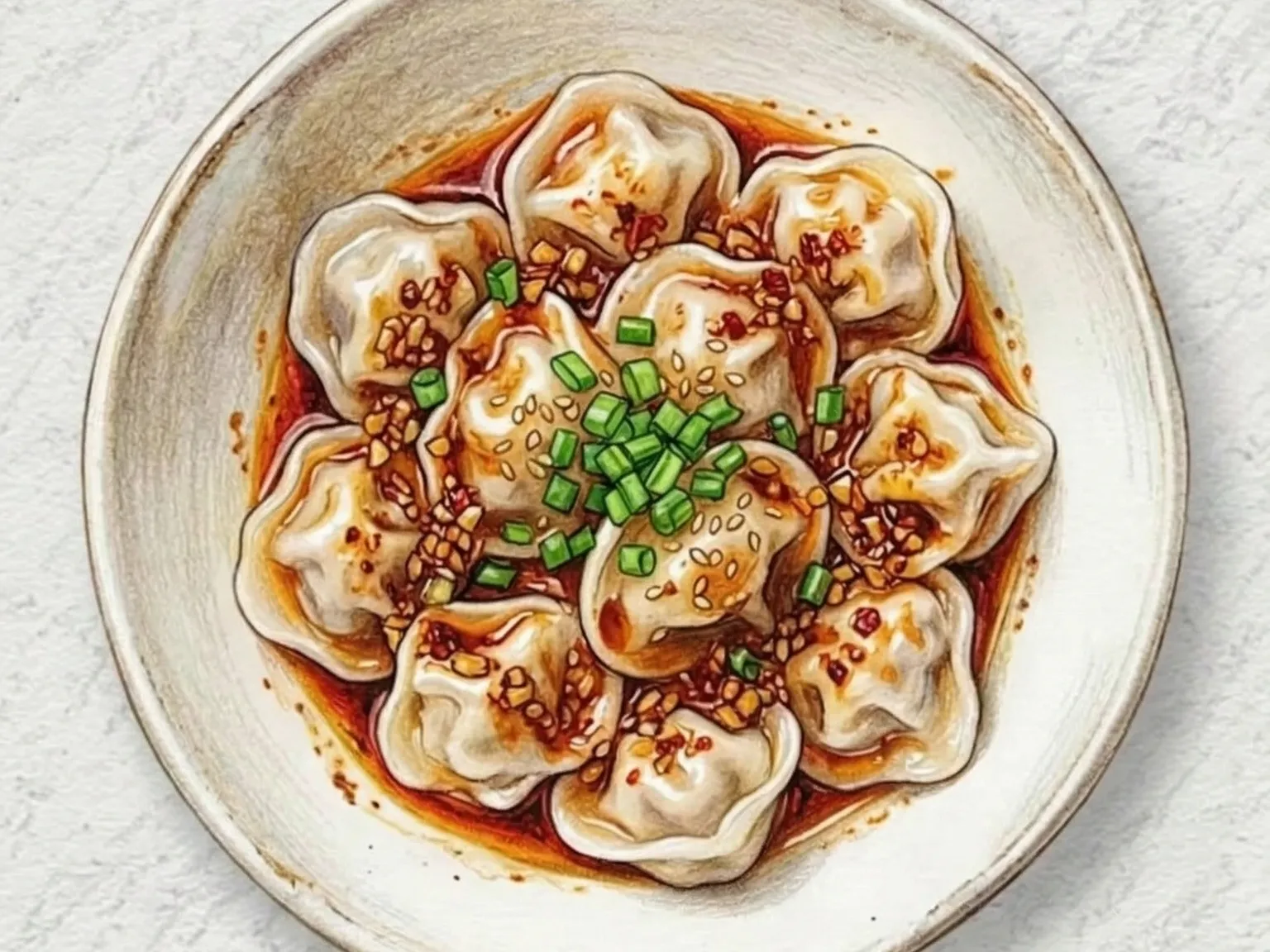
Gogi-mandu is a Korean meat dumpling filled with ground pork, ground beef, squeezed tofu, onion, scallion, and garlic, seasoned with soy sauce and sesame oil. Kneading the filling in a single direction develops myosin bonds in the meat proteins, giving the mixture a sticky consistency that helps it hold together and retain moisture during cooking. The pork contributes fat and a mild sweetness, the beef adds a deeper, more savory flavor, and the tofu, wrung dry before mixing, softens the overall texture and prevents the filling from becoming too dense. These dumplings can be steamed in a basket for a clean, light result, or cooked using the steam-then-fry method: a splash of water in a covered pan brings them through with heat, then the lid is removed and the bottoms are crisped directly on the pan surface, producing a golden, crunchy base that contrasts with the soft filling above.

🧒 Kid-Friendly 🌙 Late Night
Prep 30min Cook 15min 4 servings
Korean Fried Sweet Potato
Street food Easy

Korean Fried Sweet Potato

Goguma-twigim is a beloved Korean street snack found at tteokbokki stalls and bunsik shops across the country. Sweet potato rounds sliced to 0.5 cm are coated in a light batter and fried at 170 degrees Celsius until the crust turns crisp and golden. Ice-cold water mixed into the batter is the essential technique here: low temperature slows gluten development, keeping the coating thin and delicate so it does not overpower the natural flavor of the potato beneath. The moment the rounds come out of the oil, the heat has concentrated the sweet potato's inherent sugars just inside the shell, and a light sprinkle of salt at serving sharpens that sweetness into something more vivid. This humble snack has remained a fixture of Korean street food culture for generations, enjoyed equally by children and adults.

🌙 Late Night ⚡ Quick
Prep 10min Cook 10min 2 servings
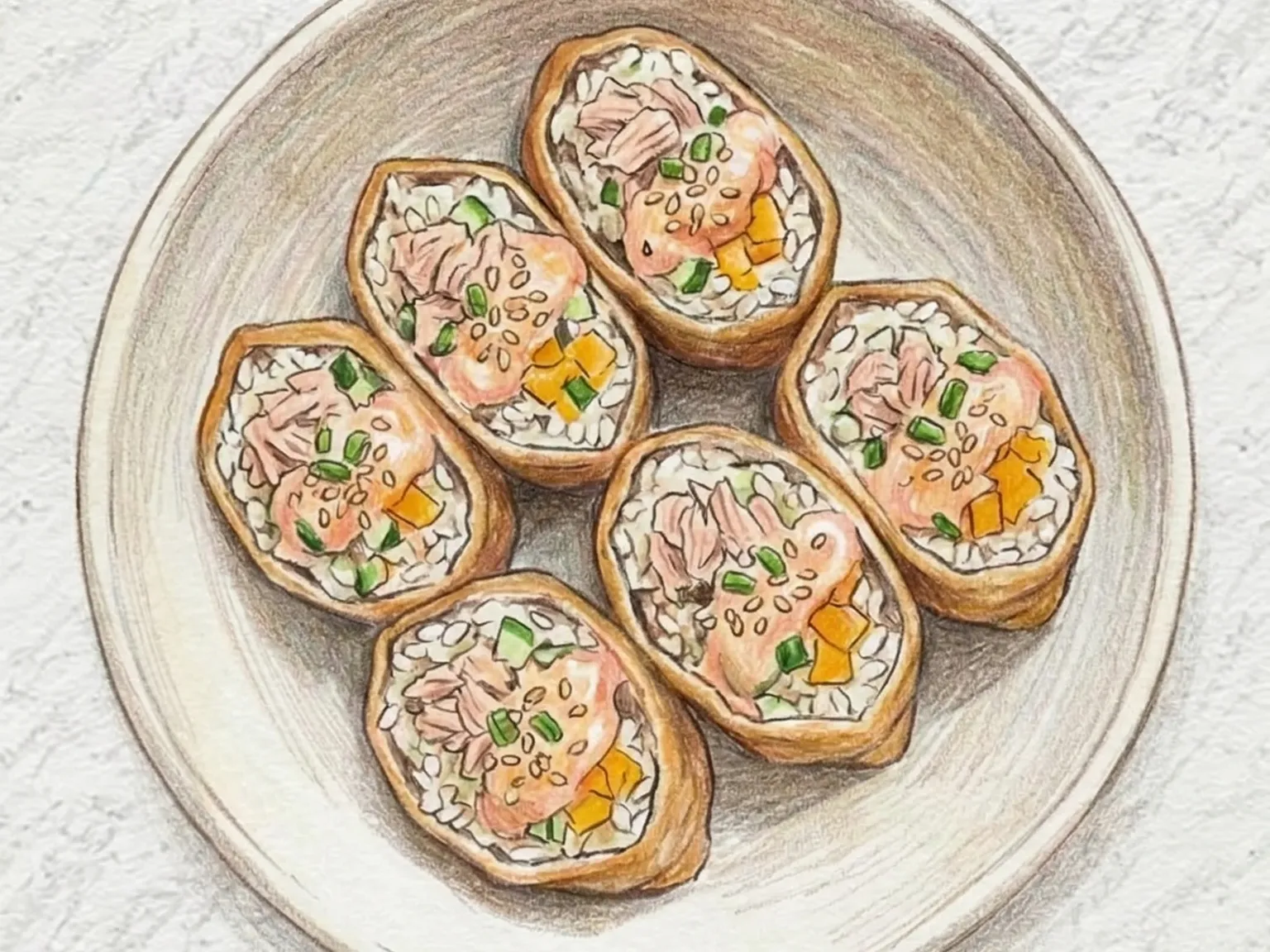
Korean Chrysanthemum Bean Cakes
Street food Medium

Korean Chrysanthemum Bean Cakes

Gukhwa-ppang is a Korean winter street pastry baked in a chrysanthemum flower-shaped cast-iron mold, filled with sweet red bean paste at the center. The batter of flour, baking powder, sugar, milk, egg, and melted butter is stirred together with minimal mixing to keep gluten development low, then poured to fill only one-third of the mold before a spoonful of bean paste is placed in the middle and covered with more batter, ensuring the filling sits centered in the finished pastry. Cooking over medium-low heat for three to four minutes on each side produces a golden crust with sharply defined flower-petal ridges pressed into the surface, while the bean paste inside stays soft and flows when the pastry is broken apart. It is often grouped with bungeoppang as a sibling street food, but the dough ratio is heavier and the shell is noticeably thicker, giving it a stronger bread-forward flavor and a slightly smaller proportion of filling to outer crust. The pastry is best eaten immediately after cooking, while the exterior is still crisp and the paste still hot. In recent years vendors have begun filling gukhwa-ppang with cream, chocolate, and sweet potato paste as alternatives to the traditional red bean filling.

🧒 Kid-Friendly 🏠 Everyday
Prep 20min Cook 18min 4 servings
Korean Soupy Tteokbokki (Rice Cakes in Spicy Gochujang Broth)
Street food Easy

Korean Soupy Tteokbokki (Rice Cakes in Spicy Gochujang Broth)

Gukmul-tteokbokki is a soup-forward version of tteokbokki in which cylindrical rice cakes and fish cakes are simmered in a kelp-anchovy broth seasoned with gochujang, gochugaru, soy sauce, and sugar. Unlike dry or stir-fried versions, the generous broth saturates each rice cake from the outside in, while the fish cakes release their own savory juices into the liquid as they cook, building the stock to a richer baseline. Eight to ten minutes of medium-heat simmering leaves the exterior of each rice cake soft and yielding while the core stays chewy. Scallions go in at the end to cut through the heat with a bright, grassy note. The broth left over after the rice cakes and fish cakes are gone is widely regarded as the most prized part of the dish: regulars stir in a bowl of rice or drop in ramyeon noodles to make sure none of it goes to waste.

🧒 Kid-Friendly ⚡ Quick
Prep 10min Cook 20min 2 servings
Korean Gullim Mandu (Round Dumplings)
Street food Medium

Korean Gullim Mandu (Round Dumplings)

Gullim-mandu is a Korean dumpling made without wrappers. The filling of ground pork, pressed tofu, garlic chives, onion, and soaked glass noodles is kneaded firmly until cohesive enough to be rolled into balls by hand. Each ball is then coated in potato starch or cornstarch, rolled until the surface is evenly covered, and placed in a steamer. As steam penetrates the starch coating, it sets into a translucent, chewy skin that is far thinner than standard dumpling wrappers yet carries a distinct springy resistance when bitten through. A second coat of starch before steaming produces a thicker shell with a more pronounced chew. Inside, the pork juices mingle with the sharp fragrance of garlic chives while the glass noodles contribute a soft, yielding bite. The traditional accompaniment is a dipping sauce of soy sauce, rice vinegar, sesame oil, and minced cheongyang chili. Gullim-mandu can also be dropped into tteok-guk or mandu-guk, where the starch on the exterior gradually dissolves into the broth and thickens it lightly over time.

🧒 Kid-Friendly 🌙 Late Night
Prep 25min Cook 15min 4 servings
Korean Roasted Sweet Potato
Street food Easy

Korean Roasted Sweet Potato

Gun-goguma is a Korean winter snack made by roasting whole sweet potatoes in their skins at 200 degrees Celsius for 35 to 40 minutes. The slow heat converts the starches inside the potato into maltose, concentrating the sweetness and producing a sticky, honey-like layer just beneath the skin. Lower-temperature roasting is preferred over high heat because it extends the window of enzyme activity, allowing sugars to accumulate gradually rather than burning off at the surface. Korean pumpkin sweet potatoes, called hobak-goguma, have a higher moisture content and more pronounced natural sweetness, so they turn creamy and almost runny when fully roasted. Resting the potatoes at room temperature for a day or two before roasting further boosts sugar levels, since starch conversion continues during storage. The potato is satisfying on its own, but adding a pat of butter or a dusting of cinnamon layers in a rich, aromatic contrast. Eating the skin along with the flesh adds fiber and a slightly earthy counterpoint to the pure sweetness of the interior.

🧒 Kid-Friendly 🏠 Everyday
Prep 5min Cook 40min 2 servings
Korean Roasted Chestnuts
Street food Easy

Korean Roasted Chestnuts

Gunbam is Korean roasted chestnuts, a seasonal street food sold from carts across Korea from late autumn through early spring. An X-shaped cut is scored through the shell of each chestnut before roasting. This cut serves a structural purpose: it creates a vent for steam to escape during cooking, preventing the shell from cracking unpredictably. Roasting at 210 degrees Celsius for 20 to 25 minutes converts the starches inside to sugars, deepening the sweetness and building a toasty, nutty flavor that plain raw chestnut does not have. Soaking the chestnuts in salted water for 20 to 30 minutes before roasting cleans any debris from the surface and imparts a faint background seasoning. Wrapping the freshly roasted batch in a dry cloth for five minutes while they rest lets residual steam work between the outer shell and the thin inner skin, making the inner skin easier to peel. The chestnuts should be eaten hot, while the flesh is still floury and crumbles gently against the tooth. Tossed with a little butter and sugar while warm, they take on a sheen and extra sweetness that amplifies their fragrance.

🧒 Kid-Friendly 🏠 Everyday
Prep 10min Cook 25min 2 servings
Korean Egg Dumpling Pancakes
Street food Easy

Korean Egg Dumpling Pancakes

Gyeran-mandu is a Korean market-style egg dumpling pancake made by mixing finely chopped cabbage, scallion, and soaked glass noodles into beaten egg, then pan-frying the mixture into flat, palm-sized rounds. Rather than using a traditional flour wrapper, the egg itself forms the outer shell that binds and seals the filling. The patties cook slowly over medium-low heat, giving the surface time to turn lightly golden while the interior stays moist and tender. Squeezing the excess moisture from the vegetables before mixing is the most critical step - too much water and the patties spread and lose their shape before the egg can set. Glass noodles must be cut into short lengths so the rounds hold together and flip without falling apart. A thin layer of oil in the pan and a lid placed on top help the egg cook evenly without burning. Dipping the finished patties into a sauce of soy sauce, vinegar, and a pinch of gochugaru brings a salty-tangy contrast that complements the mild richness of the egg.

🧒 Kid-Friendly ⚡ Quick
Prep 12min Cook 10min 2 servings
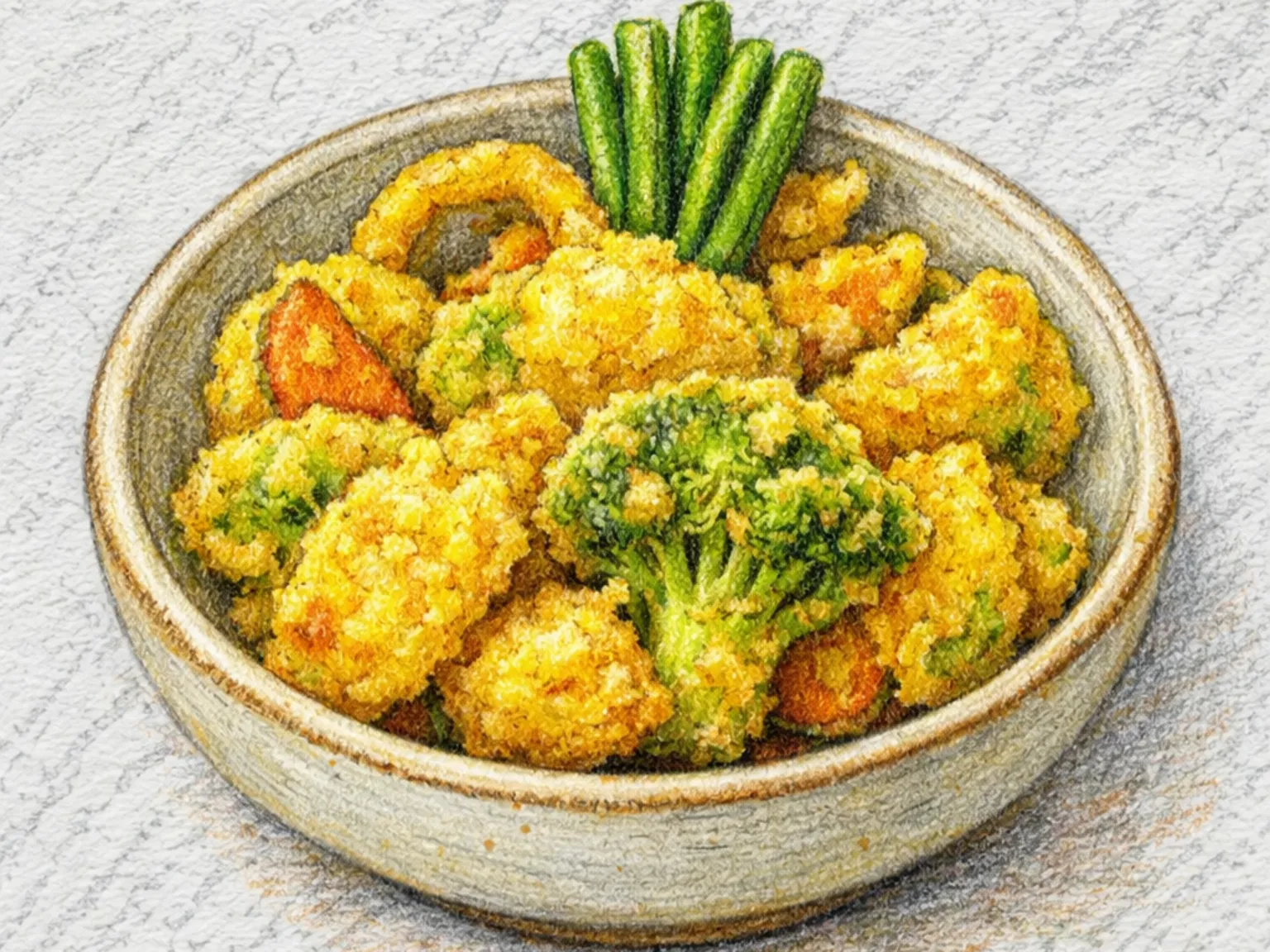
Korean Egg Roll Skewers (Layered Vegetable Egg Roll on Skewers)
Street food Easy

Korean Egg Roll Skewers (Layered Vegetable Egg Roll on Skewers)

Gyeran-mari kkochi is a Korean egg roll skewer made by folding finely diced carrot, garlic chives, and onion into beaten egg, then rolling the mixture in stages in a rectangular pan to create a tightly layered spiral. The beaten egg is poured into the pan in three separate additions, each addition rolled over and wrapped around the previous layer before the next is poured in - a technique that builds the internal spiral visible when the roll is sliced. Low heat from start to finish is not a preference but a requirement: if the heat climbs too high, the egg sets too quickly and tears during rolling rather than yielding to the spatula. Adding milk at roughly ten percent of the total egg volume relaxes the protein structure so the finished roll stays soft and moist even after cooling, rather than tightening into a rubbery cylinder. The natural sweetness of the chives and carrot folded inside complements the savory egg without requiring heavy seasoning - salt and a small amount of soy sauce are sufficient. Once the roll is formed, cooled briefly, and sliced into three-centimeter pieces, each piece is threaded onto a bamboo skewer and rolled once more in the pan to develop a light golden surface and lock the skewer in place.

🧒 Kid-Friendly ⚡ Quick
Prep 12min Cook 10min 2 servings
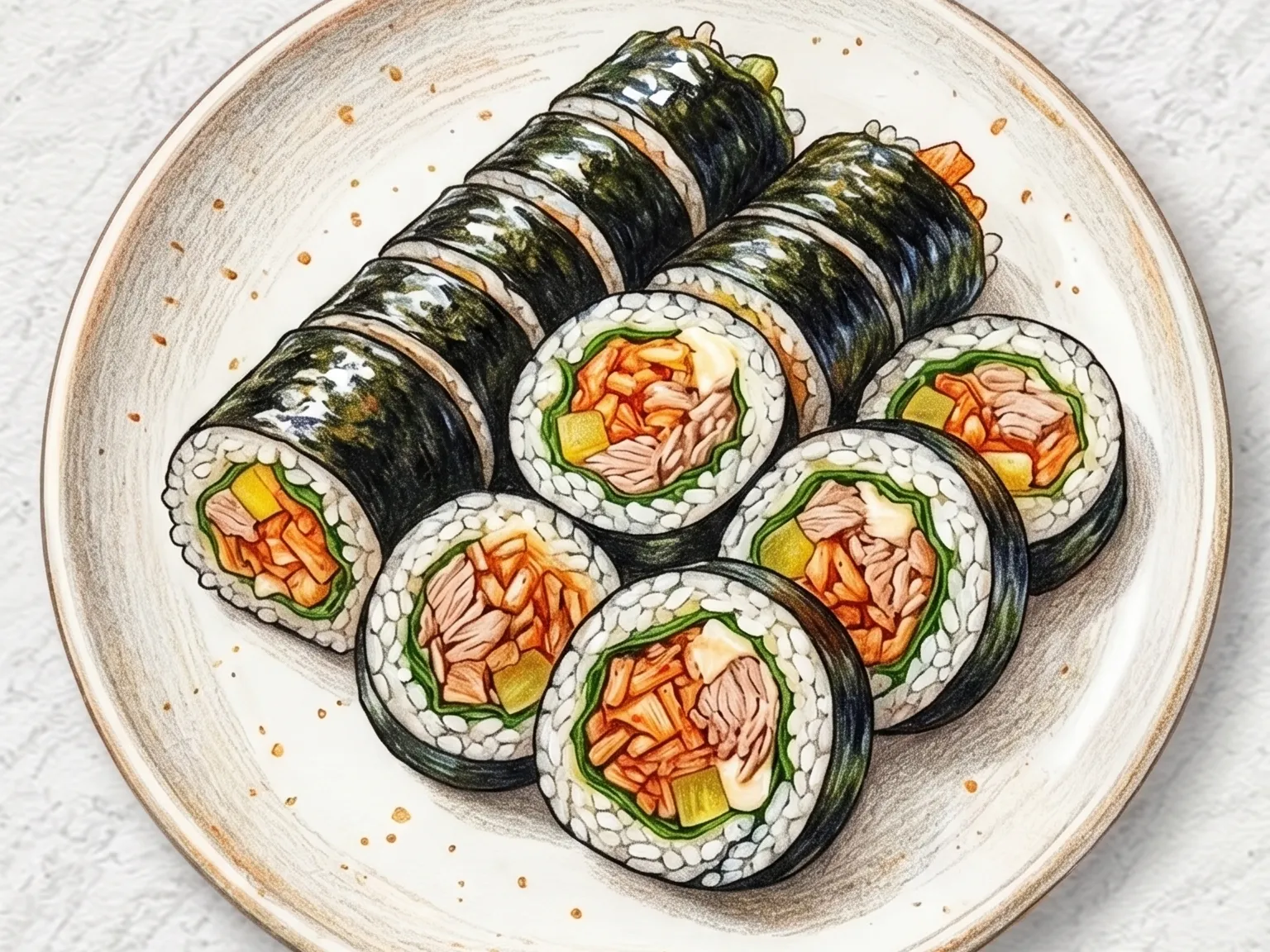
Korean Deep-Fried Egg (Battered Boiled Egg with Crispy Golden Shell)
Street food Easy

Korean Deep-Fried Egg (Battered Boiled Egg with Crispy Golden Shell)

Gyeran-twigim is a Korean street snack of peeled boiled egg coated in a thin cold-water batter and fried at 170 degrees Celsius until the shell turns golden and crisp. The batter is mixed minimally, just enough to combine the frying powder and cold water without lumps, because a thinner coat lets the egg's own flavor carry through while a heavy coat buries it. When the egg is soft-boiled, the yolk stays semi-liquid inside the crunchy shell, creating a dramatic contrast the moment the outer crust breaks. Hard-boiling produces a crumbly, dry yolk with a dense, satisfying texture instead. A pinch of coarse salt is the only seasoning needed to bring out the egg's natural richness. Dipping the fried egg into the spicy-sweet broth from a bowl of tteokbokki transforms it entirely, as the porous batter absorbs the sauce and takes on the deep, savory-sweet heat of the stew.

🧒 Kid-Friendly 🌙 Late Night
Prep 10min Cook 8min 2 servings
Korean Seafood Tempura (Korean Deep-Fried Seafood)
Street food Medium

Korean Seafood Tempura (Korean Deep-Fried Seafood)

Haemul-twigim is a Korean assorted seafood platter of shrimp, squid, and clams coated in a light cold-water batter and deep-fried until crisp. Each type of seafood requires different prep: shrimp get their back tendons snipped to prevent curling, and squid are scored to stop them from shrinking in hot oil. The cold-water batter produces a thin, delicate coating that highlights the seafood's own flavors rather than burying them. Frying briefly at 170 degrees keeps the interiors from turning rubbery, and the platter is typically served with soy dipping sauce or salt alongside tteokbokki and fish cake soup as part of a bunsik spread. Substituting beer or sparkling water for plain cold water in the batter creates an even lighter, crispier coating, and draining the pieces thoroughly on a rack immediately after frying is what keeps them from going soggy before they reach the table.

🍺 Bar Snacks 🧒 Kid-Friendly
Prep 15min Cook 12min 4 servings
Korean Steamed Buns (Fluffy Yeast-Leavened Buns with Sweet Red Bean)
Street food Medium

Korean Steamed Buns (Fluffy Yeast-Leavened Buns with Sweet Red Bean)

Hoppang is a Korean steamed bun made from yeast-leavened bread flour dough enriched with milk, filled with sweet red bean paste and cooked in a steamer. The dough rises during proofing to become pillowy and elastic, turning moist and springy once steamed. The dense sweetness of the red bean filling seeps into the surrounding bread layer, and placing the sealed side down during steaming prevents splitting. A small addition of salt to the dough sharpens the sweetness and creates a subtle contrast that keeps the flavor from becoming flat. Adequate proofing time is equally important: the longer the dough ferments within reason, the more evenly distributed the gas bubbles, which means a consistently light, open crumb after steaming. It is a classic Korean winter street snack, traditionally sold piping hot from steam carts at outdoor stalls and convenience stores throughout the cold season.

🧒 Kid-Friendly
Prep 45min Cook 15min 4 servings
Korean Corn Dog
Street food Medium

Korean Corn Dog

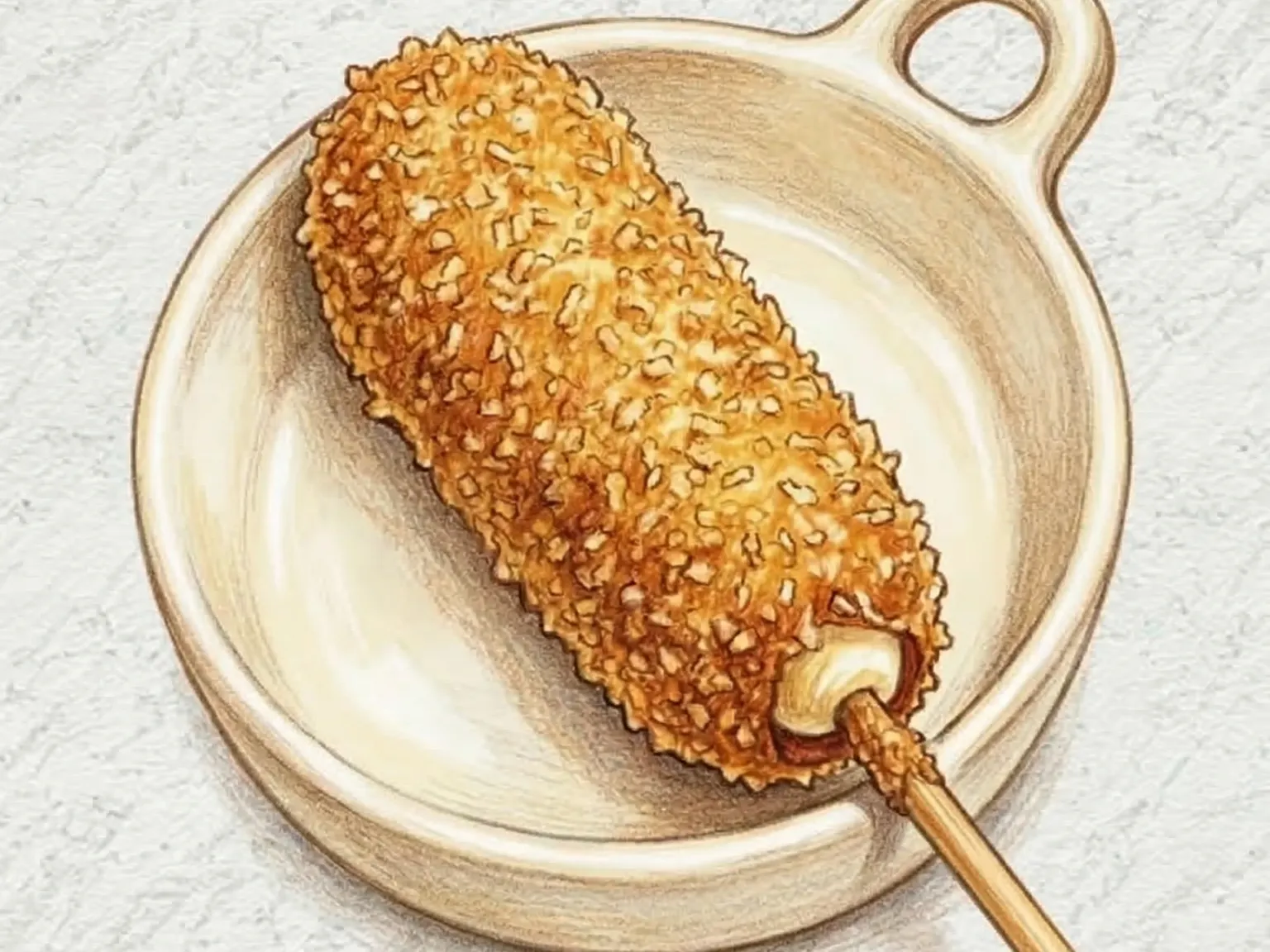
Korean corn dogs are a street food built around two fillings: a sausage, mozzarella cheese, or both together, skewered on a stick and coated in a thick batter made from pancake mix before being rolled in panko breadcrumbs and fried at 170 degrees Celsius. The panko creates a coarse, jagged exterior that shatters on the first bite, while the inner batter layer stays dense and chewy, producing a layered texture that is central to the appeal. Inside, the mozzarella stretches in long pulls as the heat melts it, mixing with the salty sausage in a way that makes each bite unpredictable. Immediately after frying, the hot dog is rolled in granulated sugar, which clings to the crisp surface and creates the signature sweet-and-salty contrast that sets the Korean version apart from American corn dogs. Ketchup and mustard are standard condiments. Variations are common: some stalls use only cheese, others stack rice cake, potato cubes, or shrimp alongside the sausage for extra texture. Korean corn dogs are sold at street stalls, night markets, and bunsik shops.

🧒 Kid-Friendly 🏠 Everyday
Prep 20min Cook 15min 4 servings
Korean Sweet Pancake (Chewy Yeast Dough with Brown Sugar Cinnamon Filling)
Street food Medium

Korean Sweet Pancake (Chewy Yeast Dough with Brown Sugar Cinnamon Filling)

Hotteok is a pan-fried Korean street snack made from yeast-risen dough blended with wheat flour and glutinous rice flour, stuffed with a filling of brown sugar, cinnamon powder, and chopped peanuts. The glutinous rice flour gives the dough a distinctly chewier bite than plain wheat dough, and the brown sugar filling melts into hot syrup during cooking as the dough presses flat against the pan. Flattening the ball with a spatula caramelizes the outer surface to a golden crust while the cinnamon-scented liquid pools inside. A variation called ssiat hotteok incorporates sunflower seeds and mixed grains into the filling, adding a nutty crunch alongside the sweet syrup. Proper fermentation of the dough is critical for a tender, elastic skin; pressing too thin risks the filling leaking onto the pan and burning. Street vendors serve hotteok straight off the griddle in a small paper cup, and the challenge is eating it before the syrup drips out.

🧒 Kid-Friendly 🎉 Special Occasion
Prep 60min Cook 15min 4 servings
Korean Injeolmi Toast (Buttery Toast Topped with Rice Cake and Soybean Powder)
Street food Easy

Korean Injeolmi Toast (Buttery Toast Topped with Rice Cake and Soybean Powder)

Injeolmi toast starts with bread pan-toasted in butter until golden and crisp, then topped with sliced injeolmi rice cake, a generous dusting of roasted soybean powder, and a drizzle of honey. The textural contrast between the brittle toast and the sticky, elastic rice cake is the defining feature of the dish, while the soybean powder adds a toasty, nutty flavor that unifies both components. Pan-frying the injeolmi briefly before placing it on the toast improves its elasticity and creates a light caramelization on the outer surface, changing the chew in a noticeable way. Jocheong or maple syrup can replace honey without altering the overall balance, and a spread of cream cheese beneath the rice cake adds a creamy tanginess that deepens the flavor profile. Store-bought soybean powder becomes considerably more aromatic after a minute in a dry pan over low heat, so a quick toast before dusting makes a real difference. The dish comes together in under ten minutes and has become a common menu item at Korean cafe-style snack bars.

🌙 Late Night ⚡ Quick
Prep 5min Cook 5min 1 servings
Korean Spicy Pork Rice Cup
Street food Easy

Korean Spicy Pork Rice Cup

Jeyuk cupbap is a Korean street-style rice cup topped with pork shoulder stir-fried in gochujang, soy sauce, sugar, and garlic, layered over steamed rice with onion and cabbage. The gochujang-sugar combination forms a spicy-sweet glaze on the pork that caramelizes quickly under high heat, sealing in the meat's juices and creating a lacquered surface. Cabbage goes in last to keep its snap, and the slow-cooked onion contributes a gentle sweetness that tempers the chili heat. Slightly cooled rice keeps the cup from turning soggy, and the tight, portable format makes this a defining item of Korean street-food culture, equally at home in a pojangmacha stall and a school cafeteria. A soft-boiled egg or a slice of processed cheese on top adds a rich, creamy note.

🧒 Kid-Friendly 🌙 Late Night
Prep 18min Cook 14min 2 servings
Korean Jjajang Tteokbokki
Street food Easy

Korean Jjajang Tteokbokki

Jjajang tteokbokki simmers chewy rice cake sticks in a sauce of black bean paste (chunjang) stir-fried with ground pork, onion, and cabbage. The critical first step is pre-frying the chunjang in a generous amount of oil before adding any other ingredients: raw black bean paste carries a flat, slightly bitter taste, but several minutes of stirring in hot oil transforms it, removing the harsh edge and developing the characteristic deep, roasted sweetness that defines the dish. As the sauce reduces and thickens, it clings heavily to each rice cake, delivering an intense hit of savory black bean flavor with every bite. Unlike gochujang-based tteokbokki, there is no chili heat present at all, making this a version accessible to those who find standard tteokbokki too spicy. The ground pork renders fat into the sauce as it cooks, adding richness and making the sauce glossier and heavier in body. Julienned cucumber scattered on top at serving provides a fresh, crunchy contrast that cuts through the richness of the black bean sauce and brightens the overall flavor of the bowl.

🧒 Kid-Friendly 🌙 Late Night
Prep 10min Cook 15min 2 servings
Korean Black Bean Noodles
Street food Medium

Korean Black Bean Noodles

Bunsik-style jjajangmyeon starts with frying chunjang in oil long enough to mellow its raw bitterness and remove any off notes before adding any other ingredients. Ground pork, onion, zucchini, and potato go in together and are stir-fried until fragrant, then water is added and the mixture simmers until the potato softens. A starch slurry is stirred in gradually to bring the sauce to the right consistency. The chunjang's deep salinity and the slowly cooked onion's natural sweetness form the backbone of the sauce, while the potato partially breaks down during simmering and lends body without any additional thickeners. The starch-finished sauce clings heavily to the chewy wheat noodles so every strand carries a dense, rounded hit of flavor. Rinsing the noodles briefly in cold water right after boiling tightens their texture and keeps them from going soft when mixed.

🧒 Kid-Friendly 🌙 Late Night
Prep 20min Cook 20min 2 servings
Korean Steamed Mandu (Pork and Tofu Dumplings Steamed in Half-Moon Shape)
Street food Medium

Korean Steamed Mandu (Pork and Tofu Dumplings Steamed in Half-Moon Shape)

Jjin mandu are Korean steamed dumplings filled with a mixture of ground pork, thoroughly squeezed tofu, soaked glass noodles, garlic chives, and onion, seasoned with soy sauce and sesame oil, then folded into crescent shapes and steamed for 12 to 15 minutes. The steaming method sets these apart from pan-fried or boiled dumplings in a fundamental way: no oil is added, so the wrapper stays moist and clings to the filling rather than crisping, and the filling's own flavors come through without the richness that frying introduces. Removing as much moisture as possible from the tofu before mixing it in is one of the most important steps - tofu that has not been squeezed dry will release liquid during steaming and make the filling watery and the wrapper soggy. Once the moisture is gone, the tofu blends into the pork and gives the filling a softer, more yielding texture than ground meat alone. Garlic chives provide a pungent, grassy bite that naturally cuts through the fat in the pork, while the glass noodles add a slippery, chewy element that contrasts with the tender meat. At the end of steaming, the wrappers turn translucent and the filling becomes just visible through the dough - a reliable sign that the dumplings are fully cooked. A dipping sauce of soy sauce, rice vinegar, and red chili flakes provides acidity and heat that lifts the mild, clean flavor of the filling.

🧒 Kid-Friendly 🏠 Everyday
Prep 30min Cook 15min 4 servings
Korean Grilled Jjondeugi (Sweet Spicy Glazed Wheat Cracker Snack)
Street food Easy

Korean Grilled Jjondeugi (Sweet Spicy Glazed Wheat Cracker Snack)

Jjondeugi-gui is a nostalgic Korean street snack made by gently heating thin pressed-wheat sheets over low heat until they become pliable, then applying a sauce of gochujang, soy sauce, sugar, oligosaccharide syrup, minced garlic, and sesame oil before returning them to the heat. The warming process shifts the sheets from rigid to genuinely chewy, and the sugars in the sauce caramelize slowly against the surface, building a sticky, sweet-spicy glaze that concentrates with each pass. Because the marinade has a high sugar content, applying it in a single thick coat scorches the outside before the heat can work evenly through the sheet. The correct technique is to brush on a thin layer, grill briefly, then repeat two or three times until the glaze has depth and the interior is fully softened. The finished pieces are cut into bite-size sections with kitchen scissors and served immediately while still warm.

🧒 Kid-Friendly 🌙 Late Night
Prep 5min Cook 8min 2 servings
Korean Rice Ball (Sesame Rice Balls with Tuna Mayo Filling)
Street food Easy

Korean Rice Ball (Sesame Rice Balls with Tuna Mayo Filling)

Jumeokbap are Korean rice balls made by seasoning warm cooked rice with sesame oil, salt, and sesame seeds, packing a tuna-mayonnaise filling with finely diced carrot and cucumber into the center, and shaping everything into compact rounds using plastic wrap. Sesame oil coats each grain and lends a nutty fragrance while helping the rice hold together without falling apart. Inside, the salty tuna and creamy mayonnaise blend together while the carrot and cucumber provide short, crunchy breaks in each bite. Shaping through plastic wrap keeps hands clean, produces a consistent size, and makes it practical to assemble in large batches. No reheating is required, and the rice balls hold well at room temperature, which makes them a natural fit for packed lunches, picnics, and outdoor gatherings.

🍱 Lunchbox 🌙 Late Night
Prep 15min 2 servings