Street food
Street food

Street food Recipes

137 recipes. Page 5 of 6

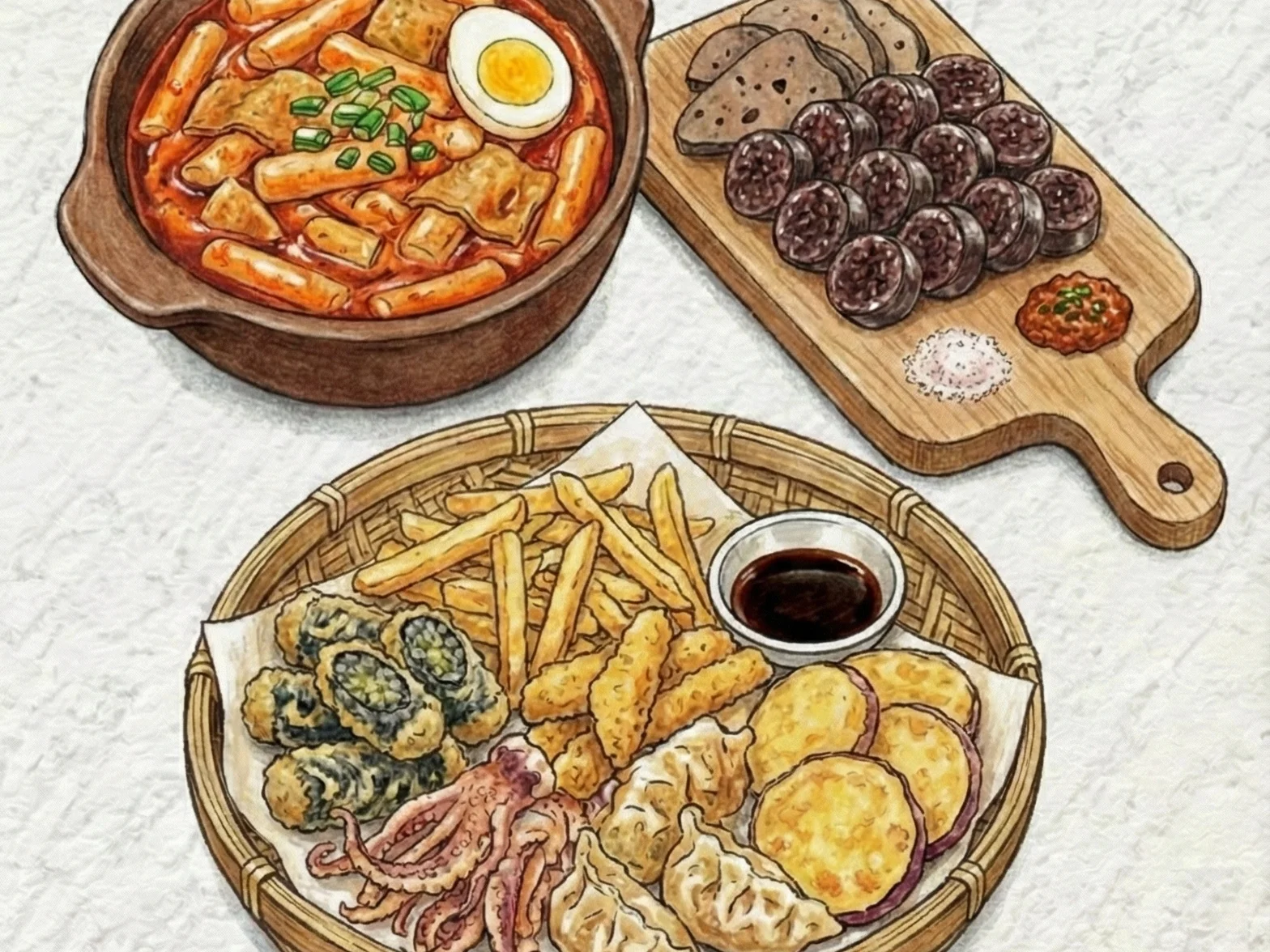
Korean street food (bunsik) covers beloved snacks like tteokbokki (spicy rice cakes), sundae (blood sausage), fish cakes, and fried treats. These are the foods Koreans grew up eating at market stalls and snack shops after school - simple, affordable, and deeply satisfying.

A sweet-spicy gochujang sauce for tteokbokki, crispy gimmari (seaweed rolls), and steaming fish-cake broth - bunsik proves that the best flavors often come from the simplest ingredients. Every recipe here can be made at home with ease.

Old-school Wheat Tteokbokki
Street food Easy

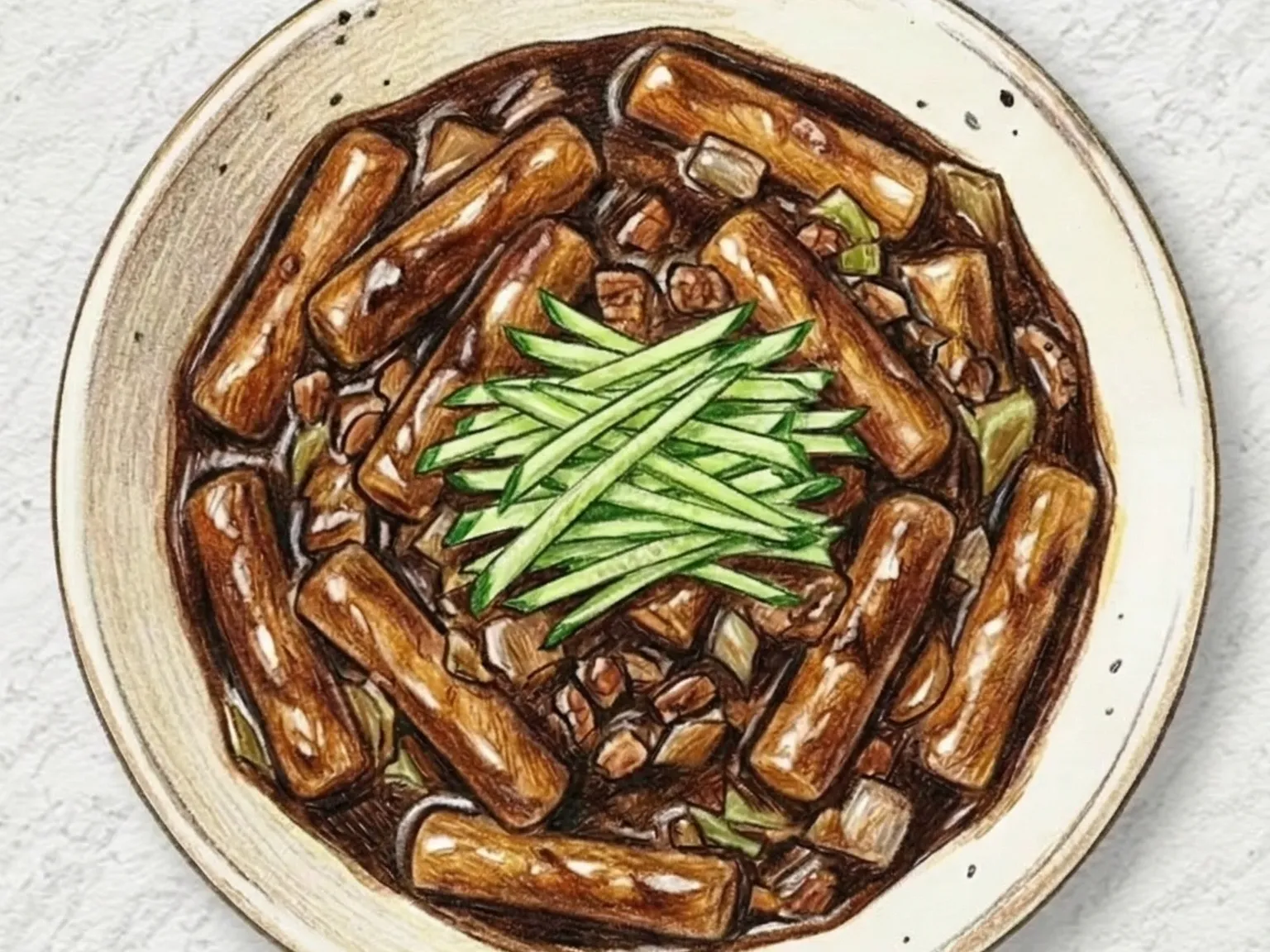
Old-school Wheat Tteokbokki

A nostalgic sweet and spicy tteokbokki featuring chewy wheat rice cakes perfectly soaked in sauce.

🔥 Trending Now ⚡ Quick
Prep 10min Cook 20min 2 servings
Korean Snack Bar Omelet Rice
Street food Easy

Korean Snack Bar Omelet Rice

Finely diced onion, carrot, and ham are stir-fried first to drive off moisture and draw out their natural sweetness, then cold leftover rice is added and tossed over high heat until every grain separates cleanly. Ketchup and Worcestershire sauce season the fried rice with a sweet-tangy balance that defines the bunsik-style flavor. The egg, mixed with a pinch of salt, is poured into a lightly oiled pan over low heat and spread into a thin sheet, then the fried rice is placed at the center and the egg is folded around it while still soft and barely set. Low heat is the key to keeping the omelet smooth and unbroken. The roll is shaped into an oval on the plate and finished with a neat zigzag of ketchup across the top. The warm egg shell traps the heat of the rice inside, keeping the filling moist until the first cut.

🧒 Kid-Friendly 🌙 Late Night
Prep 15min Cook 18min 2 servings
Korean Street Stall Udon (Dashi Broth Fish Cake Noodle Soup)
Street food Medium

Korean Street Stall Udon (Dashi Broth Fish Cake Noodle Soup)

This street stall-style udon starts with kombu cold-steeped in water that is then brought to a gentle boil and simmered for eight minutes to extract its clean, mineral sweetness. The heat is turned off before bonito flakes are added, left to steep for two minutes until the broth turns golden and faintly smoky, then strained clear. Soup soy sauce and regular soy sauce are used together so the broth achieves both the right color and a balanced savory depth, and a small amount of sugar smooths the sharp edge of the soy without making the broth sweet. Fish cake slices are added directly to the hot broth and simmered for roughly five minutes, releasing their own mild umami into the liquid while absorbing the dashi flavor in return. Cooking them much longer causes the texture to deteriorate. Udon noodles are blanched separately in a second pot to wash off surface starch, then transferred to serving bowls while the broth is brought back to a rolling boil. Pouring the hot broth over the noodles at the last moment rather than simmering the noodles in the broth keeps them springy and prevents the soup from turning cloudy. Sliced scallion and dried seaweed flakes go on top as the final garnish.

🧒 Kid-Friendly 🌙 Late Night
Prep 15min Cook 20min 2 servings
Korean Ramen Tteokbokki (Spicy Rice Cake and Ramen Noodle Stir-Fry)
Street food Easy

Korean Ramen Tteokbokki (Spicy Rice Cake and Ramen Noodle Stir-Fry)

A sauce of gochujang, red pepper flakes, soy sauce, and sugar is dissolved in water and brought to a boil, then rice cakes are cooked for five minutes before ramen noodles and fish cake are added for three more minutes. The ramen noodles absorb the spicy tteokbokki sauce, producing a more concentrated flavor than tteokbokki alone, and the dish is finished with green onion and halved boiled eggs once the broth has thickened. Adding half a packet of ramen seasoning powder boosts the overall umami.

🧒 Kid-Friendly 🌙 Late Night
Prep 5min Cook 15min 2 servings
Korean Sweet Spicy Crispy Ramen Snack
Street food Easy

Korean Sweet Spicy Crispy Ramen Snack

Ramyeon-ttang is a Korean snack made by crushing a bag of instant ramen noodles into bite-size shards, deep-frying them at 170 degrees Celsius for one to two minutes, then tossing them quickly in a sweet-spicy glaze of gochujang, ketchup, sugar, and corn syrup, and finishing with sesame seeds. The snack traces back to the 1980s and 1990s, when it was a staple at the small stationery shops and snack kiosks clustered around elementary schools across Korea. Its appeal comes from the combination of deep crunch, sticky glaze, and the familiar flavor of the ramen seasoning packet, all for almost no cost. The coated pieces must be spread out on a tray or silicone mat immediately after glazing, since leaving them in a pile traps steam and softens the crunch within minutes. Air-frying at 180 degrees for five minutes is a lighter alternative that produces a similar result with less oil. Pulling out the seasoning packet before crushing and adding a small amount of it to the glaze when the sauce seems flat is a useful trick for boosting the savory depth.

🧒 Kid-Friendly 🌙 Late Night
Prep 5min Cook 12min 2 servings
Korean Rosé Cup Tteokbokki
Street food Medium

Korean Rosé Cup Tteokbokki

A base of equal parts water and milk is whisked together with gochujang, red chili flakes, sugar, and minced garlic, then brought to a simmer before rice cakes and fish cake are added. The sauce cooks over medium-low heat long enough for the rice cakes to absorb the seasoned liquid and turn glossy. Milk fat wraps around the capsaicin in the chili paste, softening the raw heat while keeping the fermented depth of gochujang intact. Mozzarella cheese is stirred in at the very end, off the heat or with the flame nearly out, so it melts smoothly into the sauce rather than turning stringy and tough. Keeping a consistently moderate flame is the single most important technique here, because high heat causes the milk to break and the sauce to turn grainy. Serving it in a cup format means the portion cooks and cools evenly, and the open top allows excess moisture to evaporate so the final consistency is thick and coating.

🧒 Kid-Friendly 🏠 Everyday
Prep 12min Cook 15min 2 servings
Korean Shrimp Gimbap (Plump Shrimp and Vegetable Seaweed Roll)
Street food Easy

Korean Shrimp Gimbap (Plump Shrimp and Vegetable Seaweed Roll)

Shrimp are peeled and deveined with a toothpick before being blanched for two minutes, then rolled inside seasoned rice, egg strips, sauteed julienned carrot, and cucumber. Deveining before blanching is essential because the intestinal tract can leave a faint off-flavor in the finished roll. Large shrimp are halved lengthwise before rolling so the cross-section of each slice shows a generous amount of pink shrimp flesh rather than a thin crescent. The shrimp's clean, mild flavor does not compete with the sauteed carrot, egg, or cucumber, and the firm, springy bite of well-cooked shrimp gives each piece a distinct texture against the soft rice and yielding egg. The rice is seasoned with sesame oil and salt, but the sesame oil should be kept to no more than one tablespoon per two cups of cooked rice, as too much will soften the seaweed prematurely. Chilling the completed rolls for 30 minutes before cutting helps the cross-sections hold their shape cleanly on the cutting board. Saeu-gimbap is a common choice for children's lunchboxes because its flavors are mild and accessible, and it makes a lighter, less assertive option compared to rolls with stronger-seasoned fillings like braised burdock or spiced fishcake.

🍱 Lunchbox ⚡ Quick
Prep 20min Cook 10min 2 servings
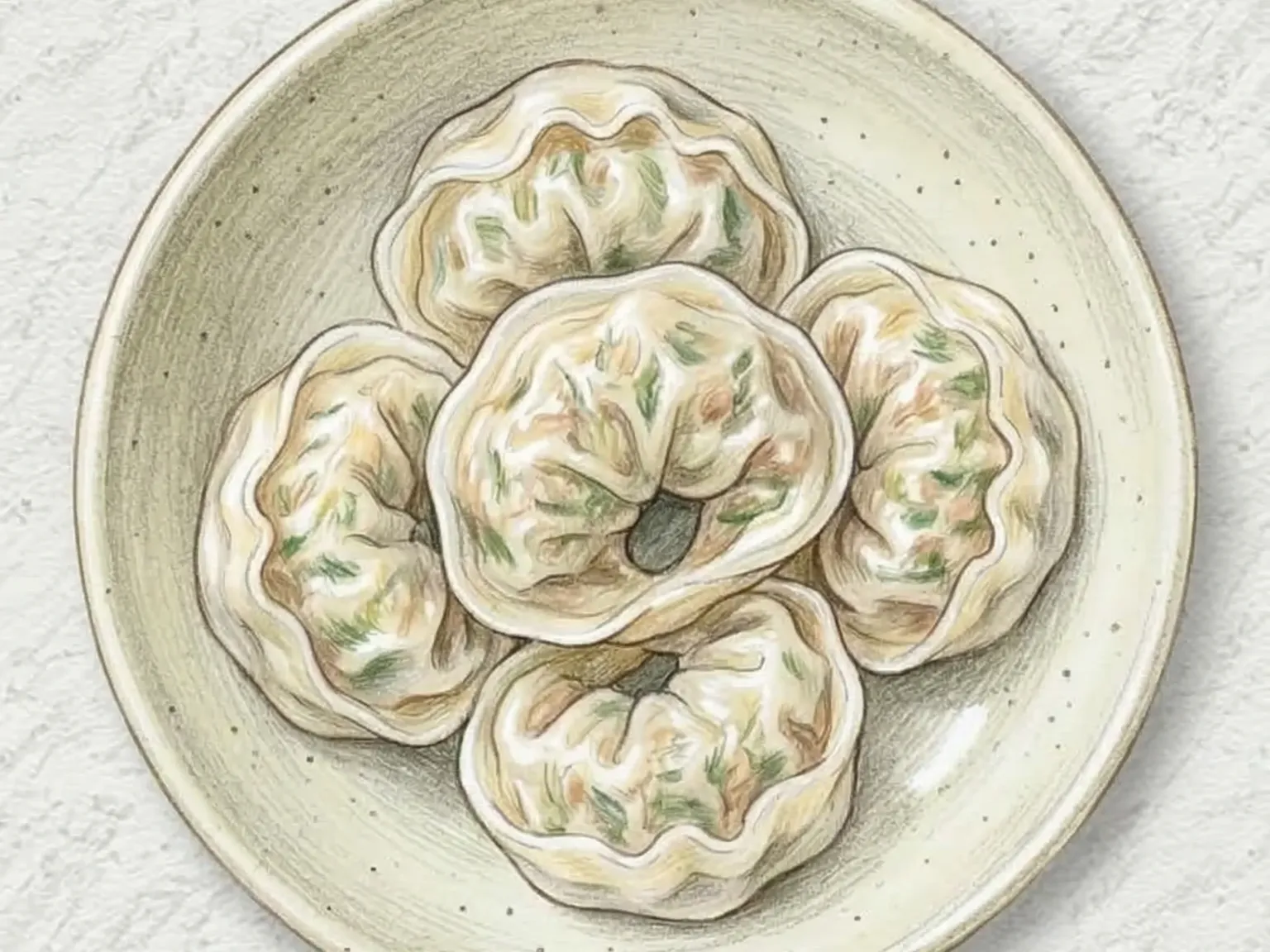
Korean Shrimp Mandu (Chunky Shrimp and Pork Dumplings)
Street food Medium

Korean Shrimp Mandu (Chunky Shrimp and Pork Dumplings)

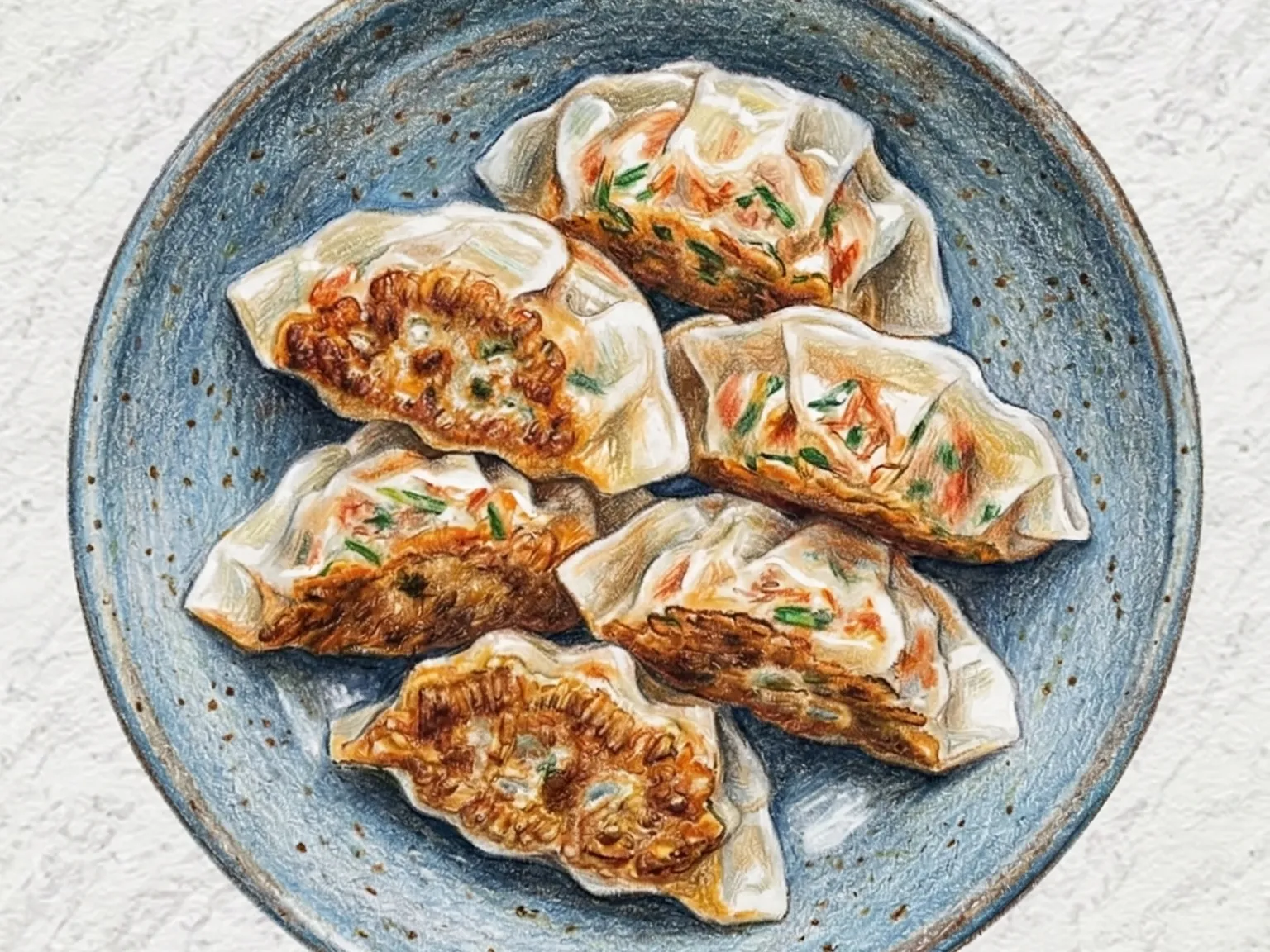
Saeu-mandu are Korean dumplings filled with coarsely chopped shrimp, ground pork, garlic chives, and onion. The shrimp is intentionally left in chunky pieces so each bite delivers a distinct pop of texture alongside the pork. The filling is seasoned with sesame oil and garlic, keeping the flavor clean with a gentle seafood sweetness underneath. Steaming turns the wrappers translucent and lets the pink shrimp show through, while pan-frying gives a golden, crisp bottom that contrasts with the soft upper shell.

🧒 Kid-Friendly 🏠 Everyday
Prep 25min Cook 12min 4 servings
Korean Shrimp Mulmandu in Light Broth
Street food Easy

Korean Shrimp Mulmandu in Light Broth

Saeu-mulmandu-broth is a Korean dumpling soup where shrimp-filled mandu are simmered in a clear broth seasoned with soup soy sauce and garlic. The shrimp is added to the pot first and allowed to cook in the liquid before the dumplings go in, establishing a seafood base that the wrappers gradually absorb during cooking. As the dumplings simmer, their skins turn translucent and the filling becomes faintly visible through the surface. They are ready when they float to the top, at which point the wrappers are tender but still intact. Green onion is stirred in at the end for a fresh, mild sharpness, and the broth is adjusted with salt and white pepper. Despite its clear, light appearance, the soup carries real depth: the gentle sweetness drawn from the shrimp combines with the savory notes released from the filling inside each dumpling, building a broth that tastes more complex than its short ingredient list would suggest. A full bowl with several dumplings makes a complete light meal, and the soup is particularly comforting during cooler months. Frozen store-bought shrimp dumplings work well in this recipe, making it a practical option for quick weeknight cooking.

🧒 Kid-Friendly ⚡ Quick
Prep 15min Cook 10min 2 servings
Korean Black Soybean Noodle Cup
Street food Medium

Korean Black Soybean Noodle Cup

Seori-kongguksu-cup serves chilled black soybean broth over thin somyeon noodles in a cup-sized portion, a cool summer street food built for hot weather. The broth is made by blending boiled black soybeans with milk and cold water, then pressing through a fine strainer for a silky, lump-free consistency. Black soybeans give the broth a grayish hue distinct from the ivory-colored broth made with ordinary yellow soybeans, and the flavor is noticeably richer and more intensely nutty, with a clean finish rather than a heavy aftertaste. Cooking the soybeans fully and letting them cool before blending is important because heat drives off the aromatic compounds that give the broth its characteristic fragrance. Sliced cucumber, cherry tomatoes, and ice cubes go on top, the vegetables adding crunch and color contrast while the ice keeps the broth cold so the soybean flavor stays sharp and defined. Somyeon noodles are boiled and rinsed several times in cold water to strip off surface starch, which would otherwise cloud the broth and make the noodles clump. The result is a simple, satisfying bowl where every element has a clear role.

🥗 Light & Healthy 🧒 Kid-Friendly
Prep 25min Cook 10min 2 servings
Korean 10 Won Cheese Bread
Street food Medium

Korean 10 Won Cheese Bread

Sip-won-ppang is a Korean street snack baked in a coin-shaped mold from a batter of flour, egg, milk, and melted butter, filled with mozzarella cheese and corn kernels. The batter is layered around the cheese filling, then griddled on medium-low heat until both sides develop a thin, lightly crisp crust while the mozzarella inside melts into a stretchy pull. Each corn kernel bursts with sweetness against the salty cheese, creating a clear sweet-salty contrast. The embossed mold stamps a coin pattern onto the surface, giving it the signature look of a Korean ten-won coin.

🧒 Kid-Friendly 🏠 Everyday
Prep 15min Cook 18min 2 servings
Korean Beef Gimbap (Soy-Marinated Beef Seaweed Rice Roll)
Street food Medium

Korean Beef Gimbap (Soy-Marinated Beef Seaweed Rice Roll)

Sogogi-gimbap is a Korean seaweed rice roll featuring beef marinated in soy sauce and sugar, then stir-fried. The sweet-savory beef is rolled alongside sesame-seasoned rice, blanched spinach, sauteed carrots, and thin egg omelet strips inside a sheet of gim. The soy marinade from the beef seeps slightly into the rice, distributing flavor evenly through each cross-section slice. Thinly cut against the grain, the beef stays tender when bitten, while the spinach and carrot provide crisp texture and vegetable sweetness to balance the richness.

🍱 Lunchbox 🏠 Everyday
Prep 20min Cook 15min 2 servings
Korean Five-Color Songpyeon
Street food Hard

Korean Five-Color Songpyeon

Osack songpyeon are five-color rice cakes made for Chuseok, Korea's harvest festival. Rice flour dough is divided into portions and tinted with natural colorants including mugwort powder for green, gardenia water for yellow, and grape juice for purple, then kneaded with boiling water to develop a chewy, cohesive texture that raw-water dough cannot achieve. Each piece is filled with toasted sesame mixed with sugar or with sweetened red bean paste, then carefully pinched shut and shaped into a half-moon. Steaming for 20 minutes on a thick bed of pine needles imparts a subtle resinous fragrance to the surface, creating a layered aroma of wood and cooked grain that is distinctive to songpyeon and nothing else. A brush of sesame oil applied immediately after steaming gives each cake a glossy finish and prevents them from sticking together as they cool. The temperature and quantity of the boiling water during the kneading stage are the main variables that determine whether the final texture is perfectly chewy or disappointingly stiff. Traditionally, the entire family gathers the night before Chuseok to shape the rice cakes together, and that shared effort is considered inseparable from the taste.

🎉 Special Occasion
Prep 60min Cook 30min 6 servings
Korean Blood Sausage Skewers
Street food Easy

Korean Blood Sausage Skewers

Soondae-kkochi are Korean blood sausage skewers threaded alternately with onion and green onion pieces, pan-grilled and glazed with a sauce made from gochujang, ketchup, oligosaccharide syrup, and soy sauce. Applying the glaze in two separate rounds rather than all at once is critical: the first coat caramelizes and sets, then a second layer is brushed on over low heat to build a glossy, deeply lacquered finish without burning. The sundae must be cooked slowly over low heat, rolling it gently so the casing does not split while the interior stays chewy throughout. Onion and scallion segments release their moisture on the grill, concentrating into a natural sweetness that balances the bold, iron-rich flavor of the sausage and provides a textural shift between bites. A scatter of toasted sesame seeds over the finished skewers adds a final layer of nutty fragrance.

🧒 Kid-Friendly ⚡ Quick
Prep 15min Cook 12min 2 servings
Korean Crispy Fried Sundae
Street food Medium

Korean Crispy Fried Sundae

Soondae-twigim is deep-fried Korean blood sausage, sliced thick and coated in a batter of frying mix blended with potato starch for extra crunch. A double-frying method is used: the first round at 170 degrees Celsius cooks the inside through, followed by a brief second fry at 185 degrees that hardens the crust to a shattering crispness while the interior stays chewy and moist. Patting the sundae surface dry before battering is essential so the coating adheres evenly and does not peel off in the oil. A light dusting of chili powder and a side of mustard add heat and a sharp tang that cuts through the richness.

🍺 Bar Snacks 🧒 Kid-Friendly
Prep 15min Cook 12min 2 servings
Korean Sausage Skewers
Street food Easy

Korean Sausage Skewers

Sosiji kkochi are Korean sausage skewers made by scoring Vienna sausages deeply along their length and threading two or three onto wooden sticks, then pan-frying them until golden brown all over. The score marks serve a functional purpose: as the sausages heat, the cuts open up, allowing heat to penetrate to the center more evenly and creating edges that caramelize slightly and turn crisp. A thin film of oil in a medium-heat pan and steady rotation ensures even color across the entire surface, producing a skin that snaps on the outside while the inside stays juicy and springy. Ketchup and mustard are the classic accompaniments, with the tomato sweetness and the sharp, pungent bite of the mustard complementing the salt and fat of the sausage. Threading rice cakes between the sausage pieces transforms the skewer into a sotteok-sotteok style, a widely popular Korean street food variation. The dish comes together in under fifteen minutes and requires no special equipment beyond a pan and wooden skewers, making it a practical choice for a quick snack, a children's side dish, or a lunchbox item that holds up well at room temperature.

🧒 Kid-Friendly 🌙 Late Night
Prep 5min Cook 10min 2 servings
Korean Sotteok Sotteok Skewers
Street food Easy

Korean Sotteok Sotteok Skewers

Sotteok-sotteok is a Korean street snack of alternating mini sausages and cylinder rice cakes on a skewer, pan-grilled and coated in a sweet-spicy glaze of gochujang, ketchup, and oligosaccharide syrup. The rice cakes are soaked in warm water beforehand to soften them, ensuring they cook through on the pan and achieve maximum chewiness. Sausages are lightly scored to prevent splitting, and the skewers are rolled over medium heat until evenly browned. The glaze is tossed on quickly over low heat so it clings in a glossy layer, and the sauce gradually seeps into the rice cakes with each bite.

🧒 Kid-Friendly ⚡ Quick
Prep 15min Cook 12min 2 servings
Korean Soy Garlic Dakgangjeong
Street food Medium

Korean Soy Garlic Dakgangjeong

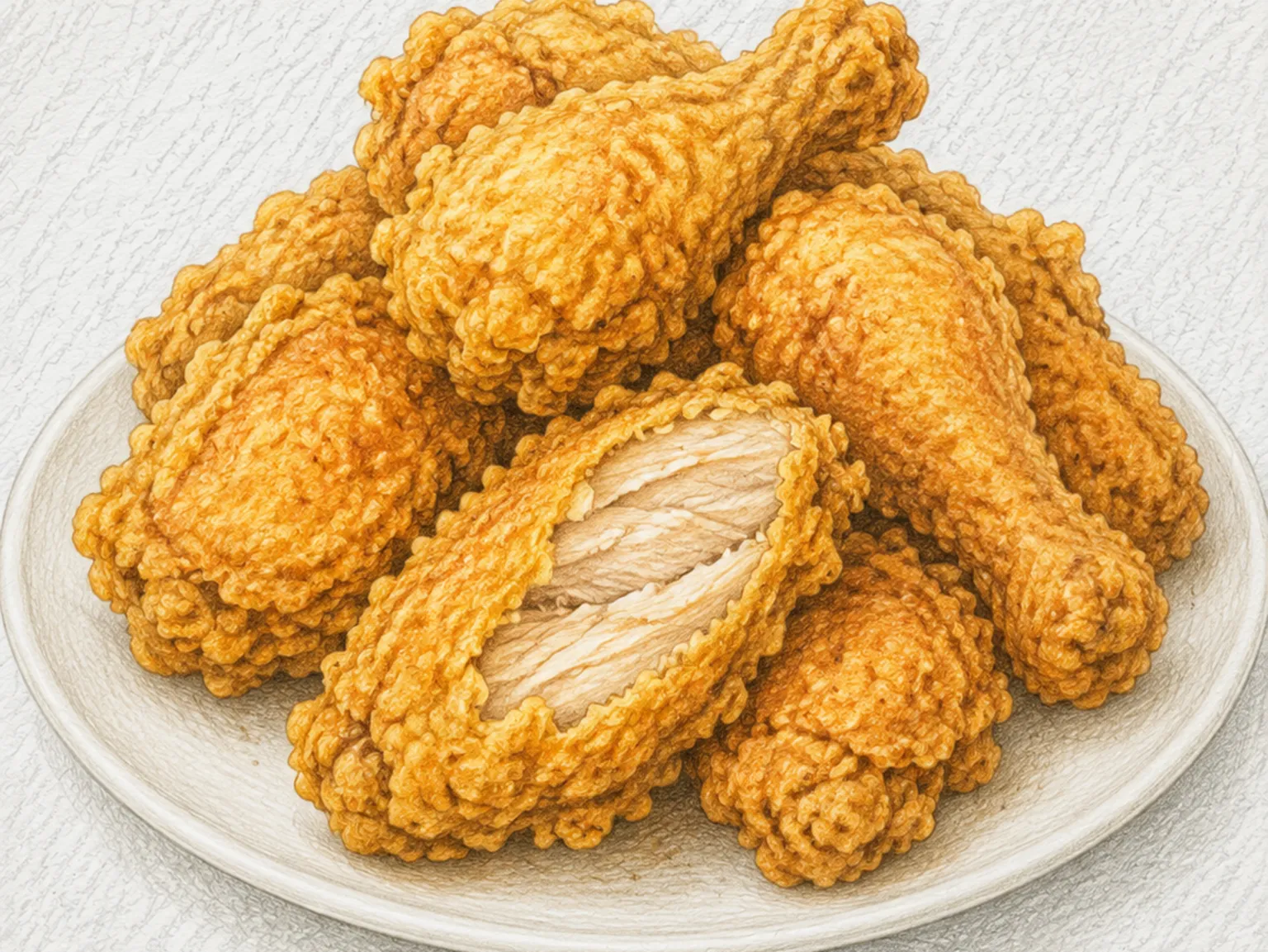
Soy-garlic dakgangjeong is Korean fried chicken made from boneless thigh pieces coated in potato starch and fried twice before being tossed in a soy-garlic glaze. The first fry runs at 170 degrees Celsius for five minutes to cook the meat through to the center. The second fry raises the temperature to 190 degrees and runs for two minutes to push residual moisture out of the crust and harden the surface. Both fries are necessary to achieve a crust firm enough to stay crisp under the wet glaze. Using only potato starch rather than a wheat-starch blend produces a thinner, more transparent coating that crisps harder and absorbs less oil. The sauce is reduced for no more than thirty seconds to one minute so the saltiness does not concentrate excessively. Vinegar is a key component: it cuts through the grease and leaves the palate clean after each bite. The fried chicken must go into the sauce while it is still loose, then be tossed over high heat quickly so the coating never has time to steam and soften. Sesame seeds scattered on top add a nutty fragrance and a textural contrast against the lacquered surface.

🌙 Late Night 🏠 Everyday
Prep 20min Cook 25min 4 servings
Korean Maekom Mayo Yubu Pocket (Spicy Mayo Tofu Pockets)
Street food Easy

Korean Maekom Mayo Yubu Pocket (Spicy Mayo Tofu Pockets)

Spicy mayo yubu pockets are seasoned tofu pouches stuffed with rice, canned tuna, chopped pickled radish, and cucumber, all bound together with a gochujang-mayonnaise sauce. The tuna must be thoroughly drained before mixing so the mayonnaise coats evenly, and the ratio of gochujang to mayo controls both the heat level and the creamy consistency of the filling. Diced pickled radish and cucumber introduce a satisfying crunch that keeps each bite from feeling heavy. Sesame oil and toasted sesame seeds mixed into the rice build a nutty foundation that balances the spice from the sauce. The sweet and salty braised tofu pouch wraps around everything, delivering multiple layers of flavor in a single bite. These pouches pack well for lunch boxes and hold up in the refrigerator, where the tofu slowly absorbs moisture from the filling and becomes even softer.

🍱 Lunchbox ⚡ Quick
Prep 18min Cook 8min 4 servings
Korean Street-Style Egg Bread
Street food Easy

Korean Street-Style Egg Bread

Preparing gyeran ppang involves pouring a sweet batter made from flour, milk, egg, and butter into individual molds and cracking a whole egg directly on top. The inclusion of baking powder helps the batter rise into a soft, airy bread structure during the baking process at 180 degrees Celsius. Within fifteen to eighteen minutes, the egg white sets firmly while the yolk reaches a state between soft and fully cooked, creating a moist center. The light sweetness of the buttered batter balances the naturally mild and savory profile of the egg, making the snack complete without any additional sauces. Where the batter makes contact with the mold, it develops a lightly crisped, golden exterior that provides a textural contrast to the pillowy interior. This snack reaches its peak quality immediately after removal from the mold while still warm, as cooling causes the bread to contract and lose its characteristic fluffiness. Its compact shape makes it easy to hold and eat while walking, which contributed to its status as a staple of Korean winter street food culture. Some versions include a light sprinkle of salt or dried herbs over the egg to introduce an aromatic element to the sweet and savory base.

🧒 Kid-Friendly 🏠 Everyday
Prep 15min Cook 20min 4 servings
Korean Stir-fried Sundae (Sundae Bokkeum)
Street food Easy

Korean Stir-fried Sundae (Sundae Bokkeum)

Sundae-bokkeum is a spicy Korean stir-fry of blood sausage with cabbage, onion, and green onion in a sauce made from gochujang, gochugaru, soy sauce, sugar, and garlic. High heat and a short cooking time are essential because prolonged stir-frying causes the sundae casing to burst and the filling to toughen, while the cabbage and onion release just enough moisture as they wilt to help the sauce coat every piece evenly. The seasoning stacks direct heat from gochujang, a gentler radiant warmth from gochugaru flakes, and sweetness from sugar into a multidimensional spicy-sweet profile. Green onion is held until the very last moment so its fragrance survives the heat; added earlier, the aroma disappears before the dish reaches the table. Adding tteokbokki rice cakes transforms the dish into the popular combo known as tteoksuni, and a layer of melted cheese on top rounds out the spice.

🍺 Bar Snacks 🌙 Late Night
Prep 10min Cook 15min 2 servings
Korean Sweet Chili Cheese Balls
Street food Medium

Korean Sweet Chili Cheese Balls

Sweet chili cheese balls are a fried snack made from glutinous rice flour dough mixed with milk, wrapped around mozzarella cubes, shaped into spheres, and deep-fried at 160 degrees Celsius. Adding a small amount of baking powder to the dough causes it to puff evenly during frying, creating a thin, crisp crust on the outside while the mozzarella inside melts into a soft, stretchy core. Keeping the oil at a moderate 160 degrees is the critical step, because a higher temperature browns and sets the shell before the cheese inside has had enough time to melt fully. Dipping in sweet chili sauce brings a layer of fruity sweetness and gentle heat over the creamy mozzarella, and the sauce's slight tanginess cuts the fried richness to leave the palate feeling clean. Sealing the seam of each ball tightly when wrapping is important, as any gap will let the melting cheese escape into the oil during frying.

🎉 Special Occasion 🧒 Kid-Friendly
Prep 15min Cook 15min 4 servings
Korean Sweet Potato Mozza Corn Dog
Street food Medium

Korean Sweet Potato Mozza Corn Dog

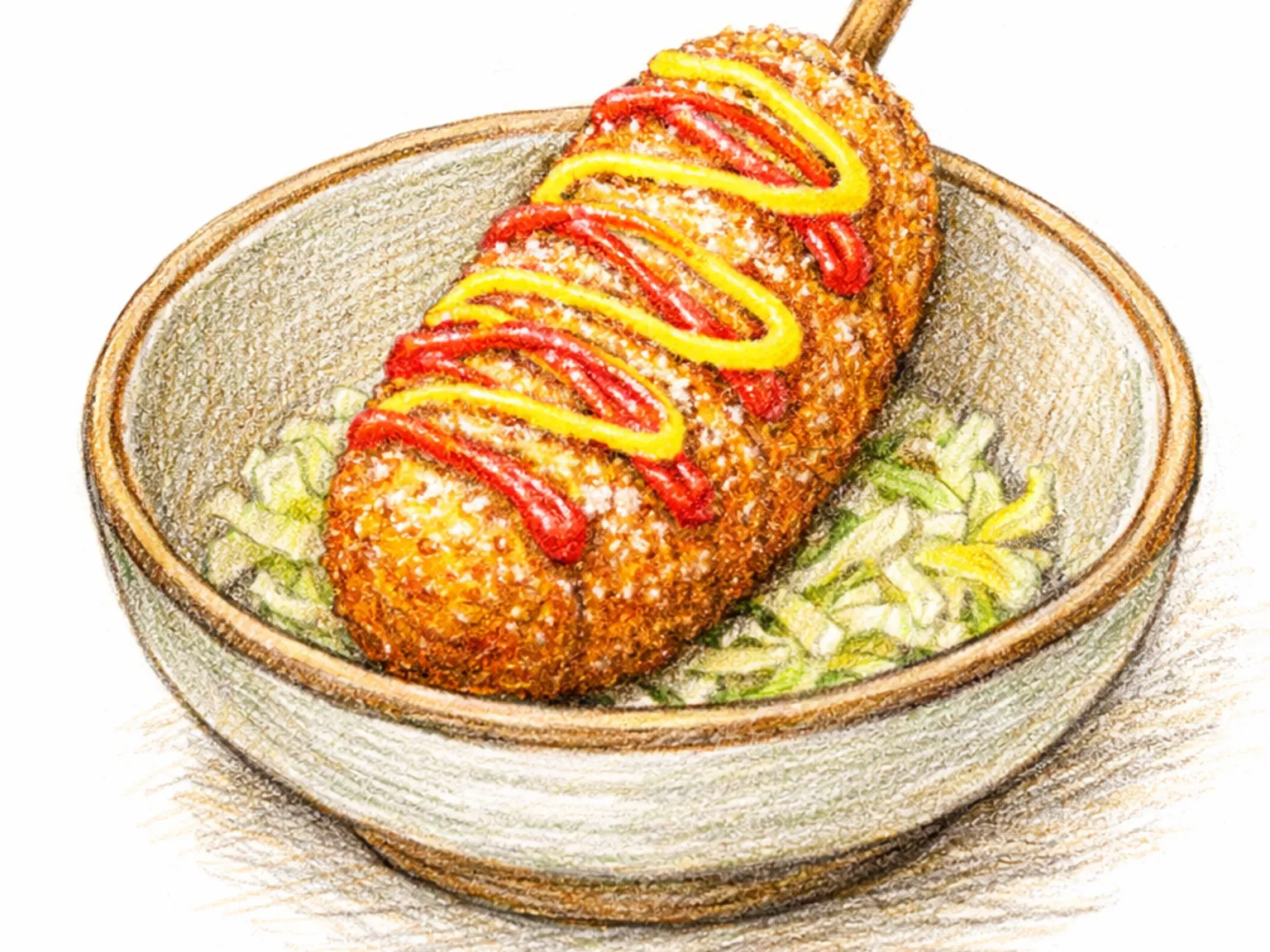
Sweet potato mozza corn dog is a Korean street food made by skewering mozzarella and sausage end to end, coating the skewer in pancake batter, pressing diced sweet potato cubes and breadcrumbs into the surface, and deep-frying at 170 degrees Celsius. Freezing the mozzarella until hard before assembly is not optional: room-temperature cheese melts too quickly during frying and breaks through the batter before the exterior sets, causing the filling to leak. Biting through the sausage-cheese boundary delivers a sharp contrast between the salt of the sausage and the pull of the stretched cheese. The batter needs to hold a moderate thickness so the sweet potato pieces adhere evenly rather than sliding off before hitting the oil. In the fryer, the sweet potato cubes caramelize against the batter, forming a naturally sweet outer layer with slightly crisped edges. Breadcrumbs fill the gaps between the potato pieces and add crunch wherever the potato does not cover. Dusting the finished corn dog with granulated sugar immediately after it exits the fryer lays a thin sweet coating over the already-caramelized surface, amplifying the sweet-salty contrast with the savory interior. The visual of cheese pulling as the corn dog is bitten through became widely associated with Korean street food content on social media.

🧒 Kid-Friendly 🏠 Everyday
Prep 25min Cook 15min 4 servings
Tanghuru (Chinese-Style Candied Fruit Skewers)
Street food Medium

Tanghuru (Chinese-Style Candied Fruit Skewers)

Tanghuru is a candied fruit dessert made by skewering fresh strawberries, grapes, or other fruits and dipping them into sugar syrup heated to 150 degrees Celsius, the hard-crack stage. At this precise temperature, the syrup sets into a thin, glass-like candy shell around each fruit; any lower and it remains sticky without hardening. Biting through the brittle sugar coating releases the fresh juice of the fruit inside, creating a sharp contrast between pure sugar sweetness and the fruit's natural tartness. The fruit must be thoroughly dried before dipping so the candy layer adheres in an even, transparent coat.

🧒 Kid-Friendly 🏠 Everyday
Prep 15min Cook 10min 2 servings