Street food
Street food

Street food Recipes

137 recipes. Page 4 of 6

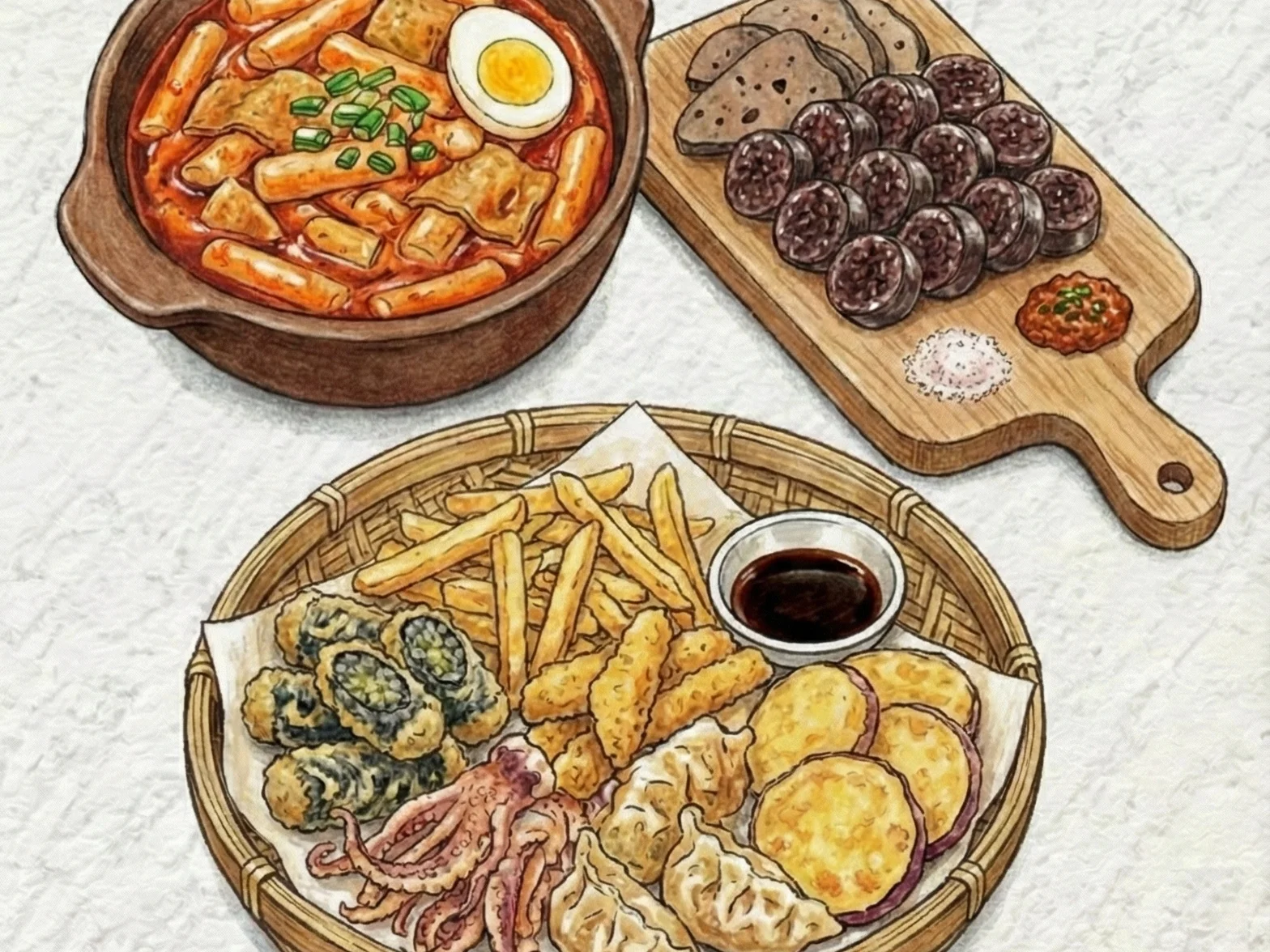
Korean street food (bunsik) covers beloved snacks like tteokbokki (spicy rice cakes), sundae (blood sausage), fish cakes, and fried treats. These are the foods Koreans grew up eating at market stalls and snack shops after school - simple, affordable, and deeply satisfying.

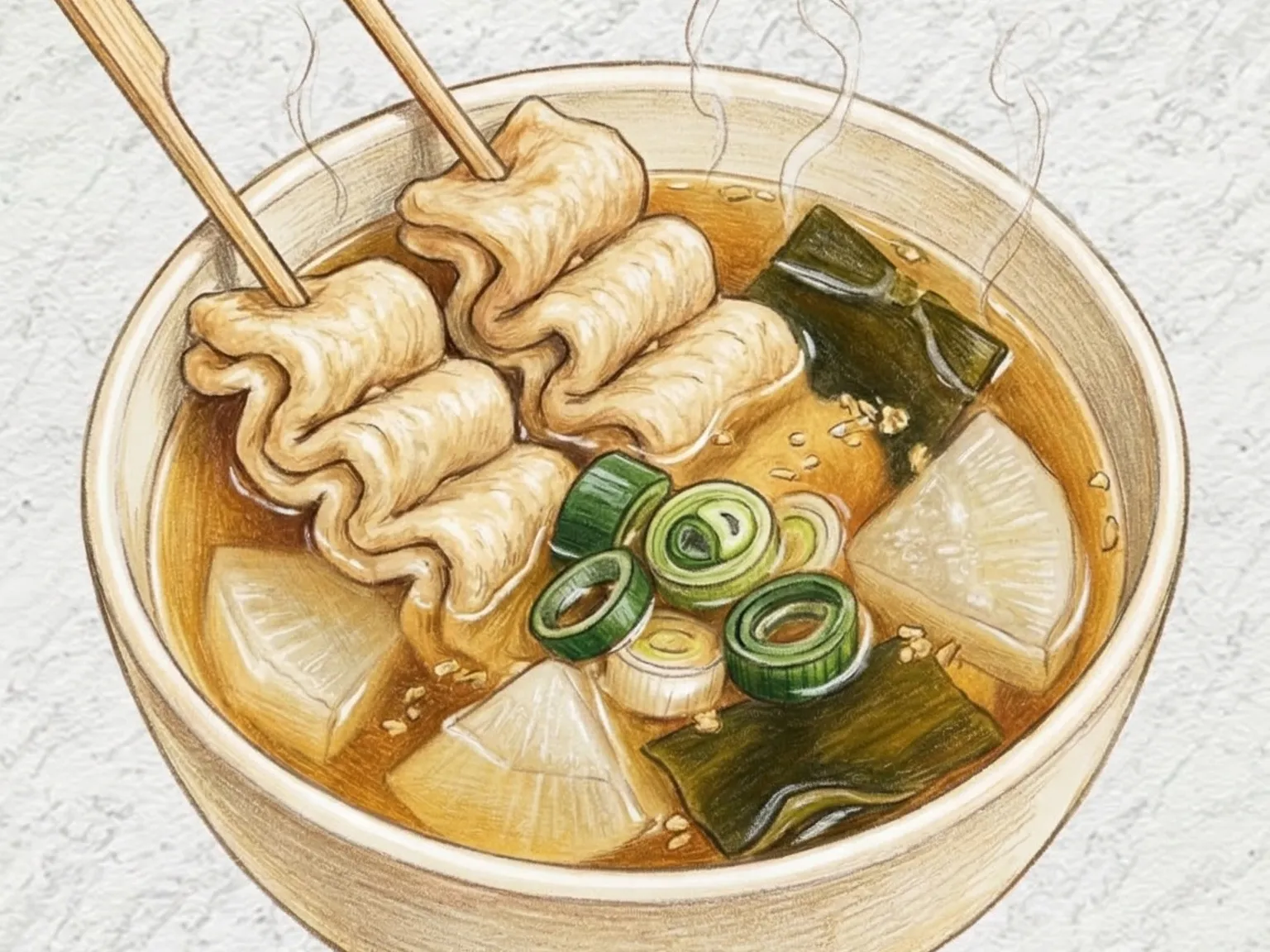
A sweet-spicy gochujang sauce for tteokbokki, crispy gimmari (seaweed rolls), and steaming fish-cake broth - bunsik proves that the best flavors often come from the simplest ingredients. Every recipe here can be made at home with ease.

Pork Cutlet Sandwich
Street food Medium

Pork Cutlet Sandwich

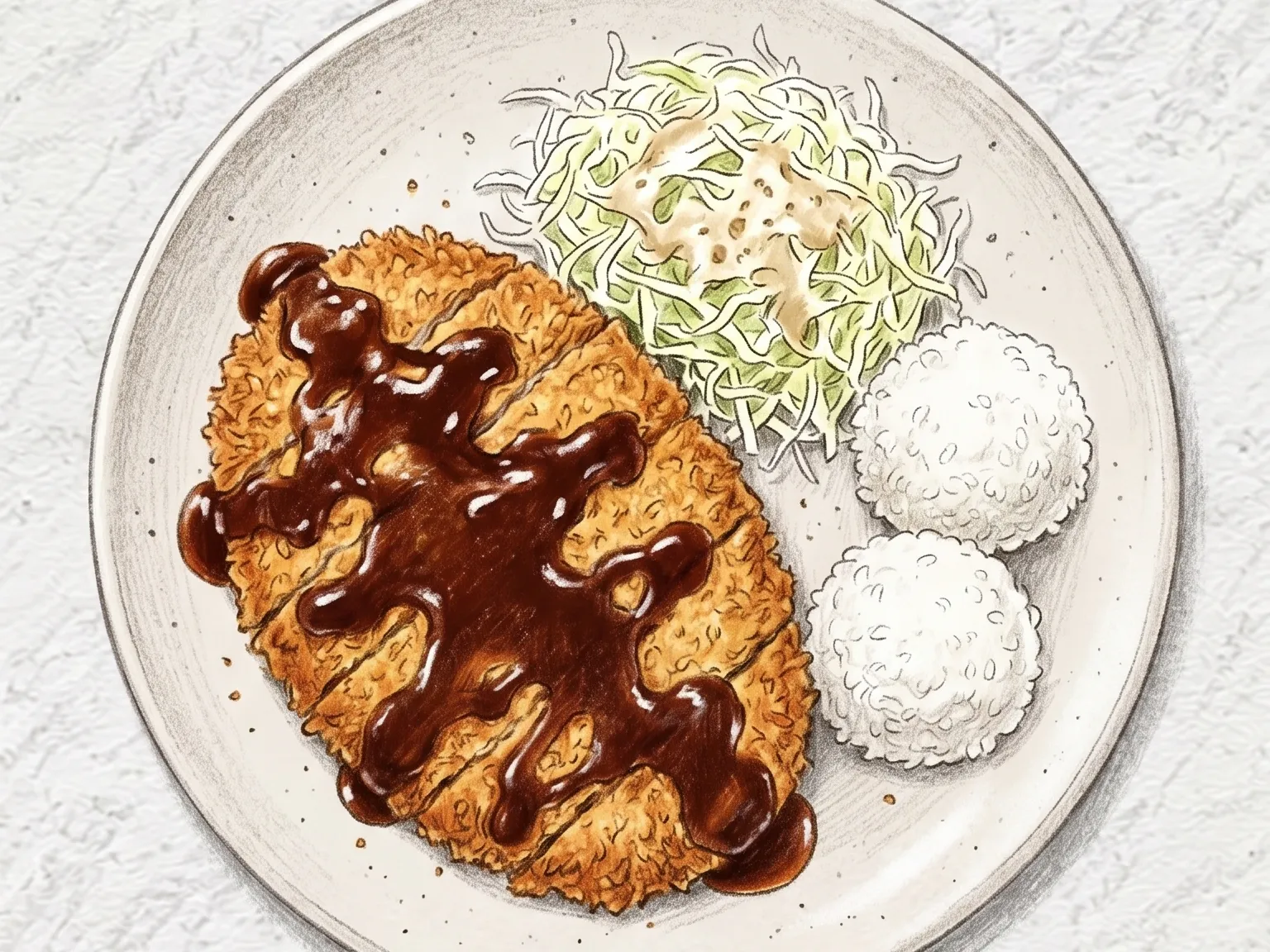
Katsu sando is a Japanese sandwich built around a thick pork loin cutlet breaded in flour, egg, and panko, then deep-fried at 170C until the exterior turns a deep, even gold. The cutlet rests on soft milk bread generously spread with tonkatsu sauce, and a layer of shredded cabbage dressed in mayonnaise goes in between. The contrast between the cutlet's rigid panko crust and the yielding bread is what defines the sandwich, while the mayo-dressed cabbage absorbs some of the richness and keeps the whole thing from feeling heavy. Wrapping the assembled sandwich firmly in plastic wrap and resting it for three minutes gives the sauce time to soak into the bread, producing a clean cross-section when cut. Draining the cutlet upright for a minute after frying removes surface oil and prevents the bread from going soggy. Using fine-ground fresh panko rather than dried gives the crust a slightly denser, more refined texture.

🧒 Kid-Friendly 🌙 Late Night
Prep 20min Cook 18min 2 servings
Korean Bunsik Kimchi Bokkeumbap (Kimchi Fried Rice)
Street food Easy

Korean Bunsik Kimchi Bokkeumbap (Kimchi Fried Rice)

Bunsik-style kimchi fried rice starts by making scallion oil from green onions, then stir-frying well-fermented kimchi to drive off moisture before seasoning with gochujang and soy sauce and tossing in day-old rice. The scallion oil lays a nutty base across the rice, and the aged kimchi's sharp acidity layers with the gochujang's heat to build depth. Cold leftover rice fries without turning mushy, keeping individual grains distinct, and the dish is topped with seaweed flakes and a runny fried egg. A small amount of sugar can be added if the kimchi's sourness is overpowering.

🧒 Kid-Friendly 🌙 Late Night
Prep 10min Cook 15min 2 servings

Korean Kimchi Cheese Gamja Jeon Cup (Kimchi Cheese Potato Cup)
Street food Medium

Korean Kimchi Cheese Gamja Jeon Cup (Kimchi Cheese Potato Cup)

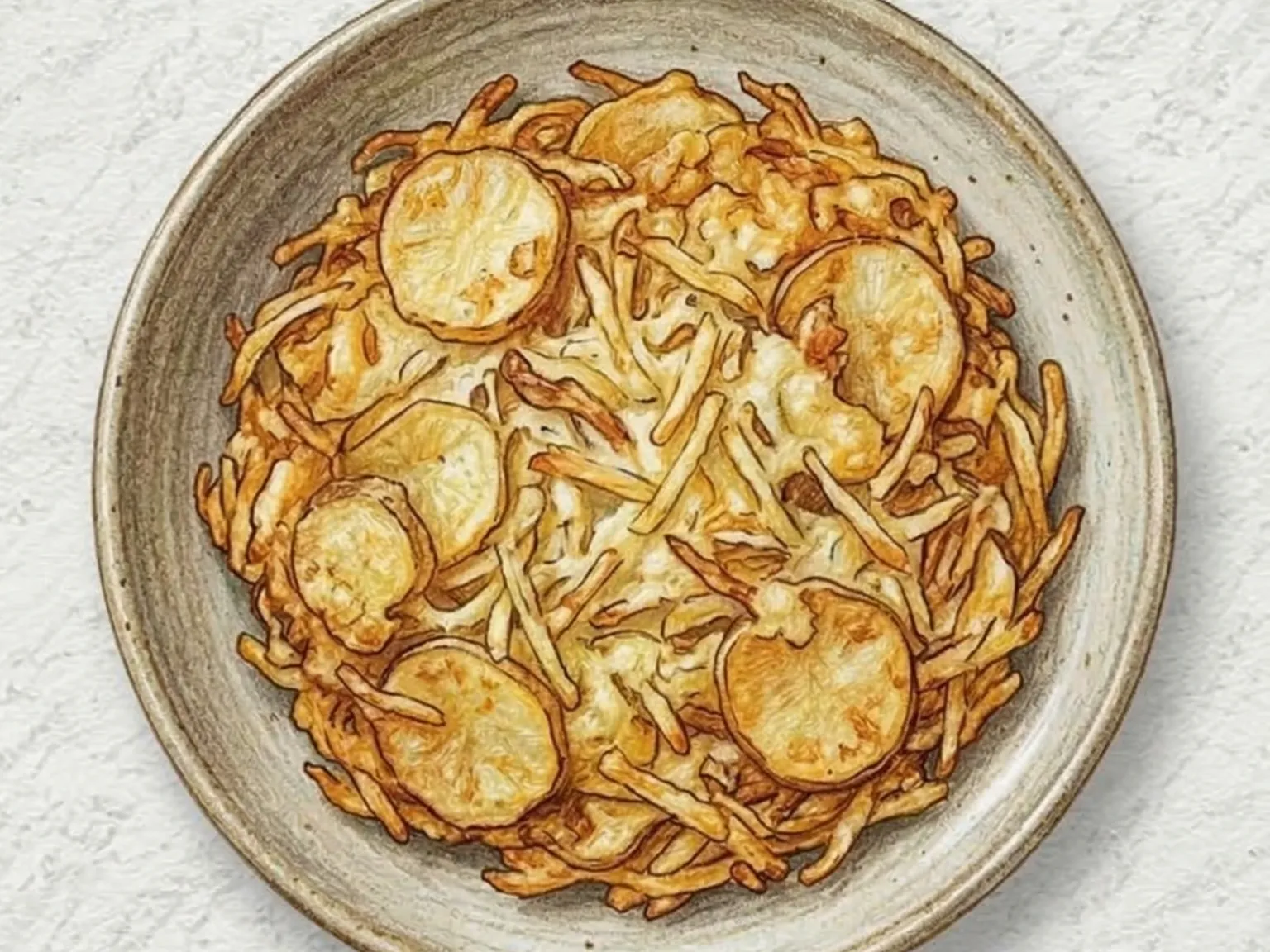
Kimchi cheese gamja jeon cups start with julienned raw potato and chopped kimchi mixed into a batter of Korean pancake mix and egg, pressed into cup shapes directly in the pan, then filled with shredded mozzarella and sliced green onion before a lid traps the steam that melts the cheese. The starch naturally present in the potato acts as a binder, holding each cup together as it fries, while the contact surface builds a golden, crispy crust. As the lid seals in heat, the cheese softens and merges with the spicy kimchi, and the potato contributes a gentle, almost sweet starchiness that balances the heat. Wringing excess moisture from the kimchi before mixing is the single most important step: leftover liquid loosens the batter and causes the cups to collapse before the crust sets. The compact shape makes them easy to pick up, so they work equally well as a lunchbox side or a party finger food.

🧒 Kid-Friendly 🏠 Everyday
Prep 15min Cook 15min 2 servings
Korean Kimchi Cheese Gimbap
Street food Easy

Korean Kimchi Cheese Gimbap

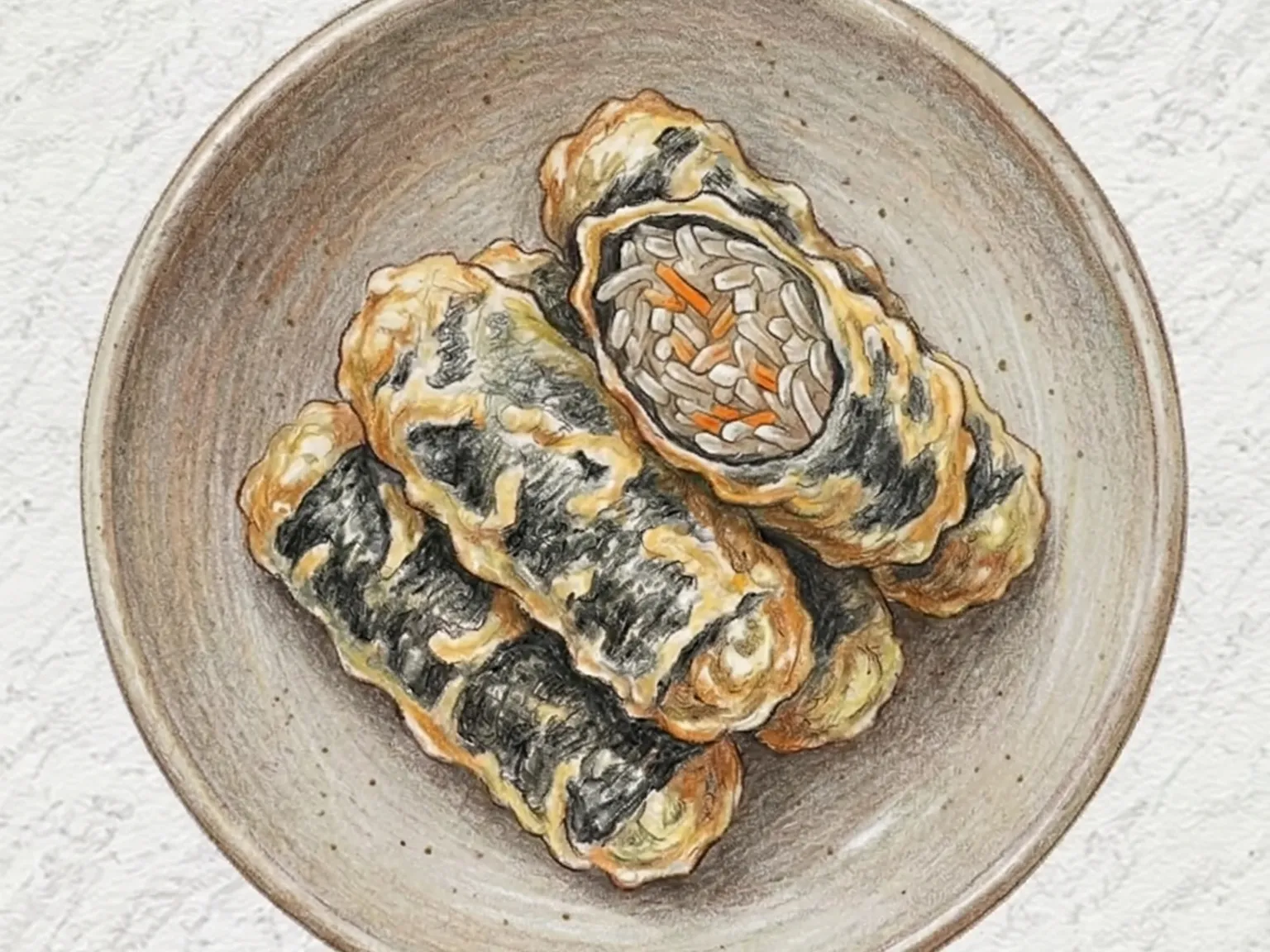
Kimchi cheese gimbap rolls seasoned rice, stir-fried kimchi, mozzarella cheese, and pickled daikon radish in sheets of dried seaweed. The kimchi must be stir-fried until all the moisture has evaporated before rolling: this concentrates the tangy fermented flavor and prevents the released liquid from softening the rice and making the seaweed tear during and after rolling. The fat in the mozzarella wraps around the kimchi's sharp heat and moderates it, and the pickled radish adds sweet-sour crunch that varies the texture across each bite. Keeping the cheese in a single narrow line down the center of the roll is the key technique for tight rolling and a clean cross-section: too much cheese makes the roll thick and causes the seaweed to split. Sliced processed cheese can be used in place of mozzarella and melts similarly. Brushing the outside of the finished roll lightly with sesame oil gives it a glossy surface and seals the seam.

🧒 Kid-Friendly ⚡ Quick
Prep 20min Cook 10min 2 servings
Korean Crispy Kimchi Fried Dumplings
Street food Easy

Korean Crispy Kimchi Fried Dumplings

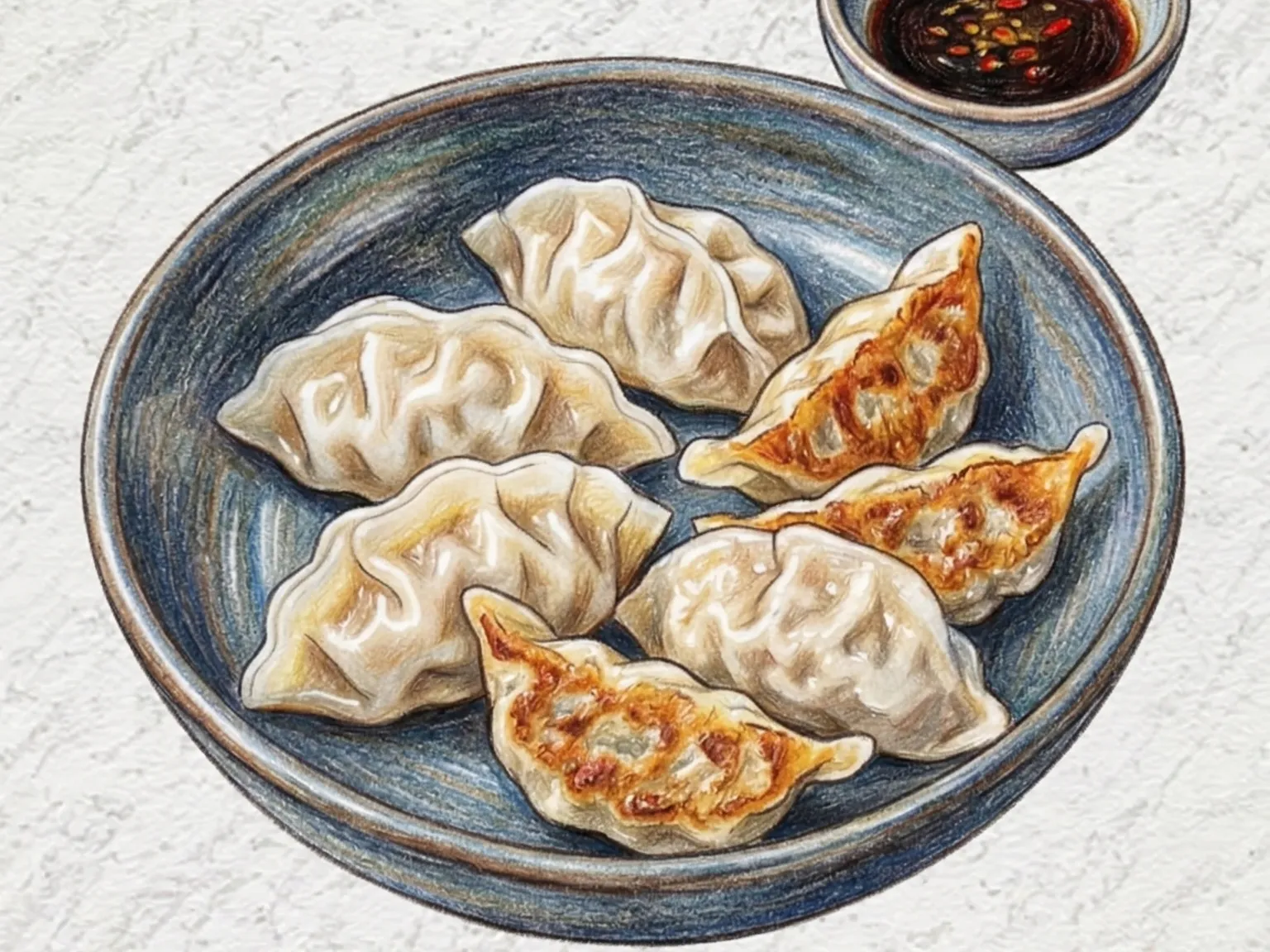
Kimchi gun mandu are pan-fried dumplings filled with finely chopped kimchi, squeezed tofu, ground pork, and green onion seasoned with soy sauce and garlic, shaped into half-moons. The bottoms are first crisped in oil, then water is added and the pan is covered for four minutes to steam the tops, achieving a contrast of crunchy base and moist upper wrapper. The kimchi's acidity and heat permeate the pork fat to create a more assertive umami than plain dumplings, and the tofu smooths out the filling's texture. A splash of vinegar in the soy dipping sauce cuts any greasiness.

🧒 Kid-Friendly 🏠 Everyday
Prep 20min Cook 12min 2 servings
Korean Kimchi Jeon Cup (Kimchi Pancake Cups)
Street food Easy

Korean Kimchi Jeon Cup (Kimchi Pancake Cups)

Kimchi jeon cups are small Korean pancakes made from a batter of pancake mix, water, kimchi brine, finely chopped aged kimchi, green onion, and Cheongyang chili, pan-fried into rounds and served standing upright in paper cups. Adding kimchi brine directly to the batter is the key step that separates these from a standard kimchi pancake: the fermented liquid spreads its salt and umami through every part of the batter, so the flavor is more intense and consistent than when kimchi is simply folded into a neutral base. A generous amount of oil in the pan and medium heat together crisp the edges into a fried shell while the center stays slightly soft and chewy. The Cheongyang chili adds a sharp, clean heat on top of the kimchi acidity, keeping the flavor lively. A thicker batter consistency than normal pancakes is necessary for this format: thin batter flops and collapses once stood upright in a cup, while a stiffer mix holds the round shape without bending. The hand-held cup format references pojangmacha culture, the covered street-stall tradition, and the pancakes are typically dipped in soy sauce or a vinegar-gochujang sauce.

🍺 Bar Snacks 🌙 Late Night
Prep 15min Cook 16min 4 servings
Korean Kimchi Pork Crispy Dumplings
Street food Medium

Korean Kimchi Pork Crispy Dumplings

Kimchi pork gunmandu are pan-fried dumplings with a filling of ground pork, well-drained kimchi, garlic chives, firm tofu, soy sauce, garlic, and sesame oil. The near-equal ratio of 180g pork to 150g kimchi puts the kimchi's fermented tang front and center. Garlic chives add a sharp, onion-like depth, and the tofu absorbs excess moisture from the filling to prevent wrapper breakage. The dumplings are first pan-fried to crisp the bottoms, then steamed with a splash of water, and finished uncovered to evaporate remaining liquid.

🍺 Bar Snacks 🧒 Kid-Friendly
Prep 25min Cook 12min 2 servings
Korean Kimchi Ramen Pancake
Street food Easy

Korean Kimchi Ramen Pancake

Kimchi ramyeon jeon is a Korean pan-fried pancake made with slightly undercooked ramen noodles mixed into a batter of pancake mix, chopped fermented kimchi, green onion, and red chili flakes. The noodles are boiled for only two minutes, leaving them firm enough to hold their structure in the pan; fully cooked noodles turn soft and collapse into the batter, losing all chew. The residual heat from pan-frying finishes the cooking while the noodles stay springy. Kimchi brings its fermented sourness and the chili flakes add heat, both layering over the mild, savory flavor of the batter. Spreading the mixture thin before frying allows the edges to crisp all the way through. The wavy, coiled shape of ramen strands creates an uneven surface on the pancake, producing irregular pockets and ridges that fry up especially crunchy. It is a popular late-night snack or a practical way to use leftover ramen blocks.

🌙 Late Night ⚡ Quick
Prep 10min Cook 12min 2 servings
Kimchi Octopus Balls (Korean-Style Takoyaki with Fermented Kimchi)
Street food Medium

Kimchi Octopus Balls (Korean-Style Takoyaki with Fermented Kimchi)

Kimchi takoyaki fills a takoyaki pan with a thin batter of takoyaki flour, water, and egg, then drops boiled octopus, drained kimchi, and chopped scallion into each well before rotating the rounds with a skewer as they set. The exterior crisps into a thin, golden shell while the inside stays loose and creamy, and the octopus's springy resistance meets the kimchi's tangy heat within the mild, savory batter. Squeezing the kimchi thoroughly dry before adding it is essential - residual liquid thins the batter and prevents clean browning. Leaving the balls untouched for a full minute allows the bottom to set before any turning begins. Finished with takoyaki sauce, mayonnaise, and a flutter of bonito flakes on top, each piece delivers a layered combination of salty, rich, and umami.

🧒 Kid-Friendly 🏠 Everyday
Prep 18min Cook 15min 2 servings
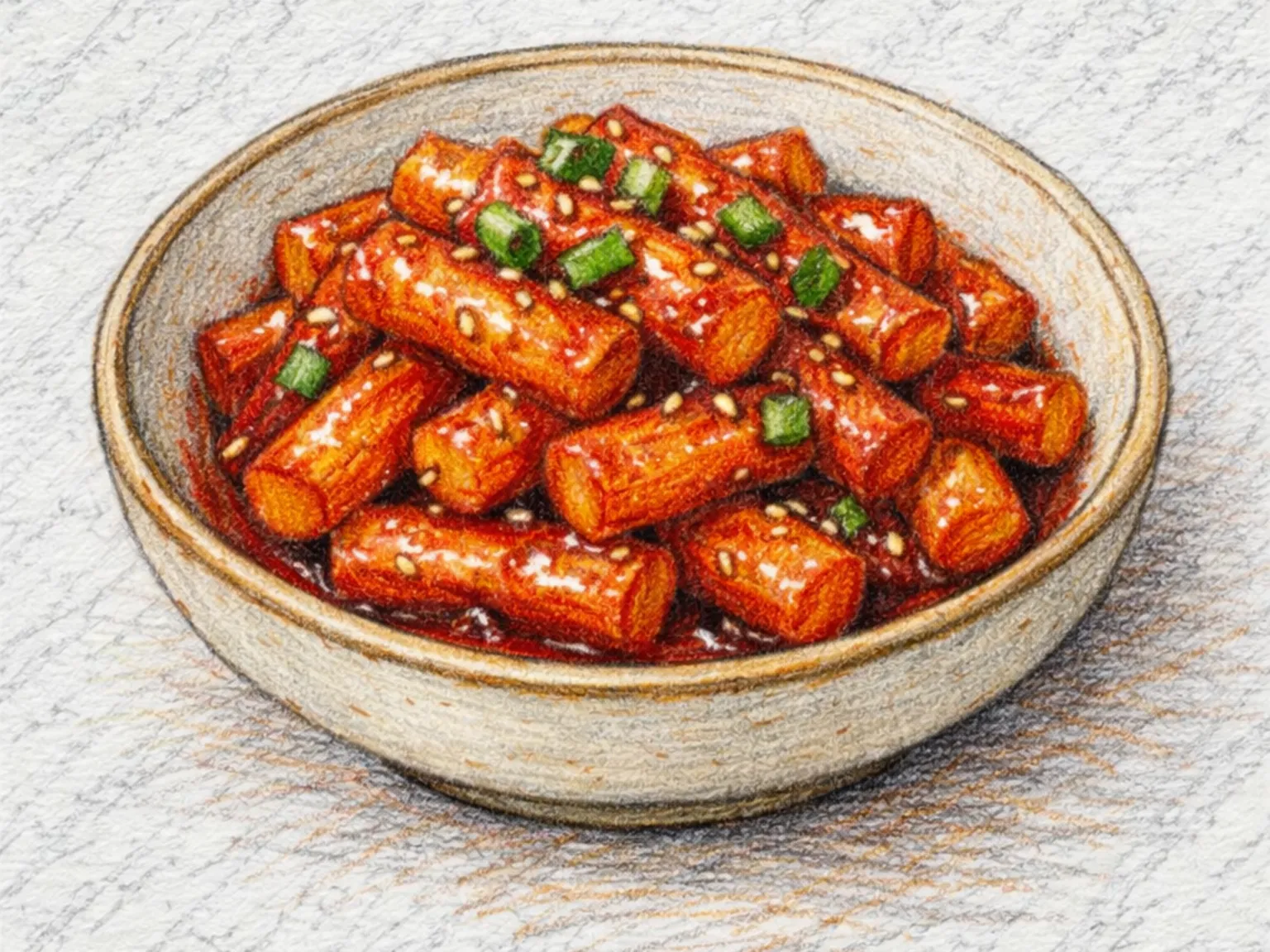
Korean Kimchi Tempura (Crispy Battered Deep-Fried Fermented Kimchi)
Street food Easy

Korean Kimchi Tempura (Crispy Battered Deep-Fried Fermented Kimchi)

Kimchi twigim is made by cutting well-fermented napa kimchi into large pieces, lightly squeezing out moisture, dipping in a batter of frying mix and cold water, and deep-frying at 170C until crispy. Cold water in the batter creates a sharper temperature differential in the hot oil, producing a crunchier coating. The kimchi's fermented acidity and spice layer against the batter's mild savoriness, and using deeply aged kimchi intensifies the tang that counterbalances the frying oil. Squeezing the kimchi too dry removes its umami-rich juices, so moderate draining is the key.

🧒 Kid-Friendly ⚡ Quick
Prep 15min Cook 15min 4 servings
Korean Kkaennip Chamchi Jeon (Perilla Tuna Pancakes)
Street food Easy

Korean Kkaennip Chamchi Jeon (Perilla Tuna Pancakes)

Kkaennip tuna jeon is made by mixing drained canned tuna with finely chopped onion, carrot, and perilla leaves, coating the mixture in pancake batter, then spooning it onto individual perilla leaves and pan-frying over medium-low heat. Each leaf wraps around the underside of the patty, acting as a natural mold that keeps the shape intact when flipping. Slow frying over moderate heat creates a crisp, golden exterior while locking enough moisture inside to keep the filling tender. The herbal, faintly minty character of the perilla leaf layers over the tuna's saltiness and cuts through any heaviness, leaving a clean finish. The combination works as a drinking snack or a packed lunch side equally well, and the bite-sized format makes it easy to serve at the table.

🧒 Kid-Friendly ⚡ Quick
Prep 12min Cook 12min 2 servings
Korean Mini Gimbap
Street food Easy

Korean Mini Gimbap

Half-sheet seaweed is lined with a thin layer of rice seasoned with sesame oil, salt, and sesame seeds, then filled with just three ingredients: pickled radish for crunch, blanched spinach for softness, and sauteed carrot for a touch of natural sweetness. The roll is made about half the diameter of standard gimbap and cut at 2 cm intervals, producing pieces small enough to eat in a single bite. The simplicity of the seasoning means no dipping sauce is needed, and the combination of textures from the firm pickled radish, tender spinach, and lightly sweet carrot keeps each piece balanced. The small size and straightforward construction make this a popular choice for children's packed lunches or picnic spreads, and with only a few ingredients to prepare, the whole batch can be ready in under 10 minutes.

🧒 Kid-Friendly 🌙 Late Night
Prep 15min Cook 5min 2 servings
Korean Honey Bread Balls (Fried Yeast Dough Balls Glazed with Honey and Peanut)
Street food Medium

Korean Honey Bread Balls (Fried Yeast Dough Balls Glazed with Honey and Peanut)

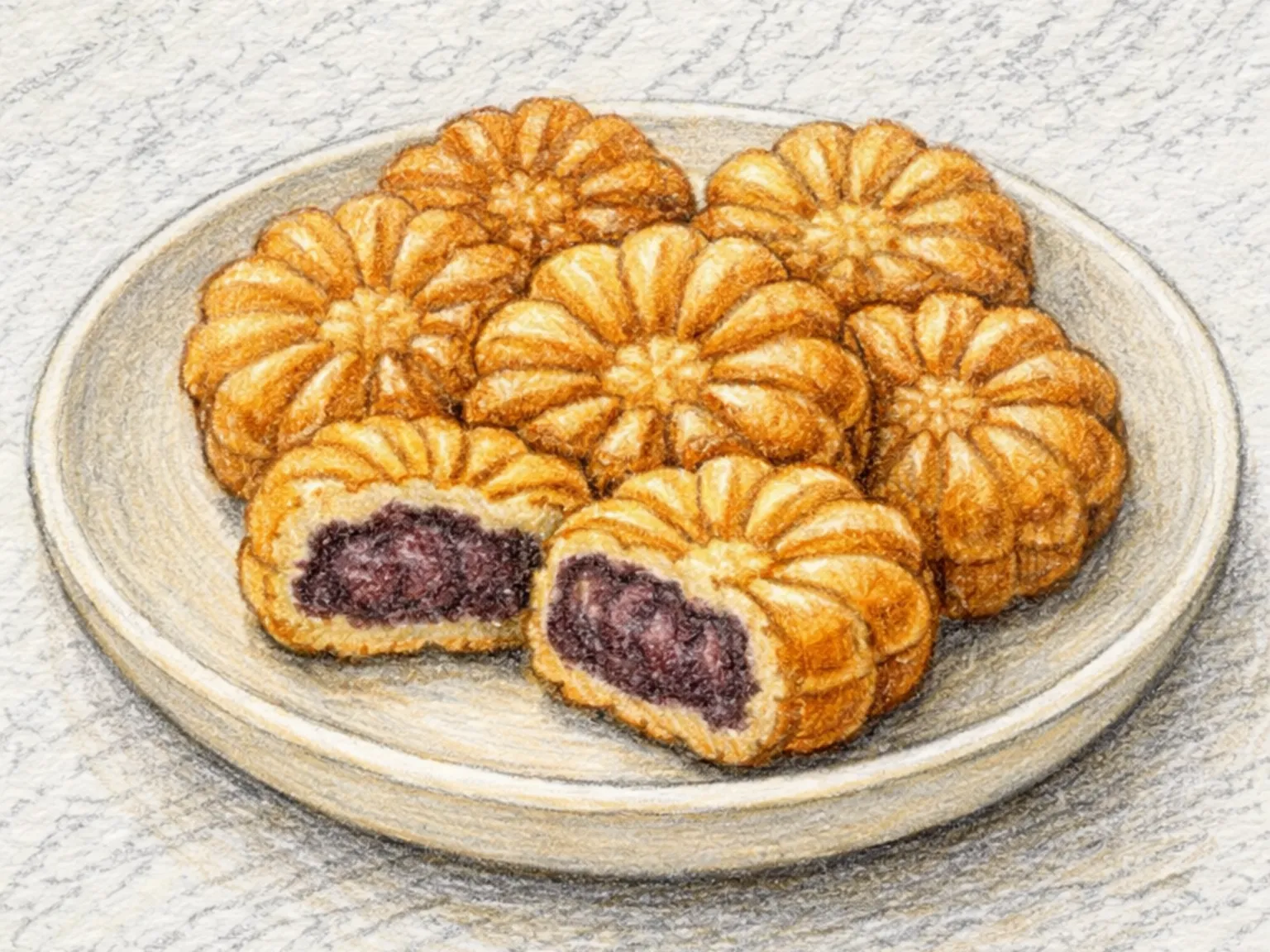
Kkul-ppang is a regional street snack from Tongyeong made by deep-frying yeast-leavened dough balls at 170 degrees Celsius until the outside firms into a thin, crisp shell. The fermentation process fills the interior with air pockets, producing a soft, bread-like crumb rather than the dense texture of unbaked dough. Whole dough is fried without any batter coating, which is what keeps the shell thin and crackly rather than puffy or thick. Immediately after frying, while still hot, the balls are brushed generously with warm honey so it soaks into the crust, then rolled in finely chopped peanuts for a layer of roasted nuttiness. Using rice syrup instead of honey softens the sweetness and brings the flavor closer to traditional Korean confectionery. Once cooled the shell stiffens and loses some of its snap, so these are best eaten fresh from the oil.

🧒 Kid-Friendly 🏠 Everyday
Prep 25min Cook 20min 4 servings
Korean Kkul Tarae Honey Threads
Street food Hard

Korean Kkul Tarae Honey Threads

Kkul tarae is a traditional Korean confection made by boiling rice syrup, corn syrup, and sugar to between 115 and 125 degrees Celsius, cooling the candy ring, then repeatedly stretching and folding it with dustings of glutinous rice flour until thousands of hair-thin strands form. The finished thread bundle is filled with roasted peanut, almond, and black sesame powders mixed together, rolled up, and cut into bite-sized pieces. Temperature control during candy cooking is critical: below 115 degrees the syrup stays too pliable to hold shape, above 125 it hardens before you can work it. Each stretch-and-fold cycle doubles the strand count and makes the bundle progressively lighter and more cloud-like, so the final texture in the mouth is a slow, silky dissolve rather than a chew. High humidity causes the delicate strands to stick to one another, making rapid work in a dry environment essential. Near Gyeongbokgung Palace and other tourist areas in Seoul, vendors often demonstrate the stretching process live as part of the sale.

🎉 Special Occasion 🧒 Kid-Friendly
Prep 40min Cook 20min 4 servings
Korean Twisted Doughnuts (Chewy Double-Proofed Spiral Fried Doughnuts)
Street food Medium

Korean Twisted Doughnuts (Chewy Double-Proofed Spiral Fried Doughnuts)

Flour dough enriched with egg, milk, and butter is kneaded, proofed for one hour, twisted into spiral shapes, proofed again for 30 minutes, then deep-fried at 170 degrees Celsius. The double proofing creates a chewy interior with enough air pockets to keep the texture light, and the sugar coating must be applied immediately after frying while the surface is still hot so it adheres firmly. The addition of butter gives these twisted doughnuts a richer, more fragrant taste compared to plain flour fritters. Fresh from the oil, the contrast between the thin, crisp exterior and the springy inside is what makes kkwabaegi worth eating on the spot.

🧒 Kid-Friendly 🍺 Bar Snacks
Prep 90min Cook 15min 4 servings
Korean Mozzarella Cheese Sticks
Street food Medium

Korean Mozzarella Cheese Sticks

Mozzarella blocks are cut into sticks, double-coated in flour, beaten egg, and parsley-seasoned breadcrumbs, then frozen for 20 minutes before a brief deep-fry at 170 degrees Celsius. The double coating and freezing step prevent the cheese from bursting out during frying, and pulling the sticks from the oil within one and a half to two minutes keeps the shell crunchy while the cheese inside remains stretchy rather than fully melted out. A touch of dried parsley in the breadcrumbs adds a mild herbal note, and dipping into tomato sauce or sweet chili sauce provides a pleasant contrast to the salty, crispy coating.

🧒 Kid-Friendly 🏠 Everyday
Prep 20min Cook 10min 2 servings
Korean Lemon Pepper Dakgangjeong
Street food Medium

Korean Lemon Pepper Dakgangjeong

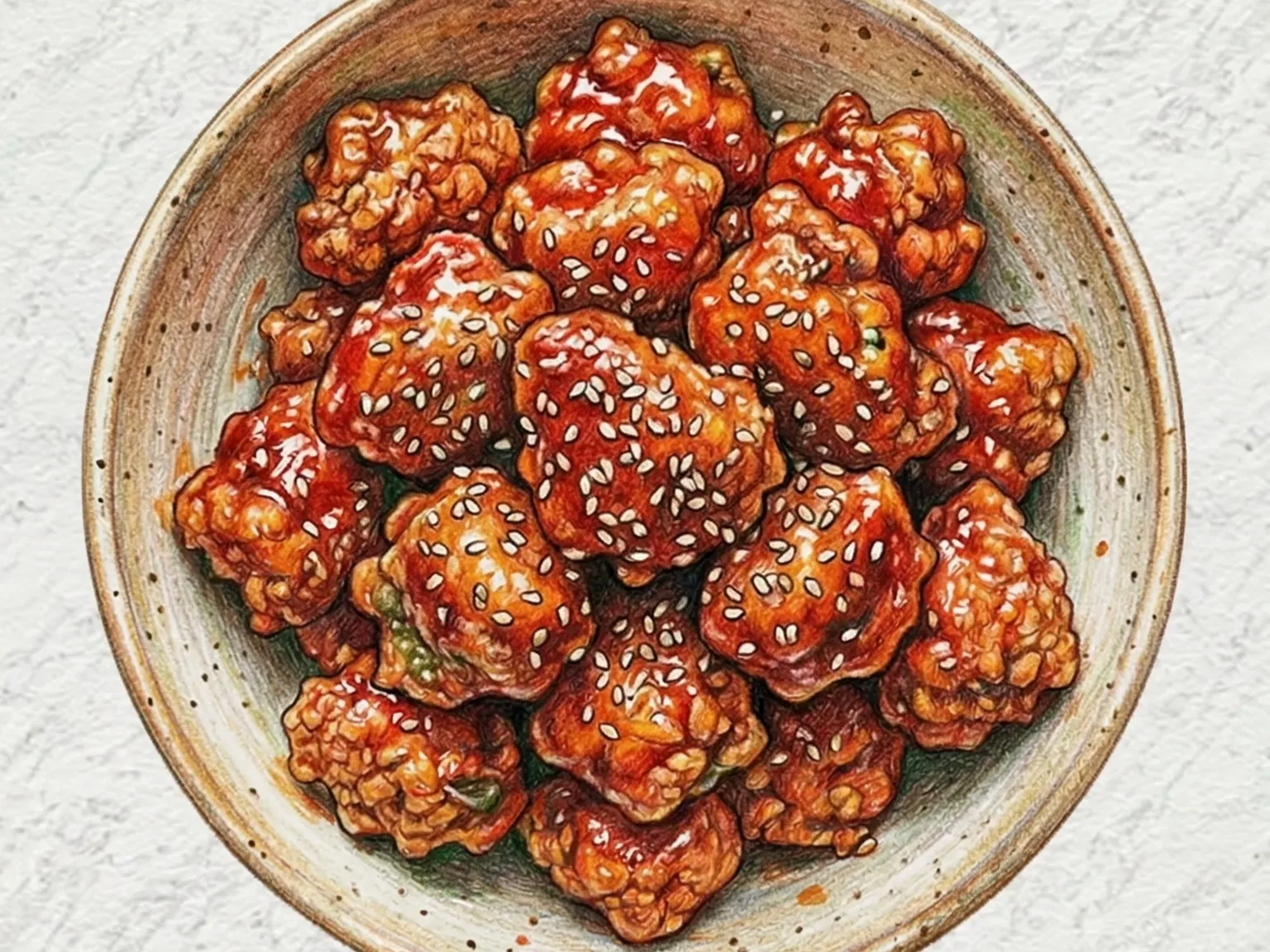
Boneless chicken thigh pieces are cut bite-size, coated thoroughly in potato starch, and double-fried at 170 then 180 degrees Celsius to build a shell that stays crunchy through the glazing step. The fried chicken goes straight into a reduction of lemon juice, honey, soy sauce, and butter, where the bright citrus acidity cuts cleanly through the rendered fat and cracked black pepper settles in as a slow, lingering finish. The entire tossing step must be completed in under twenty seconds before the steam softens the crust. Adding lemon zest directly into the glaze intensifies the citrus note considerably, and finished slices of lemon on the side make for a clean, vivid presentation.

🍺 Bar Snacks 🧒 Kid-Friendly
Prep 20min Cook 18min 4 servings
Korean Mala Cup Tteokbokki
Street food Medium

Korean Mala Cup Tteokbokki

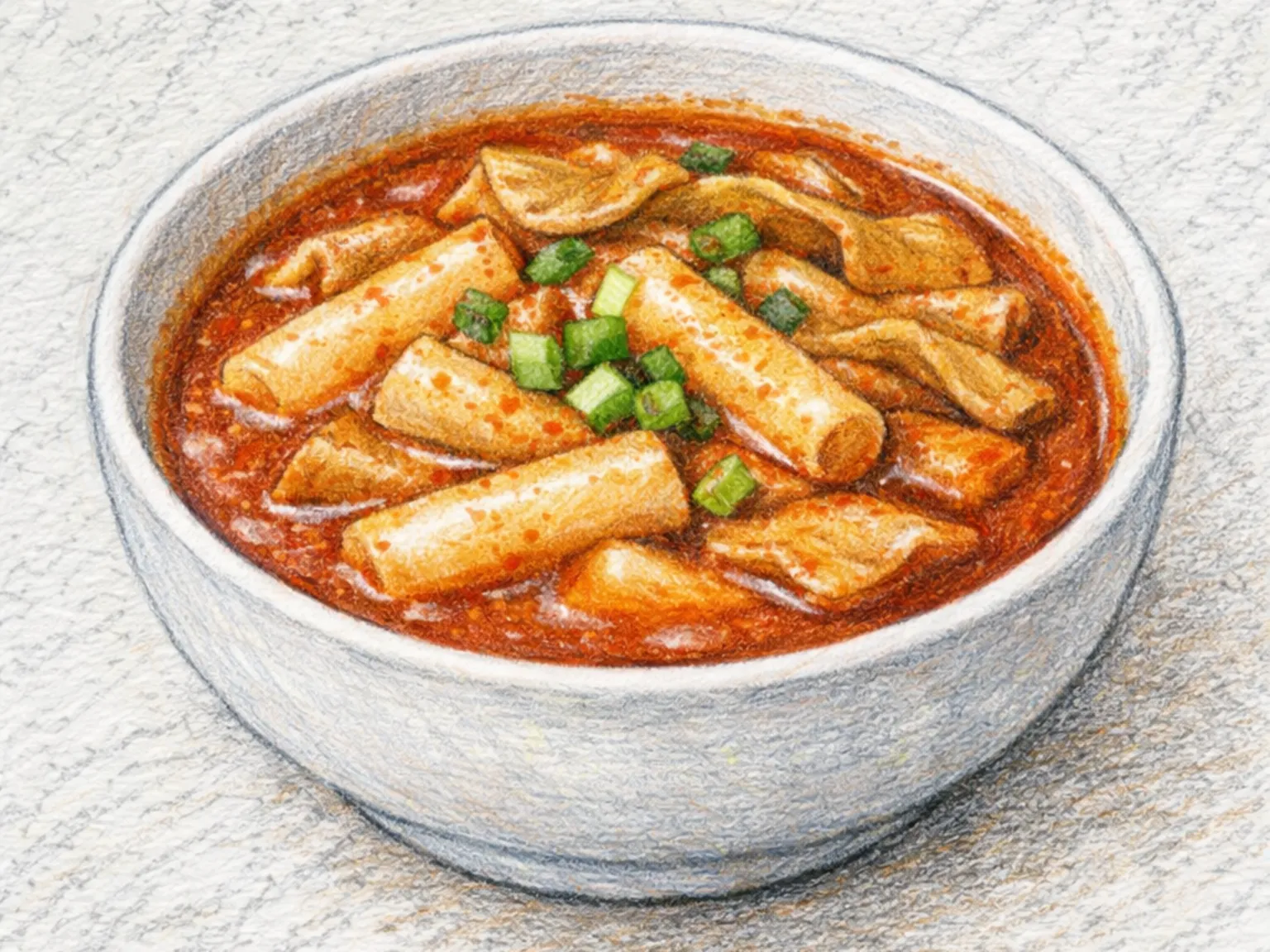
This cup-style tteokbokki blends gochujang with mala sauce to combine Korean chili heat and the numbing tingle of Sichuan peppercorn in a single dish. Rice cakes and fish cake go into the pot with the sauce, then cook over medium heat for six to seven minutes with constant stirring as the liquid reduces into a thick, clinging glaze that coats each piece heavily. Stopping to stir is not optional: the rice cakes stick and scorch on the bottom without continuous movement. Sliced green onion goes in at the end for fragrance. Because mala sauce saltiness varies considerably between brands, beginning with one tablespoon and tasting as you add more prevents overseasoning. Additional gochugaru raises the chili heat independently of the numbing sensation, while increasing the mala sauce proportion amplifies the tingle. The format mirrors the convenience-store cup tteokbokki experience and requires minimal equipment, making it a fast option when few tools are available.

🧒 Kid-Friendly 🏠 Everyday
Prep 10min Cook 12min 2 servings
Korean Addictive Mini Gimbap
Street food Medium

Korean Addictive Mini Gimbap

Mayak gimbap is a bite-sized Korean rolled rice snack made from quarter-cut nori sheets packed with a small amount of seasoned rice, sauteed carrot, blanched spinach, and thin egg strips, then rolled into compact cylinders no wider than a thumb. The name mayak, meaning narcotic, captures the addictive quality that comes from dipping each piece into the mustard-soy sauce: the sharp heat of Korean mustard, the salt of soy sauce, and a touch of vinegar and sugar interact with the mild roll to produce a balance that keeps you reaching for the next piece. Filling discipline is essential since the small nori squares tear easily under pressure, and a clean seal requires rice pressed right to the edge. Sliced pickled radish is the standard accompaniment, its cool crunch and acidity resetting the palate between bites. The sauce ratio matters as much as the rolling technique - too much mustard overwhelms, too little and the rolls taste flat.

🌙 Late Night ⚡ Quick
Prep 20min 2 servings
Korean Spicy Octopus Skewers
Street food Easy

Korean Spicy Octopus Skewers

Blanched octopus is cut into bite-sized pieces, threaded onto skewers, and grilled on a pan or open flame while being basted repeatedly with a spicy sauce of gochujang, soy sauce, sugar, minced garlic, and sesame oil. Octopus toughens dramatically with prolonged heat, so high-temperature, quick grilling is essential. Adding a slice of ginger to the blanching water removes any fishiness before the octopus hits the grill. The layered sauce builds up with each basting: gochujang contributes heat, sugar balances it with sweetness, soy sauce deepens the umami, and sesame oil finishes with a nutty fragrance. Keeping the heat at medium-high and turning the skewers frequently prevents the sugar in the glaze from burning while still achieving light char marks. The result has a caramelized, sticky crust over a chewy, springy center. Equally at home as street food or as bar snacks alongside cold beer or soju, these skewers are a reliable crowd-pleaser.

🍺 Bar Snacks ⚡ Quick
Prep 15min Cook 10min 2 servings
Korean Flying Fish Roe Gimbap
Street food Easy

Korean Flying Fish Roe Gimbap

Nalchial gimbap is made by spreading sesame-oil-and-salt-seasoned rice across a sheet of nori, piping a thin line of mayonnaise down the center, then laying refrigerated flying fish roe and julienned cucumber in parallel before rolling everything tightly. The roe must come straight from the refrigerator at the moment of assembly - as the tiny eggs warm up, their skins soften and lose the signature pop that defines this roll. Biting through releases a simultaneous burst of briny, savory roe juice and creamy mayonnaise, while crisp cucumber strips cut through the richness with their cool crunch. Once sliced, a small spoonful of extra roe placed on each cut piece makes the rolls visually striking and amplifies the popping sensation per bite. Salmon roe or spicy pollack roe can substitute for flying fish roe using the exact same method.

🌙 Late Night ⚡ Quick
Prep 15min Cook 5min 2 servings
Korean Crispy Flat Mandu (Daegu-Style Thin Pan-Fried Dumplings)
Street food Medium

Korean Crispy Flat Mandu (Daegu-Style Thin Pan-Fried Dumplings)

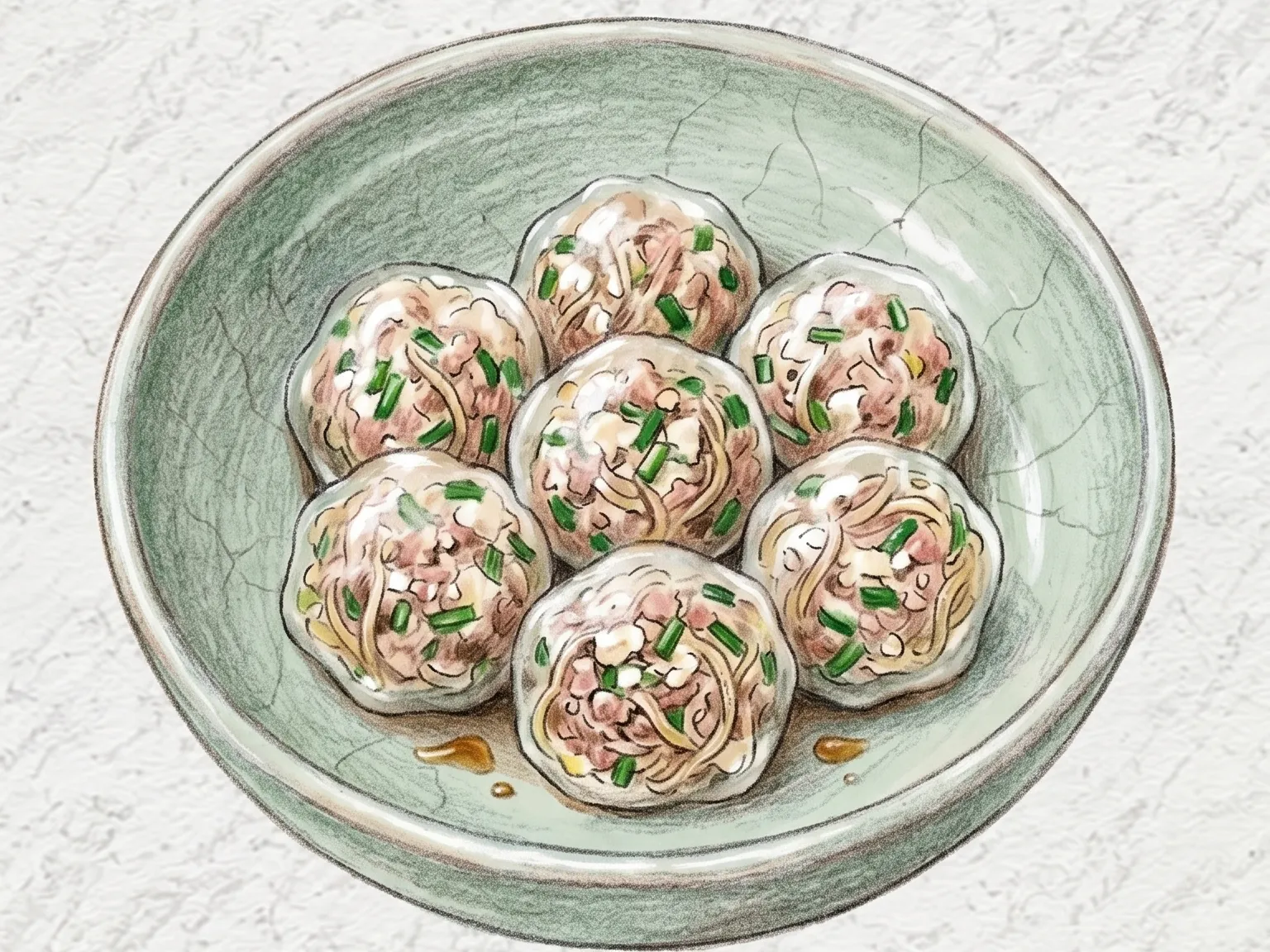
Boiled sweet potato noodles, minced chives, and chopped cabbage are spread thinly inside dumpling wrappers, folded in half, and pan-fried flat until both sides are evenly crisp, in the style of Daegu street food. Using minimal filling is key to achieving the characteristic thin, flat shape that defines this dumpling, and a properly preheated pan ensures uniform crispness on both sides. The standard accompaniment is a tangy-spicy dipping sauce of soy sauce, vinegar, red pepper flakes, and sesame oil. Simple in construction but sharp in flavor balance, this is the dumpling that put Daegu's street food culture on the map.

🧒 Kid-Friendly 🌙 Late Night
Prep 25min Cook 15min 4 servings
Korean Stir-Fried Fish Cake Strips
Street food Easy

Korean Stir-Fried Fish Cake Strips

Flat fish cake is sliced into strips and quickly stir-fried with red pepper flakes, soy sauce, sugar, and minced garlic in a hot pan. Blanching the fish cake beforehand removes surface oil so the seasoning adheres more cleanly, and a final toss with sesame oil and sesame seeds brings a nutty fragrance. Despite the short ingredient list and fast cook time, the balance between sweet and spicy is well defined.

🌙 Late Night ⚡ Quick
Prep 10min Cook 10min 2 servings
Korean Fried Squid
Street food Medium

Korean Fried Squid

Cleaned squid is cut into 1 cm rings, dipped in a light batter of frying mix, cold water, and egg, then deep-fried at 170 degrees Celsius for three to four minutes until golden and crisp. Cold water is essential for the batter -- warm water activates the gluten in the flour and produces a thick, doughy coating instead of the thin, shatter-crisp shell this dish depends on. The batter should be mixed just enough to combine, leaving a few lumps intact, because those uneven patches fry up with irregular texture that adds to the crunch. Scoring the squid rings lightly with a knife or pounding them briefly helps them stay flat and allows the batter to adhere without sliding off. Frying in small batches matters, since crowding the pan drops the oil temperature and causes the rings to absorb fat rather than fry. The defining quality of this dish is the contrast between the springy, chewy squid and the airy, crisp coating that surrounds it, a contrast that only exists in the first few minutes after frying. Served with a pinch of salt or a soy-vinegar dipping sauce, these rings are a fixture at street food stalls and snack shops across Korea.

🧒 Kid-Friendly 🏠 Everyday
Prep 15min Cook 10min 2 servings