Soups
Soups

Soups Recipes

169 recipes. Page 3 of 8

Soups and broths are the backbone of a Korean meal, served alongside rice at nearly every table. From clear seaweed soup (miyeokguk) to rich ox-bone broth (gomtang) and spicy beef soup (yukgaejang), the variety is enormous. Each season brings its own favorites - chilled soups in summer and piping-hot stews in winter.

The secret to a great Korean soup lies in building a flavorful stock from anchovies, kelp, or beef bones. This collection covers classic and modern soup recipes you can recreate at home.

Korean Young Napa Soybean Paste Soup
Soups Easy

Korean Young Napa Soybean Paste Soup

Eolgari doenjang-guk is a soybean paste soup that uses rice-rinse water as its base liquid rather than plain water. The starch left in the rinse water tempers the sharpness of doenjang, softening the broth and adding a mild, rounded sweetness that plain water cannot replicate. Young napa cabbage is added near the end of cooking, just long enough to wilt slightly while retaining its fresh, lightly grassy flavor and a faint crunch. Anchovy powder is stirred in early to establish a quiet savory foundation, while a sliced cheongyang chili introduces a gentle, building heat that lingers on the finish. A finishing handful of sliced green onion adds aroma and rounds out the bowl, producing a broth that is simultaneously simple and satisfying alongside steamed rice.

🏠 Everyday 🥗 Light & Healthy
Prep 15min Cook 25min 4 servings
Korean Young Napa Beef Soup
Soups Medium

Korean Young Napa Beef Soup

This Korean soup begins by blanching young napa cabbage leaves, then thoroughly tossing them with doenjang, gochujang, dried chili flakes, and minced garlic before any liquid is added. Pre-seasoning the greens is the foundational technique: the paste coats every surface of the cabbage and later dissolves into the broth, giving the soup a fermented, layered depth that simply adding the condiments to the pot cannot replicate. The beef component is handled separately - simmered in water from cold, skimmed clean of foam, and left to cook for fifteen minutes until a clear, savory stock develops. Once the stock is ready, the pre-seasoned greens are added and the pot returns to a gentle boil for twelve minutes, long enough for the beef umami to saturate the cabbage fibers. Soup soy sauce provides the final salt adjustment, and sliced green onion goes in last, contributing a sharp, fresh lift that cuts through the dense, earthy base of the broth.

🏠 Everyday 🥗 Light & Healthy
Prep 20min Cook 35min 4 servings
Eomuk-guk (Fish Cake Radish Clear Soup)
Soups Easy

Eomuk-guk (Fish Cake Radish Clear Soup)

Eomuk-guk is a straightforward Korean soup centered around fish cakes and a base liquid prepared by simmering sliced radish. The initial step involves boiling the radish in water for a sufficient duration so that it releases a mild, natural sweetness into the broth while the liquid itself takes on a slightly translucent appearance. Depending on individual preference, the radish can be taken out of the pot or left in as part of the final dish. Once the base is ready, pieces of fish cake are added to the boiling liquid along with soup soy sauce and minced garlic. The mixture then simmers for approximately six minutes, a period during which the fish cakes soften and absorb the saltiness of the soy sauce while simultaneously contributing their own flavor back into the soup base. To finish the preparation, thinly sliced green onions and a sprinkle of black pepper are stirred in. These final additions provide a sharp fragrance and a gentle heat that helps recreate the specific taste found at traditional Korean snack bars and street food carts. The entire cooking procedure is completed in about twenty minutes. Because the required ingredients are minimal and often staples, this recipe serves as a practical option for times when there are few groceries available in the kitchen. This makes the dish accessible even when the refrigerator is nearly empty and only basic pantry items remain.

🏠 Everyday 🥗 Light & Healthy
Prep 10min Cook 20min 2 servings
Korean Spicy Freshwater Fish Soup
Soups Hard

Korean Spicy Freshwater Fish Soup

Eotang is a traditional Korean soup from the Chungcheong region, made by boiling whole freshwater fish for over forty minutes to coax a thick, deeply savory broth from both flesh and bone. The stock is strained twice through a fine sieve to remove every small bone, then returned to heat with radish, doenjang, and minced garlic for another twenty minutes of simmering. The earthy, nutty richness of freshwater fish blends with fermented soybean paste to build a broth of layered depth, and the radish softens fully over the long cook, helping the liquid take on a slightly silky body. Red chili flakes and thick-cut green onion stirred in at the end sharpen the heat and amplify the savory undercurrent of the broth. The preparation takes time and attention, but the dense, bone-drawn concentration of flavor the process produces is difficult to achieve any other way.

🏠 Everyday 🎉 Special Occasion
Prep 30min Cook 80min 2 servings
Korean Flounder Seaweed Soup
Soups Easy

Korean Flounder Seaweed Soup

Gajami miyeok-guk is a seaweed soup built around a whole flounder simmered directly in the pot. Rehydrated miyeok is stir-fried in sesame oil before the liquid is added, a step that transforms the raw seaweed fragrance into something richer and more rounded. Once the flounder is added and the pot comes to a simmer, the mild, subtly sweet flesh of the white fish slowly infuses the broth, while the collagen released from the bones gives the soup a quiet viscosity and depth that water alone cannot produce. Soy sauce and garlic are the only seasonings needed, allowing the natural flavor of the fish and seaweed to carry the soup without interference. Blanching the flounder briefly in boiling water before adding it to the pot draws out blood and removes any trace of fishiness, resulting in a cleaner, more delicate broth. Along the East Sea coast, gajami miyeok-guk has traditionally been served as postpartum recovery food in place of the more common beef seaweed soup, valued for its lightness, digestibility, and the clean nourishment provided by the fish broth.

🏠 Everyday 🥗 Light & Healthy
Prep 20min Cook 20min 2 servings
Korean Braised Short Ribs
Soups Hard

Korean Braised Short Ribs

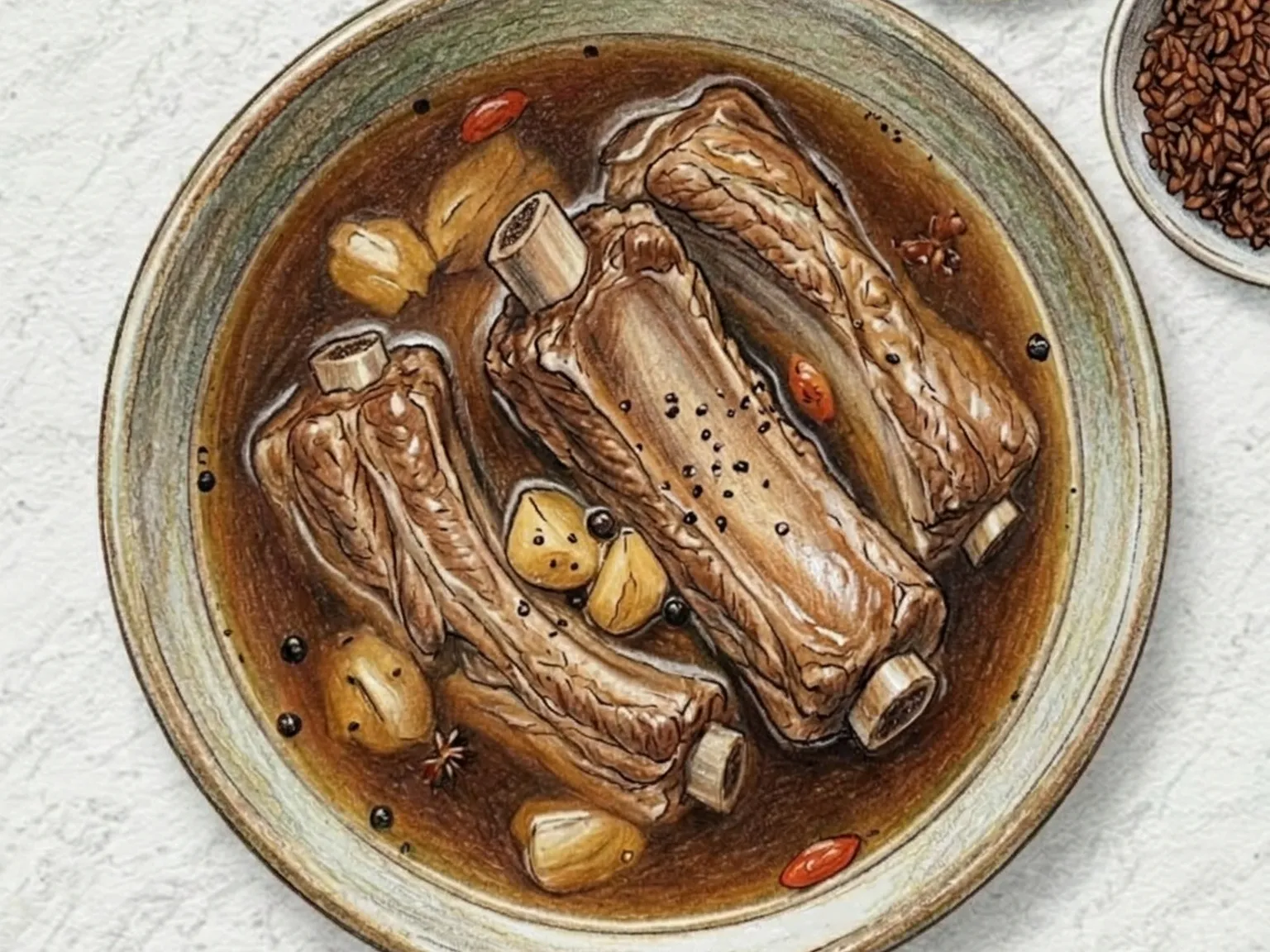
Galbi-jjim is one of Korea's most celebrated braised dishes, built around thick-cut beef short ribs that simmer for well over an hour in a deeply seasoned liquid of soy sauce, Asian pear juice, sugar, garlic, and sesame oil. Before braising, the ribs are soaked in cold water to purge the blood, then briefly blanched in boiling water to remove impurities; skipping either step results in a cloudy, less refined sauce. The long, low cook breaks down the collagen in the connective tissue until the meat offers no resistance, sliding off the bone with the lightest pull. As the liquid reduces it clings to each rib in a thick, glossy dark-brown glaze that is simultaneously sweet, salty, and intensely savory. Daikon radish and carrot chunks absorb the braising liquid and soften into something almost buttery, becoming a substantial side dish in their own right. Chestnuts and jujubes, traditionally added for Chuseok and Lunar New Year celebrations, lend a gentle sweetness and lift the visual festivity of the platter. A single spoonful of the finished sauce over plain steamed rice is enough to make an entire bowl disappear.

🏠 Everyday 🎉 Special Occasion
Prep 30min Cook 60min 4 servings
Galbitang (Clear Korean Beef Short Rib Soup)
Soups Medium

Galbitang (Clear Korean Beef Short Rib Soup)

Galbitang is a clear Korean soup built from long-simmered beef short ribs, extracting a deep, clean beef flavor without the milky opacity of seolleongtang or gomtang. Before cooking, the ribs are soaked in cold water for one to two hours to draw out blood, which is what allows the finished broth to stay clear and free of off-flavors. The radish goes in from the beginning, slowly releasing a gentle sweetness as it absorbs the surrounding broth and becomes fully saturated with beef flavor. The ribs need time - the measure of doneness is the meat sliding cleanly off the bone with minimal pressure from chopsticks. Unlike bone-based broths that turn white from emulsified collagen and fat, galbitang remains translucent because the fat from the rib meat dissolves more gently, leaving a subtle richness rather than heaviness. Seasoning is deliberately restrained, using only salt and white pepper at the table so nothing interferes with the honest taste of the beef. Garnishes of sliced egg crepe and green onion add color and a fresh note. The soup is served year-round in Korean restaurants, always arriving steaming hot alongside a bowl of plain rice.

🏠 Everyday 🎉 Special Occasion
Prep 60min Cook 120min 4 servings
Korean Short Rib and Octopus Soup
Soups Hard

Korean Short Rib and Octopus Soup

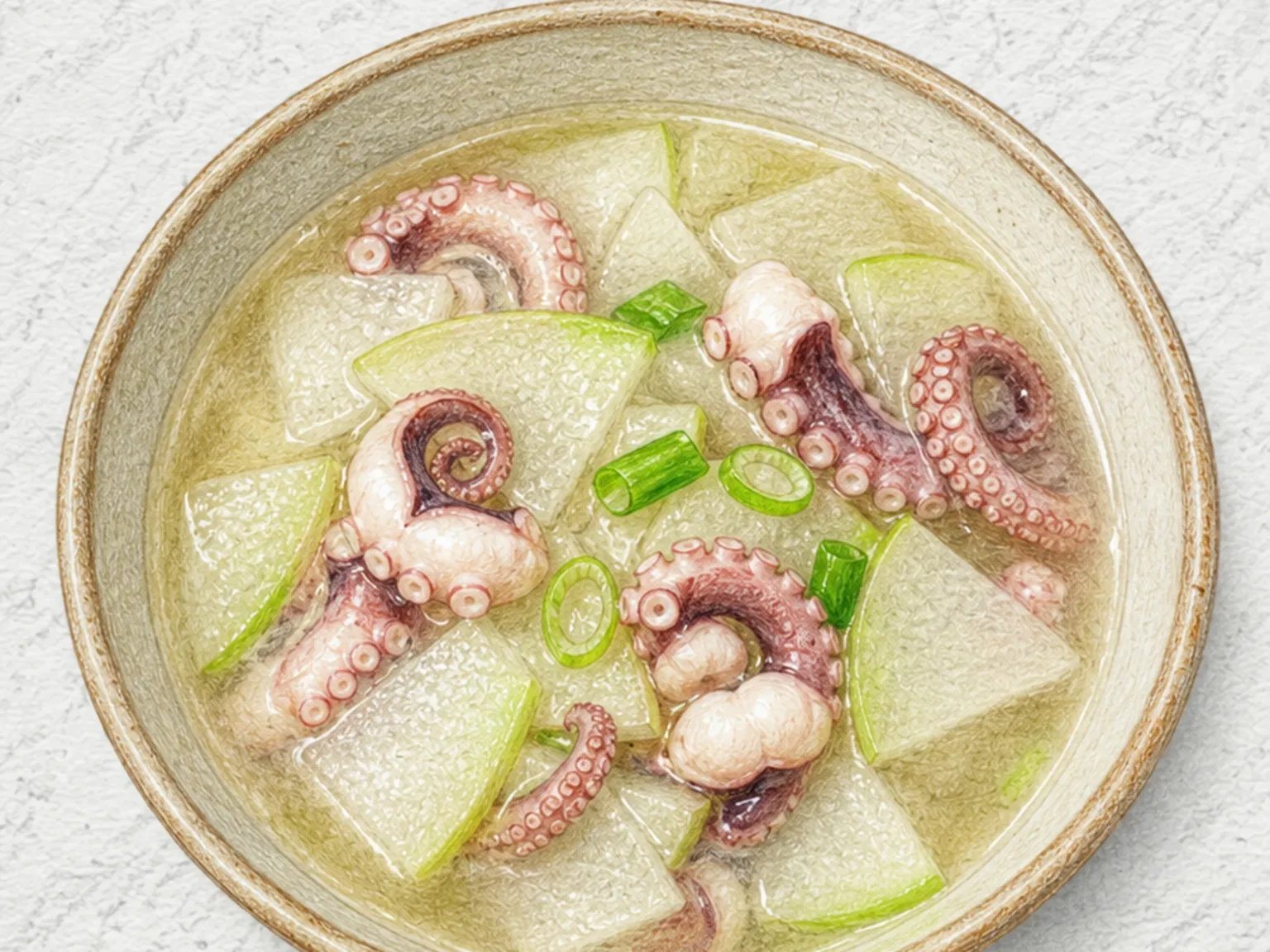
Galnak-tang is a Korean restorative soup that combines beef short ribs and fresh octopus in the same pot, producing a broth that carries two distinct umami registers simultaneously. The ribs are simmered first until tender and the initial cooking water is discarded along with the rendered fat, leaving a cleaner base for the second round of simmering. Radish goes in early alongside the ribs, gently sweetening the broth while absorbing some of the beefy richness so that the seafood flavor added later can come through more clearly. Octopus is added only at the end and needs no more than two to three minutes in the hot broth. Any longer and the texture turns rubbery, losing the springy bite that makes octopus worth eating. As the octopus cooks, its juices release into the soup and merge with the beef stock, blending the fatty depth of braised meat with the clean, mineral brightness of the sea. A small amount of gochugaru added near the end gives the broth a mild heat that cuts through the richness without overwhelming either protein. In Korean food culture, this soup belongs to the category of stamina dishes called boyangsik, traditionally sought out during the three hottest days of summer, after illness, or the morning following a night of drinking.

🏠 Everyday 🎉 Special Occasion
Prep 30min Cook 80min 4 servings
Korean Potato Perilla Seed Soup
Soups Easy

Korean Potato Perilla Seed Soup

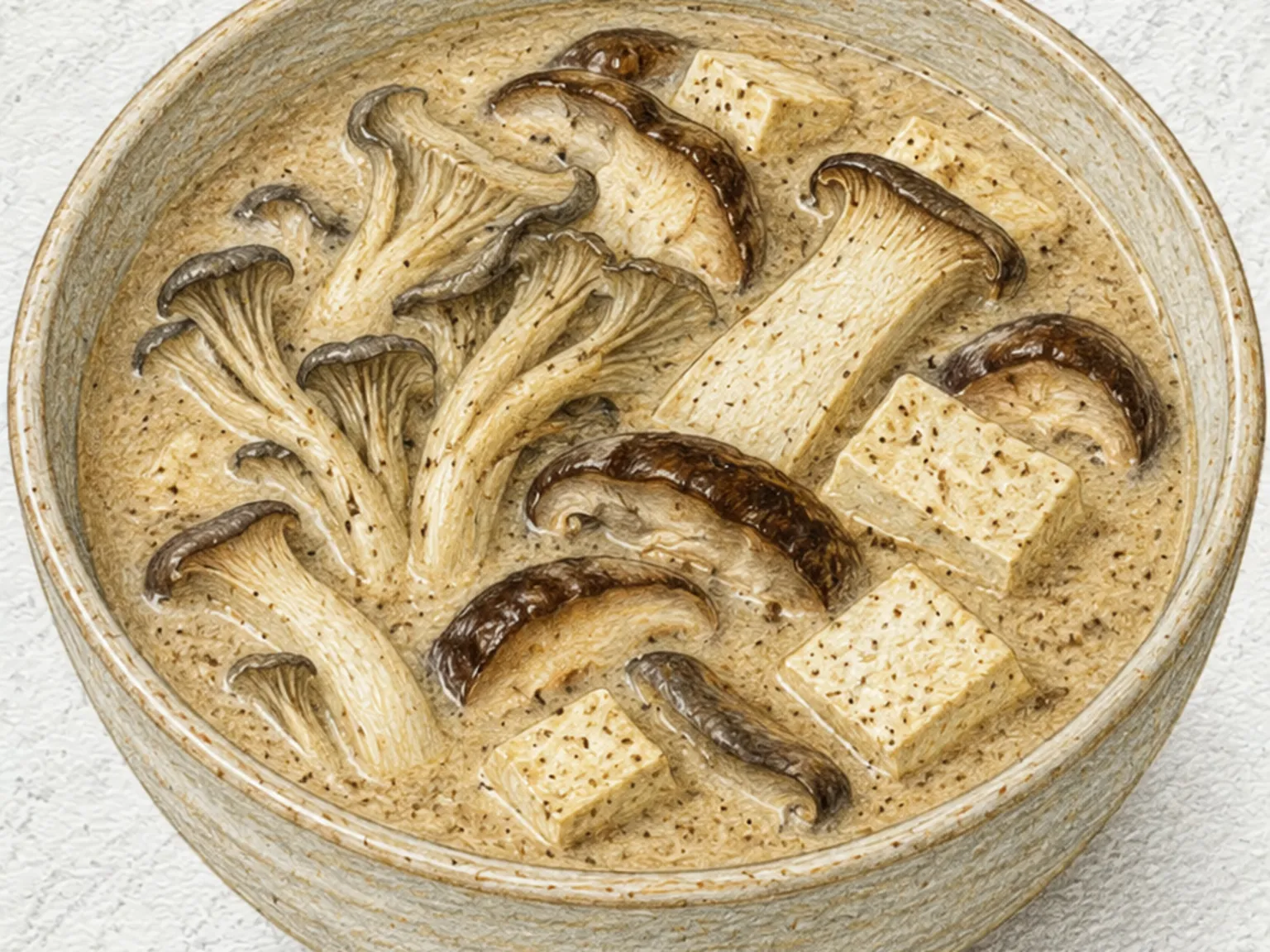
Gamja-deulkkae-guk is a Korean home soup of potatoes and ground perilla seed simmered in anchovy stock. The potatoes go in first and cook until they begin to fall apart, releasing their starch into the liquid and giving the broth a natural, gentle thickness. Ground perilla seed is stirred in toward the end of cooking, turning the clear stock opaque and white and filling the pot with a toasty, earthy fragrance that is distinctive to perilla. The flavor sits in its own space: it has none of the fermented depth of doenjang soup and none of the oceanic quality of miyeok-guk, but the perilla leaves a long, nutty finish that builds with each spoonful rather than fading immediately. Soup soy sauce brings the seasoning together, and onion and green onion laid in at the start provide a background sweetness that keeps the broth from tasting flat. The texture is thick and warming without being heavy or greasy. This is a soup that rarely appears on restaurant menus but comes up frequently on home dinner tables during the cold months, the kind of everyday dish that fits naturally into a simple meal.

🏠 Everyday
Prep 10min Cook 20min 2 servings
Gamja Jogae-guk (Potato Manila Clam Soup)
Soups Easy

Gamja Jogae-guk (Potato Manila Clam Soup)

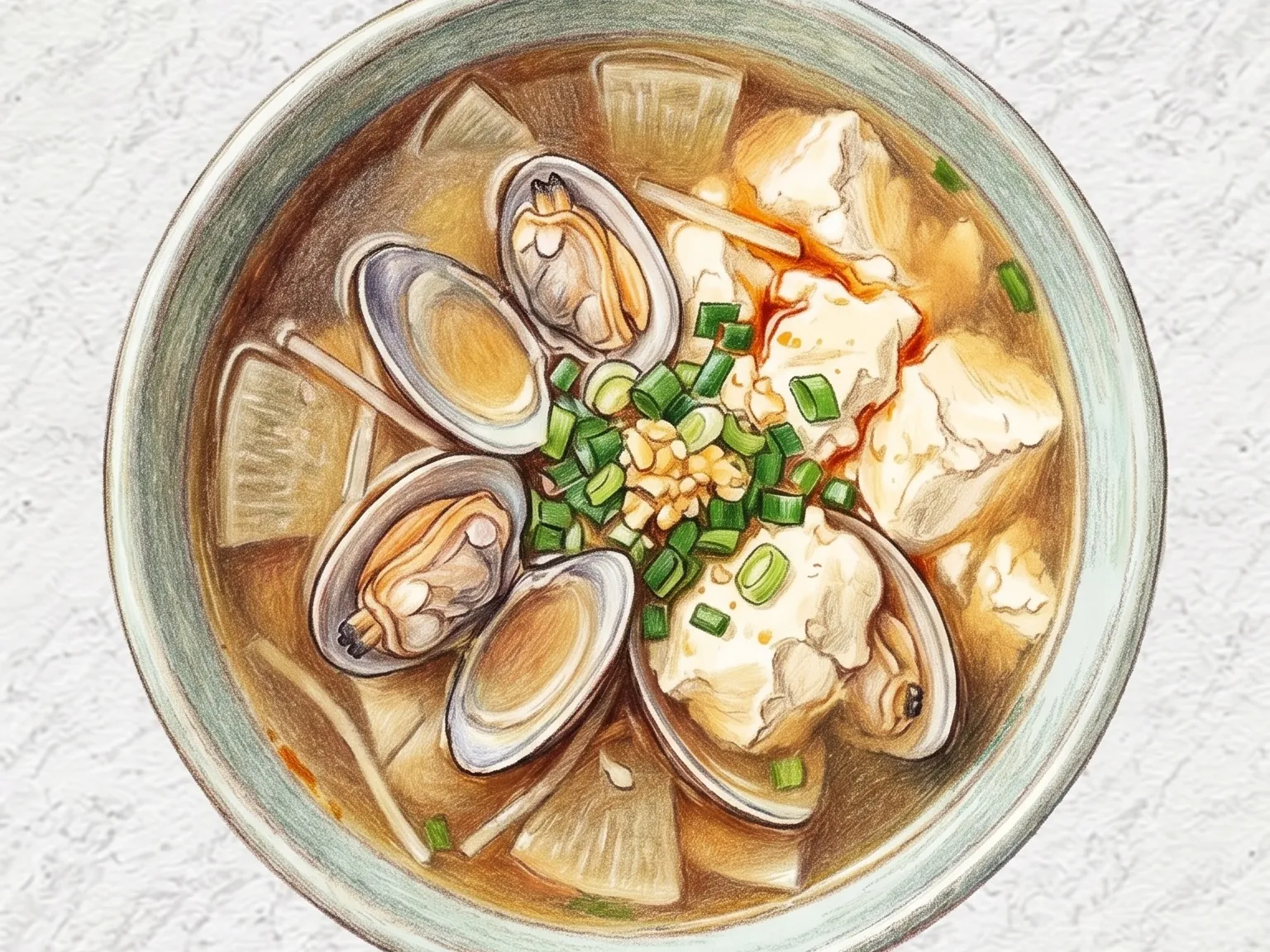
Gamja jogae guk is a clear Korean soup that brings together the briny, umami-rich depth of manila clams and the gentle softness of potato in a light, unpretentious broth. The clams are purged of sand first, then added to a pot with potato cut into thin, flat slabs and sliced onion. As the clams open, they release a natural shellfish liquor that seasons the water without any additional stock, giving the broth a quiet but genuine depth. The potato slices cook down gradually, releasing a slight starchiness into the liquid that softens the broth's texture compared to a pure seafood soup. The moment the clams open is the cue to lower the heat, since leaving them in a boiling pot turns the flesh rubbery. Soup soy sauce adjusts the salt level without darkening the clear broth, and sliced green onion scattered over the top at the end adds a clean, grassy note. Despite having only a handful of ingredients and taking fewer than twenty minutes from start to finish, the pairing of clam and potato builds a layered, refreshing flavor that makes this one of the more satisfying simple soups in everyday Korean cooking.

🏠 Everyday 🥗 Light & Healthy
Prep 15min Cook 20min 2 servings
Korean Potato Hand-Torn Dough Soup
Soups Medium

Korean Potato Hand-Torn Dough Soup

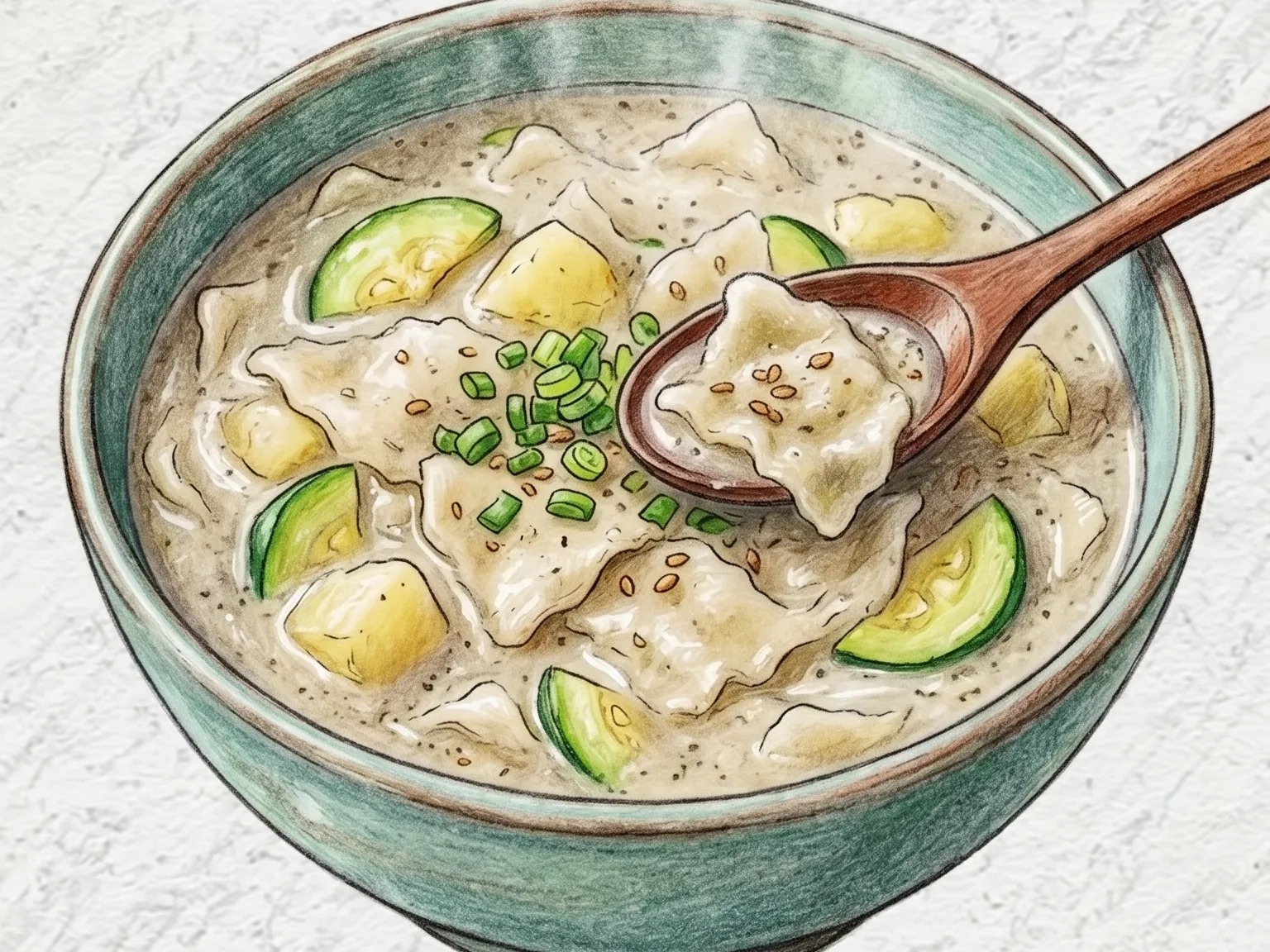
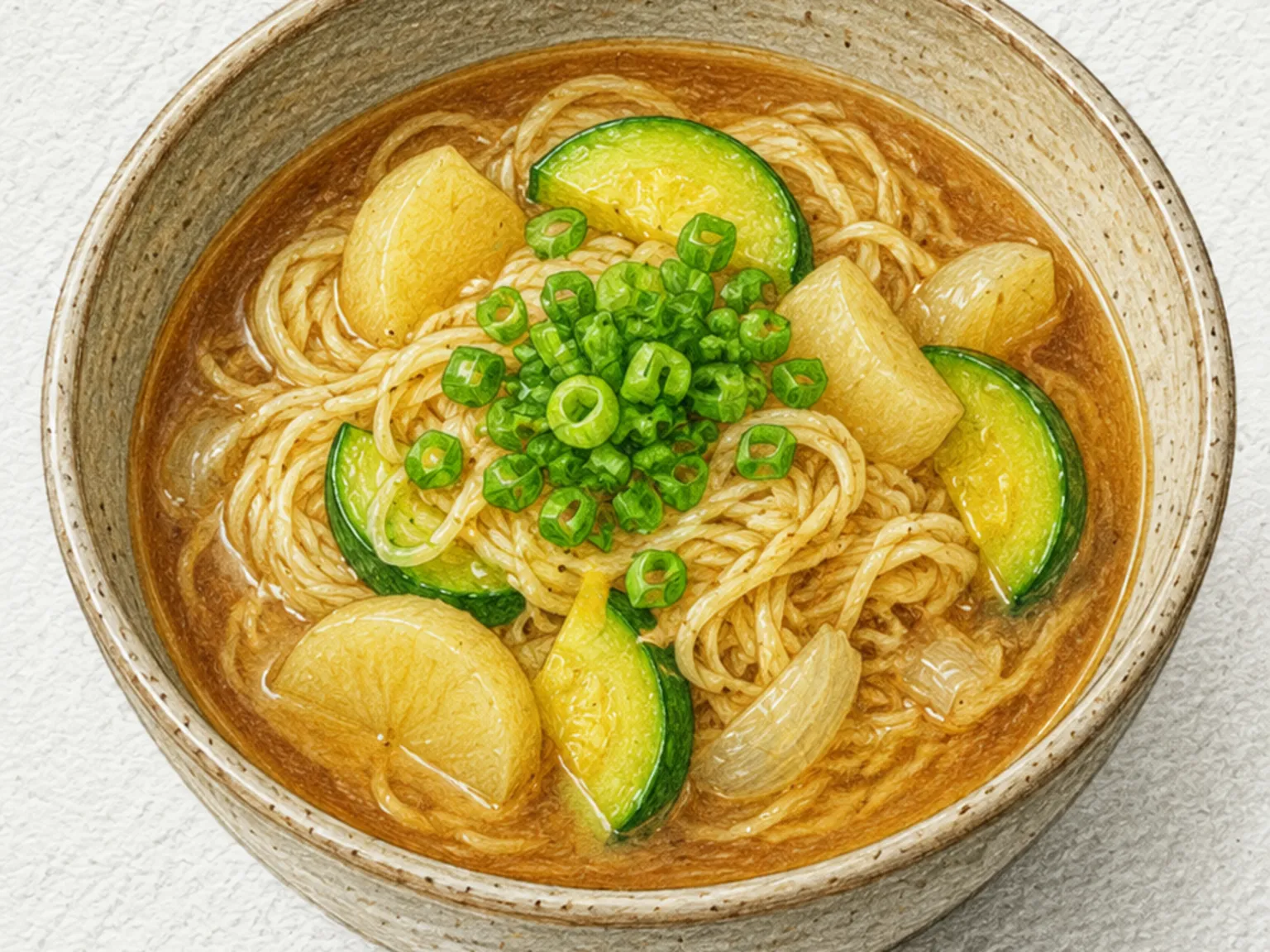
Gamja sujebi-guk is a Korean hand-torn dough soup in which pieces of wheat dough are pinched off and dropped into a simmering anchovy and kelp broth alongside potato and zucchini. The dough must be kneaded until it reaches the soft, elastic consistency of an earlobe - mixing to that point develops enough gluten to make the dough extensible and pliable, so that when pinched off it stretches thin rather than tearing in thick clumps. Resting the dough in the refrigerator for at least thirty minutes relaxes the gluten and makes it even more cooperative during tearing. When the dough is pulled apart, the technique matters: pressing the edges thin between the thumbs before tearing creates an irregular piece that is thick in the center and thin at the edges, so a single piece offers both the chewy resistance of the thick core and the delicate, almost noodle-like texture of the thin perimeter in the same bite. As the potatoes cook through and begin to soften, they release starch directly into the broth, building a naturally thickened, slightly viscous body without any roux or added thickener. Zucchini contributes mild sweetness and a soft texture that contrasts with the dense dough pieces. Soup soy sauce provides seasoning while keeping the broth's color clear and pale. Sliced green onion and cheongyang chili stirred in toward the end add depth and a gentle heat. A shower of roasted seaweed flakes on top finishes the bowl with a nutty, oceanic note.

🏠 Everyday
Prep 20min Cook 25min 4 servings
Gamjaguk (Potato Doenjang Anchovy Soup)
Soups Easy

Gamjaguk (Potato Doenjang Anchovy Soup)

Gamjaguk is a clear, mild Korean soup built on a foundation of anchovy stock with potatoes as the main ingredient, seasoned with either doenjang or plain salt. As the potatoes cook through, they release starch gradually into the broth, giving it a subtle body that makes each spoonful feel substantial without turning the liquid cloudy. When doenjang is used, the fermented paste contributes a layered, earthy savoriness that wraps around the gentle sweetness of the potato. Seasoning with salt alone lets the potato's natural, unadorned flavor stand at the center without competition. Garlic and green onion are added as the aromatic base, providing a mild, savory fragrance that keeps the broth from tasting flat. A handful of zucchini slices added midway through cooking introduces a soft, yielding texture and a touch of pale green color. The potatoes need to be pulled from heat at the point when a chopstick slides through without resistance, because overcooking breaks them apart and muddies the broth. With only a few ingredients required, this soup comes together quickly even when the refrigerator is nearly empty, which is part of why it appears on Korean tables more consistently than almost any other soup.

🏠 Everyday 🥗 Light & Healthy
Prep 10min Cook 25min 3 servings
Korean Gangwon-Style Dried Pollock Hangover Soup
Soups Easy

Korean Gangwon-Style Dried Pollock Hangover Soup

This Gangwon-province version of dried pollock hangover soup starts by stir-frying shredded dried pollock in sesame oil until it turns deeply fragrant and golden. That step is what sets it apart from other regions' pollock soups. The toasted sesame aroma permeates the entire broth and adds a richness that plain boiling cannot achieve. Radish simmers alongside, contributing a clean sweetness that tempers any fishiness. Garlic and soup soy sauce provide the savory foundation. Near the end, a beaten egg is swirled into the pot, forming soft, silky ribbons that give the clear broth a comforting body. The soup is intentionally mild and free of chili heat, designed to be gentle on an empty or troubled stomach. Koreans have relied on this kind of bugeo-guk for morning-after recovery for generations, and the Gangwon-style sesame preparation is considered one of the most satisfying versions. If the stir-frying step is rushed, the sesame oil does not coat the fish thoroughly, so cooking the pollock strands over medium heat until they are evenly golden is what draws out the full depth of flavor into the broth.

🏠 Everyday 🥗 Light & Healthy
Prep 20min Cook 30min 4 servings
Korean Gangwon-Style Loach Soup
Soups Hard

Korean Gangwon-Style Loach Soup

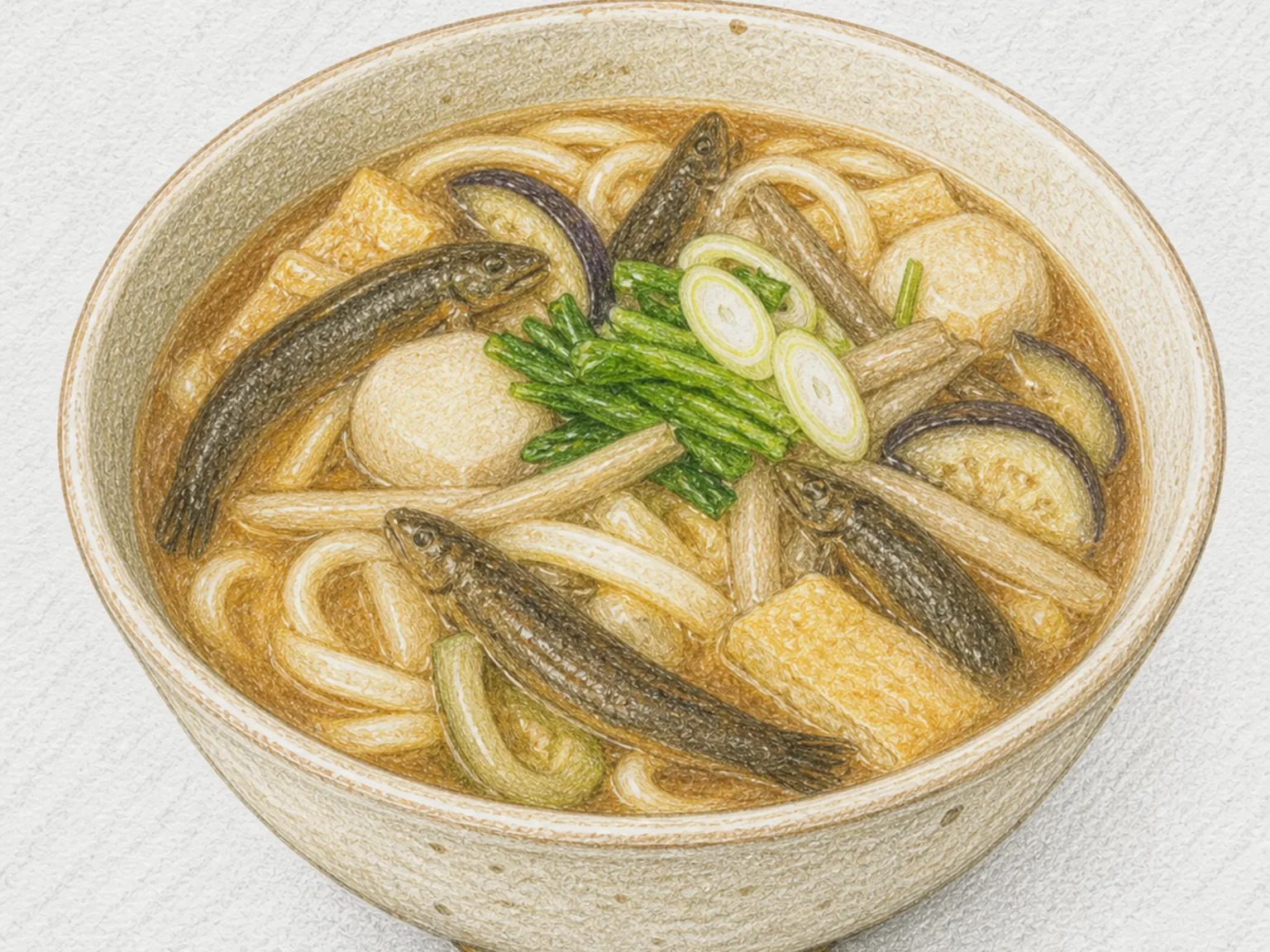
Gangwon-style chueotang is a thick, hearty loach soup in which the entire fish is boiled, blended smooth, and returned to the pot with ground perilla seeds and dried radish greens. Pulverizing the loach whole dissolves its small bones into the broth, creating a calcium-rich liquid with a distinctive earthy depth. Perilla seed powder transforms the soup into something creamy and nutty, far removed from a typical clear broth. Dried radish greens, rehydrated and chopped, provide a pleasantly chewy counterpoint to the thick liquid. Doenjang and gochugaru add fermented savoriness and gentle heat that deepen the overall flavor. Before blending, the loach should be soaked in salted water to purge any muddy taste, and the perilla powder is best stirred in after the soup reaches a boil so the nutty aroma does not cook off too quickly. The finished soup is dense and substantial, closer to a stew than a broth, and is traditionally eaten in autumn and winter as a stamina food. In the mountainous Gangwon province, chueotang holds a near-legendary status as a warming, restorative meal on the coldest days.

🏠 Everyday 🎉 Special Occasion
Prep 30min Cook 50min 4 servings
Korean Dried Shrimp Radish Soup
Soups Easy

Korean Dried Shrimp Radish Soup

Geon-saeu-muguk is a clear Korean soup that pulls deep flavor from two inexpensive ingredients: dried shrimp and Korean radish. The dried shrimp are toasted in sesame oil before any water is added. This step is not cosmetic. As the shrimp heat up, their moisture evaporates and the concentrated briny sweetness intensifies and bonds with the oil, releasing a fragrant, almost caramelized seafood aroma that becomes the backbone of the entire broth. Without this toasting step, the soup tastes thin and flat. Radish slices go in after the shrimp, simmering in the water until translucent and releasing a gentle natural sweetness that rounds out the saltiness of the shrimp. Minced garlic and soup soy sauce are added for seasoning, and that is essentially all that is needed. No separate anchovy or kelp stock is required; the dried shrimp generate enough umami on their own to make the broth taste full and layered. Once the water comes to a boil, the soup is ready in under fifteen minutes, which makes it genuinely practical for weeknight cooking when time is short. Sliced green onion stirred in just before serving lifts the aroma and gives the bowl a fresh note to balance the deep, savory broth. Salt can substitute for the soup soy sauce if a cleaner-tasting liquid is preferred.

🏠 Everyday 🥗 Light & Healthy
Prep 10min Cook 20min 4 servings
Geundae-guk (Korean Swiss Chard Doenjang Soup with Tofu)
Soups Easy

Geundae-guk (Korean Swiss Chard Doenjang Soup with Tofu)

Geundae-guk is a homestyle Korean soup made by simmering Swiss chard leaves and stems in anchovy stock seasoned with doenjang. Swiss chard, called geundae in Korean, has broader leaves and thicker stalks than spinach, giving the soup a more substantial bite, and the greens' mild bitterness pairs naturally with the fermented depth of doenjang into an earthy, grounding flavor. Cubed tofu is typically added alongside for protein and a soft contrast to the chewy greens, while minced garlic rounds out the aroma of the broth. The entire cooking process takes barely ten minutes once the stock is boiling, making this one of the quickest doenjang soups in the Korean home-cooking repertoire. In Korean households, this soup appears most often in spring and autumn when fresh chard is in season, though frozen chard works through the rest of the year without significantly changing the flavor of the broth. Overcooking the greens after adding doenjang softens the leaves until they lose their texture, so pulling the pot off the heat three to four minutes after the paste dissolves preserves the chard's pleasant chew.

🏠 Everyday 🥗 Light & Healthy
Prep 10min Cook 15min 2 servings
Korean Spicy Blue Crab Soup
Soups Medium

Korean Spicy Blue Crab Soup

Ggotge-tang is a spicy Korean crab soup built around whole blue crabs that infuse the broth with a concentrated, briny seafood depth. The shells release their marine richness as they crack apart during simmering, forming the structural foundation of the pot. Doenjang dissolved into the broth adds fermented complexity, while gochugaru delivers a persistent heat that compounds with each spoonful. Radish chunks sweeten and clarify the liquid, and zucchini with green onion fill the bowl with color and contrasting texture. Before cooking, the crabs should be scrubbed clean under cold water and cleaned of their sand pouches and gills, which eliminates any off-flavors. Scoring the claws lightly with the back of a knife before the pot goes on the heat makes extracting the claw meat easier at the table. Female crabs in season carry bright orange roe inside the top shell that dissolves into the broth and intensifies its richness. The real reward at the end of the meal is mixing leftover rice directly into the crab's top shell with the residual roe and braising juices, a practice Korean diners regard as the true finish of the meal. Blue crab season peaks in spring and autumn.

🏠 Everyday 🥗 Light & Healthy
Prep 20min Cook 30min 4 servings
Korean Ginger Chicken Gomtang
Soups Medium

Korean Ginger Chicken Gomtang

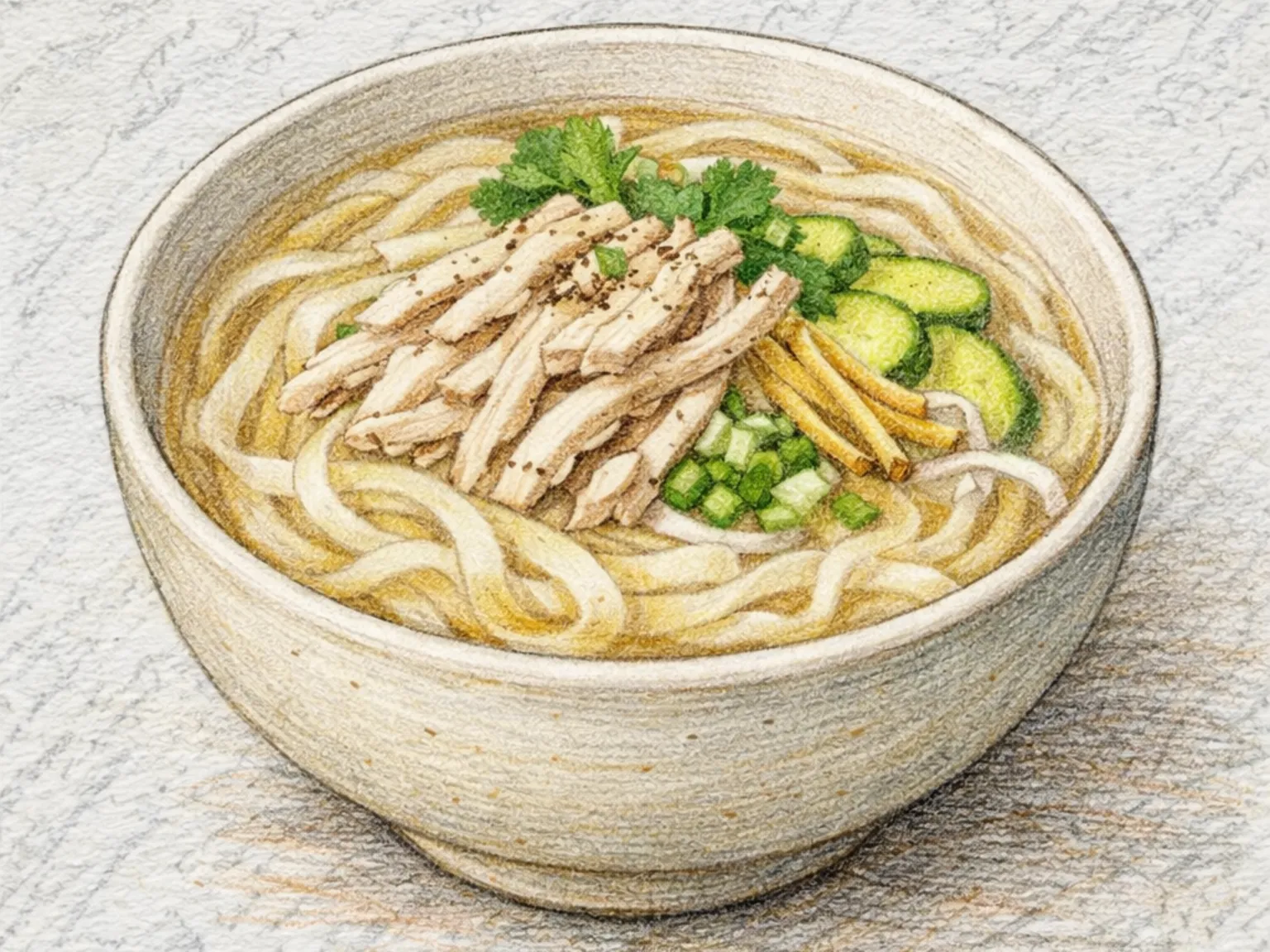
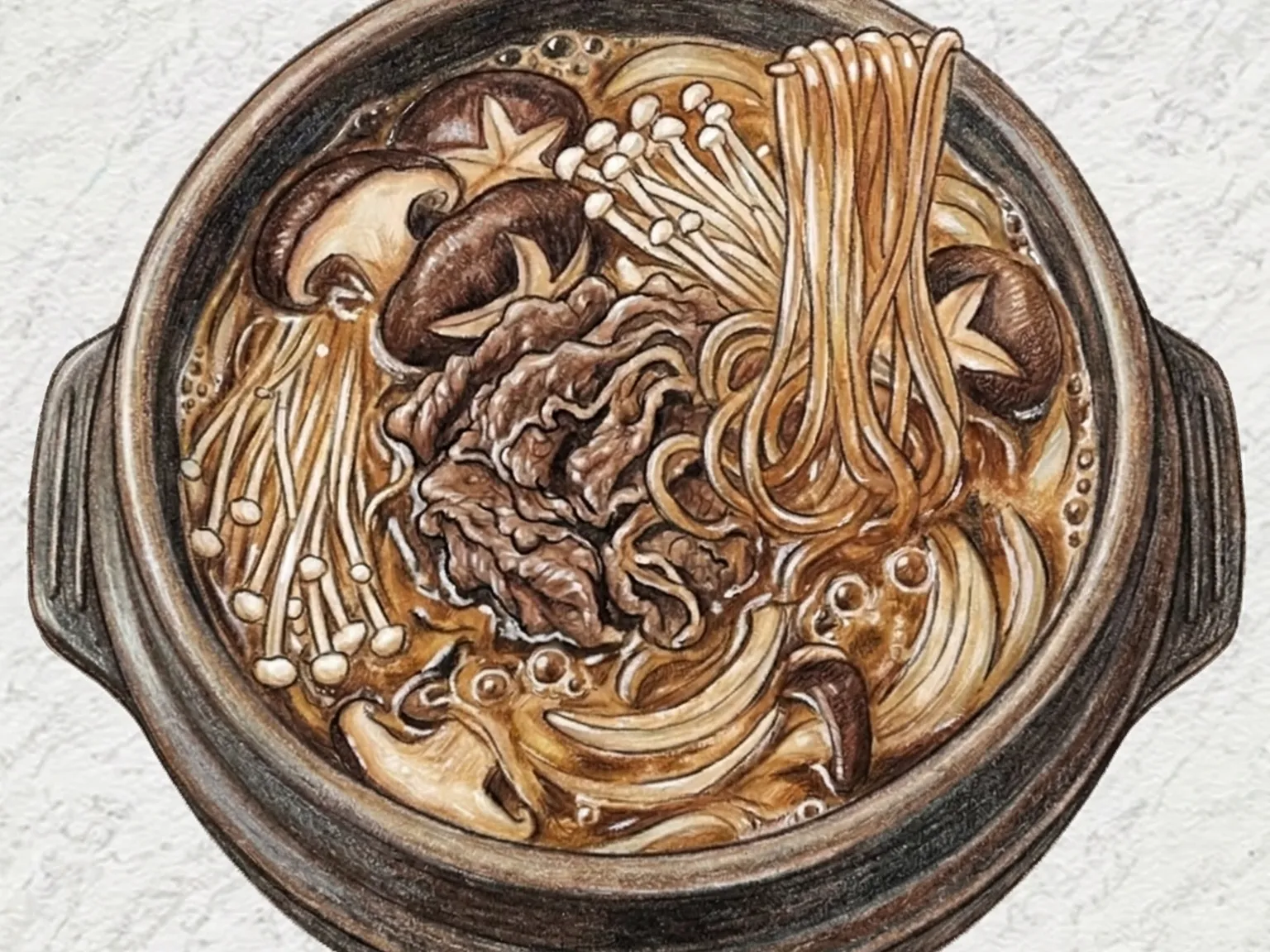
This ginger chicken gomtang is a clear, restorative Korean soup made by simmering a whole chicken low and slow with fresh ginger, onion, garlic, and green onion until the broth turns golden and develops a quietly complex flavor. Unlike beef-bone soups, which derive their richness from marrow and connective tissue, chicken gomtang achieves its depth through the prolonged extraction of collagen and gelatin from the bones and skin, resulting in a broth that coats the palate softly without feeling heavy. The ginger is added early so its sharp, warming oils can fully disperse through the liquid, while sliced onion gradually sweetens the broth as it cooks down. Once the broth is strained, it is remarkably clean-tasting despite its depth: a quality that Korean cooks describe as siwonhada, a coolness and clarity that settles the stomach while nourishing the body. The chicken is pulled from the bones and shredded along the grain into generous pieces before being returned to the bowl. Seasoning is kept minimal, a small pour of soup soy sauce, a pinch of salt, and a very generous amount of freshly cracked black pepper, whose heat amplifies the ginger and warms the whole dish. Korean households reach for this soup when someone is ill or recovering from fatigue, but it is equally at home as a restorative weekday dinner or a refined first course when served in small portions before a larger meal.

🏠 Everyday
Prep 20min Cook 70min 4 servings
Gomchi-guk (Eelpout Fish Radish Soup)
Soups Medium

Gomchi-guk (Eelpout Fish Radish Soup)

Gomchi-guk is an East Coast Korean fish soup centered on eelpout, a deep-sea fish prized for its exceptionally soft flesh and naturally high gelatin content. The fish is cut into sections and simmered with radish in plain water, producing a broth that appears simple but carries a clean marine richness and a subtly viscous body that comes entirely from the collagen dissolving out of the fish as it cooks. Radish absorbs and neutralizes the fishiness that might otherwise dominate the soup, while also contributing a gentle sweetness that keeps the broth tasting bright. A splash of cheongju rice wine is added early in cooking to eliminate any remaining off-notes, a standard technique for Korean fish soups. As the soup simmers, the eelpout flesh gradually separates and disperses into the liquid, blurring the boundary between solid and broth and making the soup feel satisfyingly unified rather than composed of distinct parts. Garlic and green onion provide the final layer of aromatics, and seasoning is kept simple with salt or a small measure of soup soy sauce. Gomchi-guk is a regional specialty most closely associated with the coastal towns of Gangwon Province and the North Gyeongsang coastline, where it is typically served bubbling hot in a stone pot through the winter months. Frozen eelpout is available outside its native region and produces a comparable result.

🏠 Everyday 🥗 Light & Healthy
Prep 20min Cook 25min 4 servings
Gomtang (Slow-Simmered Ox Bone Beef Soup)
Soups Hard

Gomtang (Slow-Simmered Ox Bone Beef Soup)

Gomtang is a Korean bone soup made by simmering beef leg bones and brisket in water for five to six hours or longer until the broth turns opaque and milky white. The prolonged cooking extracts collagen, marrow, and fat from the bones, giving the liquid a creamy texture and a deep beefy flavor that needs only salt and black pepper to taste complete. Before the long simmer begins, the bones should be soaked in cold water for at least an hour to draw out the blood, then parboiled briefly in a fresh pot of water and rinsed clean so that the final broth comes out clear and free of off flavors. The brisket is removed partway through cooking, sliced thin against the grain, and arranged on top of the steaming soup for serving. Sliced green onion and a generous shake of black pepper cut cleanly through the richness of the milky broth. The most common way to eat gomtang is with a bowl of steamed rice submerged directly into the soup, letting the grains soak up all the flavor. This is slow food in the truest sense - the hours of effort yield a pot that can sustain a family across two meals - and it remains one of the dishes Koreans reach for instinctively when the cold sets in.

🏠 Everyday 🎉 Special Occasion
Prep 60min Cook 360min 4 servings
Korean Bracken and Beef Soup
Soups Medium

Korean Bracken and Beef Soup

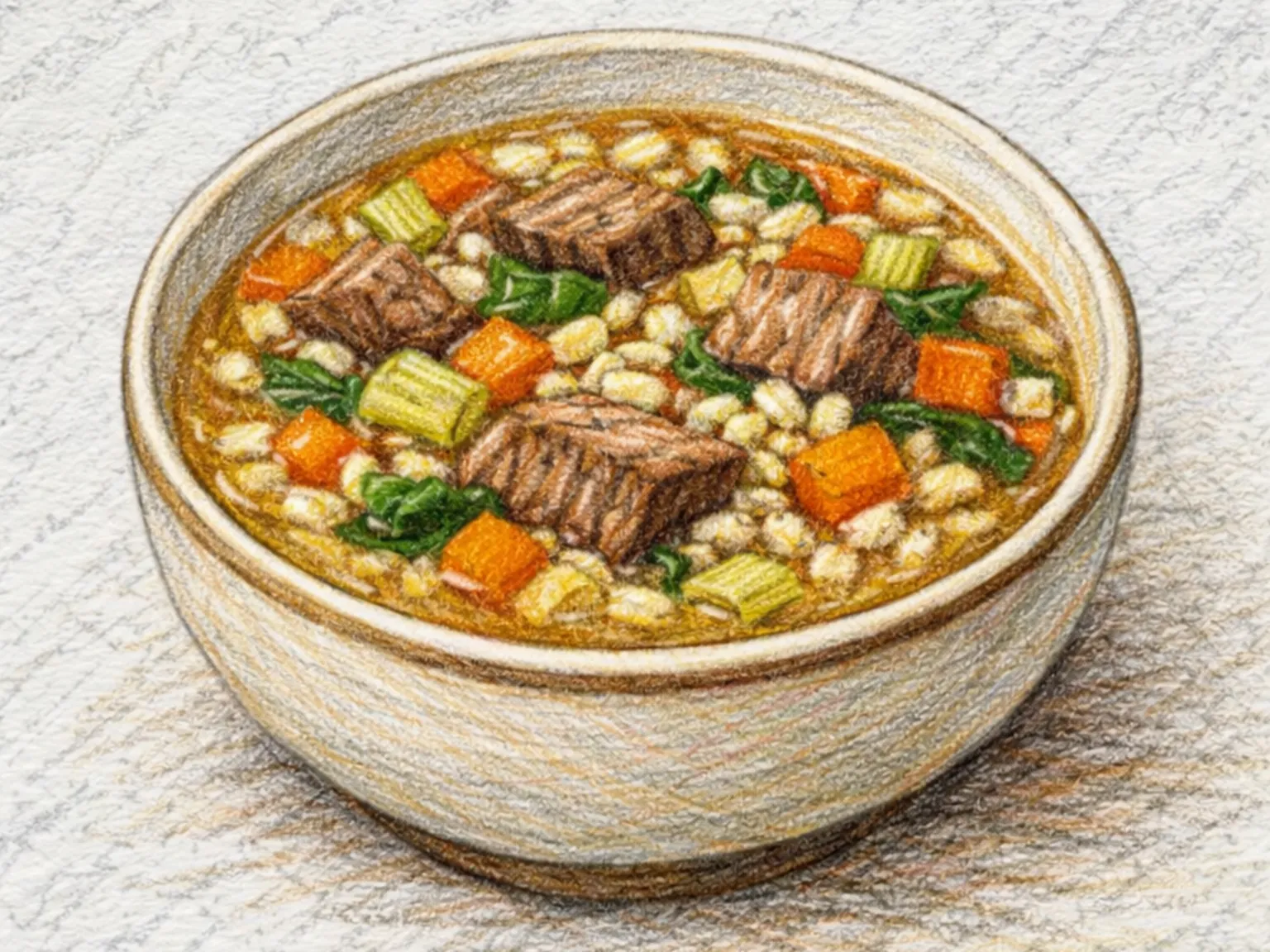
Gosari sogogi-guk is a hearty Korean soup made by first stir-frying rehydrated bracken fern with beef in sesame oil, then adding water and dissolving doenjang into the broth to simmer. The bracken - dried mountain fern that must be soaked overnight until fully pliable - keeps a distinctive chewy resilience even after long soaking and simmering, setting it apart from the softer vegetables found in most doenjang soups. This chewiness is a defining quality of the ingredient and one of the main reasons the soup is valued over simpler alternatives. The stir-frying step before liquid is added is what builds the soup's character: as the bracken and beef cook together in sesame oil, their flavors dissolve into the fat and create a layered, savory base that plain boiling in water cannot achieve. Doenjang is introduced midway through rather than at the start to prevent the salt level from becoming too concentrated during the long simmer - its fermented depth and rounded umami wrap around everything in the pot. Garlic and green onion refine the aroma and cut any residual earthiness from the bracken. This soup has deep ties to Korean holidays: bracken is one of the three classic namul vegetables prepared for ancestral rites at Chuseok and Lunar New Year, and it is customary to use leftover soaked bracken from holiday namul preparation in a pot of soup the following day. Cooked bracken also freezes well, so many households keep it on hand year-round. The combination of earthy bracken, soft beef, and fermented broth produces a warmth and depth that feels distinctively rooted in Korean culinary tradition.

🏠 Everyday 🥗 Light & Healthy
Prep 30min Cook 40min 4 servings
Gul Dubu-guk (Korean Oyster Tofu Soup Recipe)
Soups Easy

Gul Dubu-guk (Korean Oyster Tofu Soup Recipe)

Gul-dubu-guk is the oyster variation of Korean tofu soup, pairing plump seasonal oysters with soft tofu in a clear kelp-based broth. Unlike plain dubu-jangguk, this version is seafood-forward, with briny oyster aroma leading the bowl. Timing the oysters precisely is the central technique of the dish: they go in just before the broth reaches a full boil, and even a minute too long on the heat turns them tough and grainy. Large-cut tofu blocks absorb the shellfish-infused liquid as they simmer, carrying the briny depth of the oysters into each spoonful. Thinly sliced radish adds natural sweetness, while soup soy sauce and garlic keep the seasoning clean.

🏠 Everyday 🥗 Light & Healthy
Prep 15min Cook 15min 3 servings
Gul-guk (Clear Oyster Radish Soup)
Soups Easy

Gul-guk (Clear Oyster Radish Soup)

Gul-guk is a clear Korean oyster soup built on the simplest possible base: water, radish, and fresh winter oysters. Radish goes in first and simmers long enough to give the broth a clean, cool sweetness before the oysters are added near the end to keep them plump and springy. Seasoning is deliberately restrained; soup soy sauce and minced garlic are sufficient because the oysters themselves deliver an intense, briny depth that needs no reinforcement. The marine aroma of the oysters and the refreshing quality of the radish combine to produce a broth that is light in appearance but full in flavor. A bowl spooned over hot rice makes a restorative breakfast or hangover remedy, and along Korea's southern coast this soup is one of the most common preparations during the winter oyster harvest.

🏠 Everyday 🥗 Light & Healthy
Prep 15min Cook 20min 2 servings
Korean Oyster Seaweed Soup
Soups Easy

Korean Oyster Seaweed Soup

Gul-miyeok-guk is a Korean seaweed soup with fresh oysters, traditionally served for postpartum recovery and birthday meals. The dish begins by sauteing rehydrated seaweed and oysters together in sesame oil, which coats every strand and shell in a nutty fragrance before water is added. As the soup simmers, the seaweed releases minerals and a subtle brininess that merges with the deep ocean flavor the oysters contribute. Soup soy sauce and minced garlic keep the seasoning clean and grounded without masking the seafood. Oysters reach their peak fat and sweetness between November and January, and using them during this season noticeably enriches the broth with a creamy, briny depth. The seaweed should be sauteed for no more than one or two minutes with the oysters to keep it tender rather than chewy before the water goes in.

🏠 Everyday 🥗 Light & Healthy
Prep 15min Cook 20min 4 servings